✨ Featured Products


How To Do Gold Foil Printing? DIY Metallic Print Guide
How To Do Gold Foil Printing? DIY Metallic Print Guide
Gold foil printing has become a cornerstone for premium printing businesses in India. Whether you are producing wedding invitations in Secunderabad or corporate certificates in Delhi, mastering the laser reactive foiling process is essential for high-quality output. This guide details the exact technical settings and materials required to produce flawless metallic prints using professional-grade equipment from AbhishekID.com.
Before you start
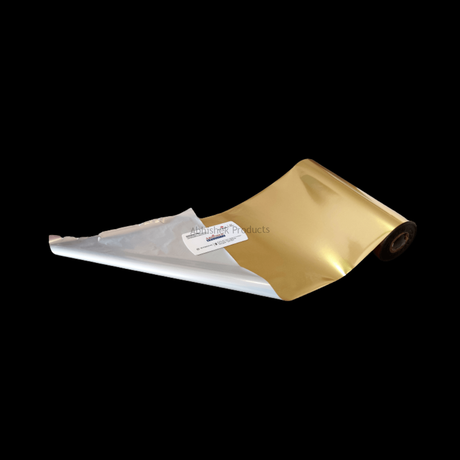
The process of gold printing involves transferring a metallic layer from a foil roll onto a laser-printed surface using heat and pressure. This is known as laser reactive foiling. Unlike traditional die-stamping, this method does not require expensive plates, making it highly cost-effective for small to medium print runs in the Indian market.
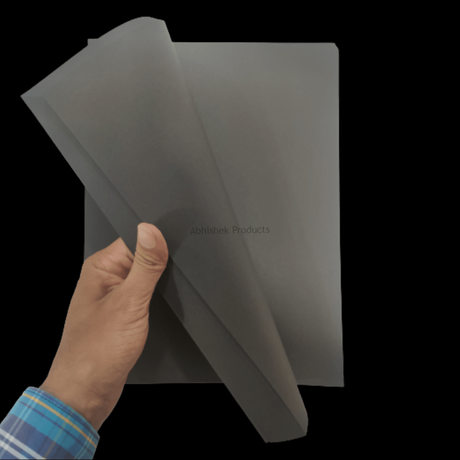
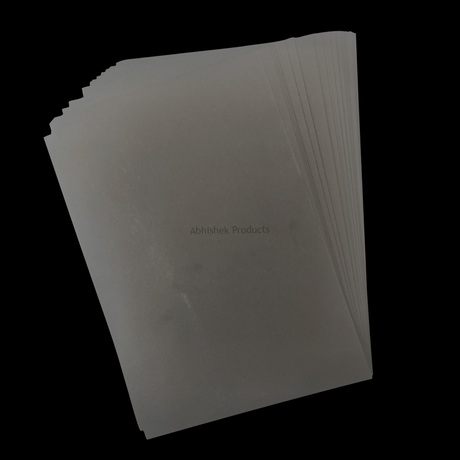
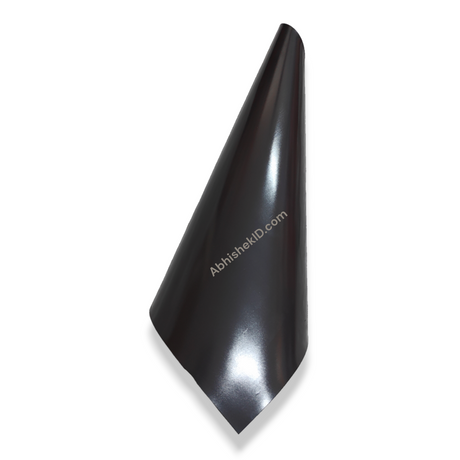
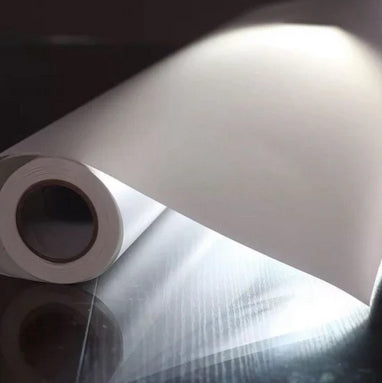
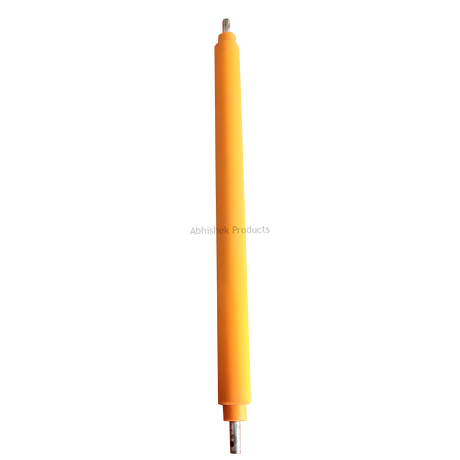
Gold printing works through a thermal-adhesive reaction. Laser toner is essentially a mix of plastic and pigment. When the Sankun machine applies 180°C heat, the plastic in the toner becomes tacky. The metallic foil has a heat-sensitive backing that releases the metal layer only when it reaches a specific temperature and comes into contact with the melted toner. Because the foil only reacts to the toner, the rest of the A4 Black Mamba Sheets 2 Side Laser Printable For Gold Foil Roll remains clean
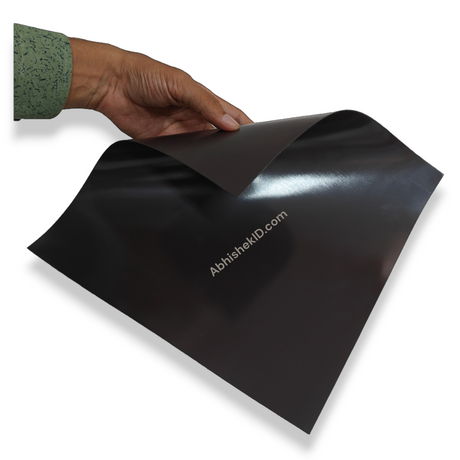
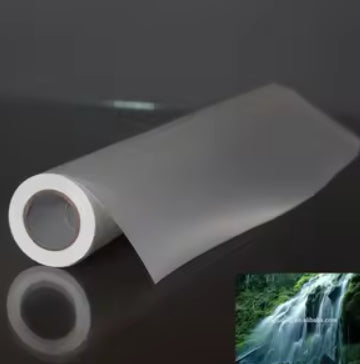
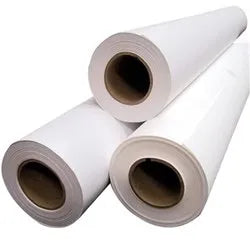
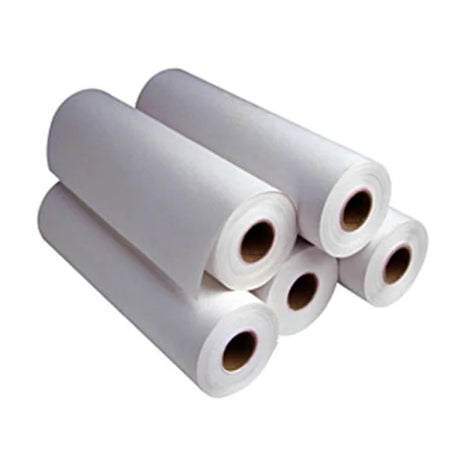
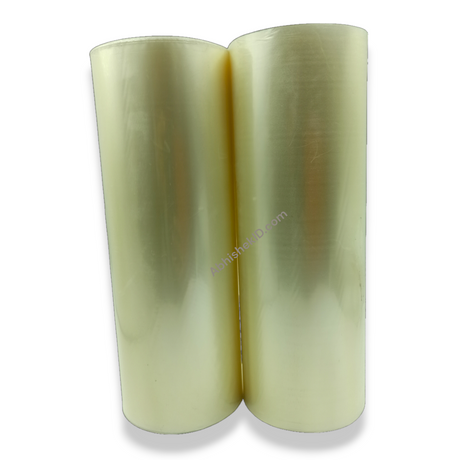
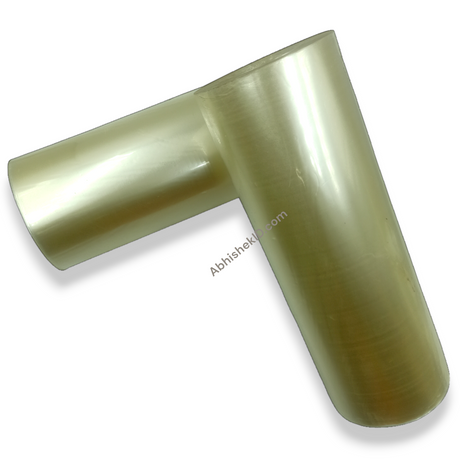
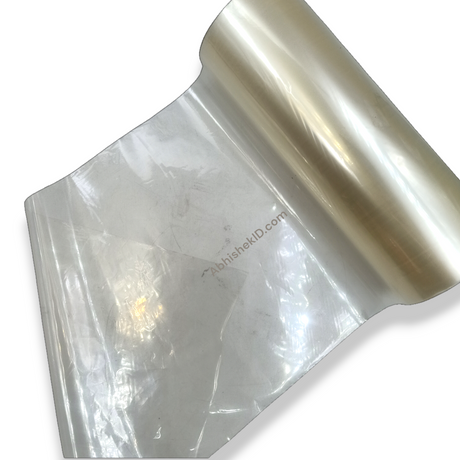
⚡ Fast Answers Summary You should set your machine to 180°C for optimal results. This temperature is high enough to melt the laser toner so it can bond with the metallic foil. Using a lower temperature may result in incomplete foil transfer, while a higher temperature might melt the foil's carrier sheet. The Sankun machine is recommended for its ability to maintain this high temperature consistently. A 4-roller machine is recommended because it provides superior pressure and heat distribution compared to 2-roller models. In the gold printing process, pressure is just as important as heat. The 4-roller system ensures the foil is pressed firmly into the toner, resulting in a smoother, more professional finish without gaps. No, you cannot use an inkjet printer for this specific foiling method. This process is laser-reactive, meaning it requires the plastic-based toner found in laser printers to act as an adhesive. Inkjet ink does not have the necessary properties to bond with the foil. The dummy waste paper acts as a protective shield for your machine and your project. It is placed on top of the foil and the printable sheet to create a sandwich. This prevents any excess foil from sticking to the rollers of the machine and helps distribute the heat evenly. The metallic foil rolls, including the gold, green, and pink variants, come in a standard size of 8.5 inches in width and 112 meters in length. This long length is specifically designed for commercial use in India, allowing print shops to handle bulk orders. Yes, the A4 Black Mamba Sheets are 2-side laser printable. This feature is particularly useful for creating high-end business cards or greeting cards where you want to apply gold foil designs to both the front and the back.Frequently Asked Questions