How is Gold Foiling Done on Wedding Cards?
How is Gold Foiling Done on Wedding Cards?
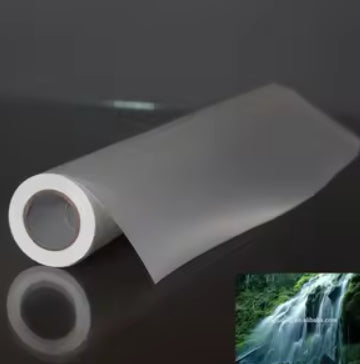
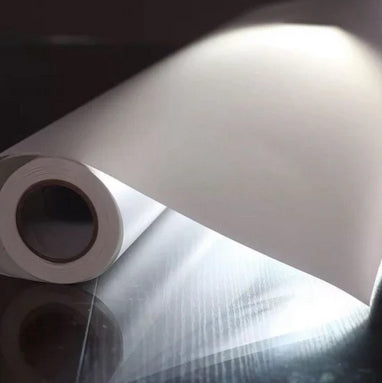
The process of involves applying decorative gold foil to wedding cards and packaging boxes using UV printing technology. This method has become a standard requirement in the Indian wedding industry to enhance the visual appeal of premium invitations. By combining spot UV printing with heat-activated foil, manufacturers can create intricate gold patterns that are durable and high-contrast.
To execute this technique, you must first print your design using a UV printer on the desired substrate, such as cardstock or box board. The gold foil is then placed over the UV-printed area and passed through a heating element. The heat triggers a specific chemical reaction that makes the foil adhere strictly to the UV ink, leaving the rest of the surface clean.
This technology is widely used in Secunderabad and across India for high-end wedding boxes. It replaces traditional manual leafing with a faster, more precise digital process. The result is a professional finish that resists peeling and maintains its luster over time.
Before you start
Gold foiling on wedding cards and boxes is achieved by applying specialized foil over UV-printed surfaces and activating it with heat. This process creates a chemical reaction that bonds the foil exclusively to the UV-coated areas, providing a premium finish for Indian wedding stationery.
- The process requires a base of spot UV printing before foil application.
- A chemical reaction occurs between the foil and UV coating during the heating phase.
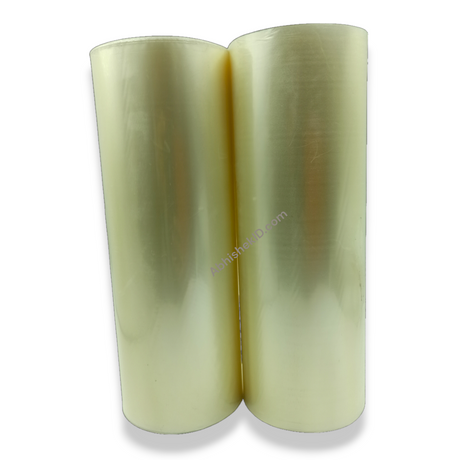
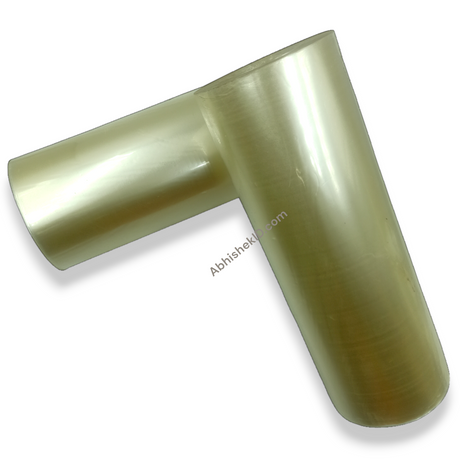
- AbhishekID provides gold foil in 10 different colors for diverse design requirements.
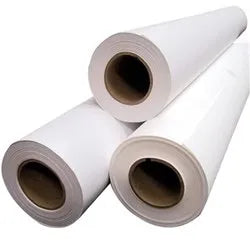
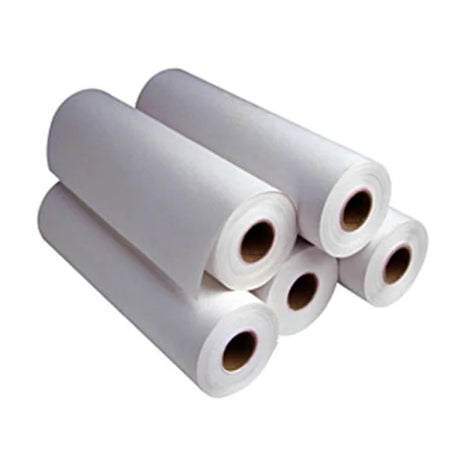
Beginners looking to start with should first understand the necessity of UV printing. You cannot apply this specific gold foil directly to plain paper; it requires the UV ink layer to act as a glue. Start by sourcing high-quality gold foil rolls from a reliable supplier like AbhishekID.
The equipment needed includes a UV printer and a heat-source machine, such as a basic laminator. Beginners should practice on scrap cardstock to find the correct speed and temperature settings. Always keep your foil rolls in a cool, dry place to prevent the chemical properties from degrading.
Setup steps
Step 1: Design and UV Print
Create your design and print the specific areas you want foiled using a UV printer on your wedding card or box material.
Step 2: Foil Placement
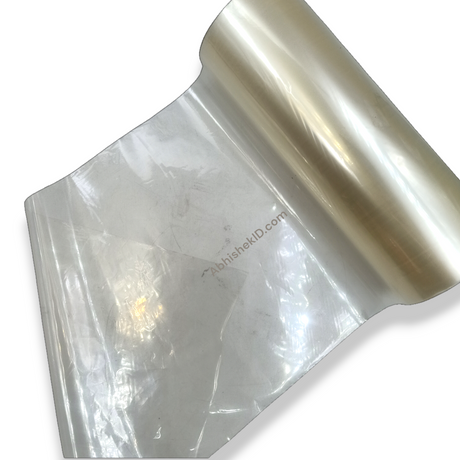
Cut a piece of gold foil slightly larger than the printed area and place it over the UV ink, ensuring the dull side faces down.
Step 3: Heat Activation
Pass the card and foil through a heat press or laminator to trigger the chemical reaction between the UV ink and the foil.
Step 4: Peeling
Allow the card to cool for a few seconds, then gently peel away the carrier sheet of the foil to reveal the gold finish.
Step 5: Quality Check
Inspect the edges of the gold foil to ensure sharp lines and complete adhesion to the UV-printed surface.
How to use the printer
To perform , you begin with a completed UV print on your wedding card or box material. The UV ink acts as the bonding agent for the foil. You must ensure the UV print is clean and free of dust before proceeding to the foiling stage to ensure a smooth finish.
Place the specialized gold foil over the UV-printed sections of the card. The foil must be laid flat to avoid wrinkles, which could cause gaps in the gold coverage. Once positioned, the material is subjected to heat, which facilitates the bonding process between the foil and the UV chemical base.
After the heating process is complete, the excess foil is peeled away. The gold remains only on the parts where the UV ink was applied. This method allows for extremely fine details that are difficult to achieve with traditional block foiling or screen printing methods.
The science behind works relies on a thermo-chemical reaction. The UV ink used in the printing process contains specific polymers that remain reactive even after the initial UV curing. When the gold foil is placed on top and heated, these polymers soften and bond with the metallic layer of the foil.
This bonding is selective, meaning the foil will not adhere to the non-printed areas of the wedding card. This allows for "spot" foiling without the need for expensive metal dies or plates. It is a digital solution that is highly cost-effective for short-run wedding card orders in the Indian market.
The 10 color variations available for this process work on the same principle. Each foil type is designed to react with the UV base under heat. This versatility allows print shops to offer a wide range of premium finishes, from traditional gold to modern metallic shades, all using the same basic equipment and process.
Troubleshooting or common issues
The best way to use is to integrate it into a digital workflow where spot UV and gold foiling are combined. This approach is most effective for wedding card boxes where branding and decorative elements need to stand out. Using high-quality UV ink ensures the chemical reaction with the foil is strong and consistent.
For optimal results, maintain
⚡ Fast Answers Summary To perform gold foiling using the UV method, you need a UV printer to apply the base design and a heat source, such as a laminator or heat press. The UV printer creates the necessary chemical base, while the heat source triggers the bonding reaction between the UV ink and the gold foil. This setup is standard for modern print shops in India. The gold foil adheres to the UV ink, not the paper itself. Therefore, you can use it on various substrates including cardstock, textured paper, and box boards, provided they can pass through a UV printer. The quality of the finish depends on the smoothness of the UV print layer rather than the underlying paper texture. There are 10 different colors of foil available for this process. While gold is the most common choice for traditional Indian wedding cards, the variety allows designers to use silver, rose gold, and other metallic shades to match modern wedding themes. All 10 colors follow the same heat-activated chemical reaction process for adhesion. Yes, the gold foil finish is highly durable because it bonds chemically with the UV ink. Once the heat activation and peeling process are complete, the foil becomes a part of the UV layer. It is resistant to rubbing and does not flake off easily, making it suitable for wedding boxes that undergo handling during transit. Heat is necessary to initiate the chemical reaction between the UV-printed ink and the foil. Without heat, the foil will not stick to the UV coating. The temperature must be high enough to soften the UV polymers so they can grab the metallic particles in the foil, ensuring a permanent and crisp transfer of the design. No, this UV gold foiling process does not require expensive metal dies or blocks. Unlike traditional hot foil stamping, this is a digital process. The "die" is essentially the UV-printed image itself. This makes it much more affordable for small batches of wedding cards and allows for easy customization of individual names or designs.Frequently Asked Questions