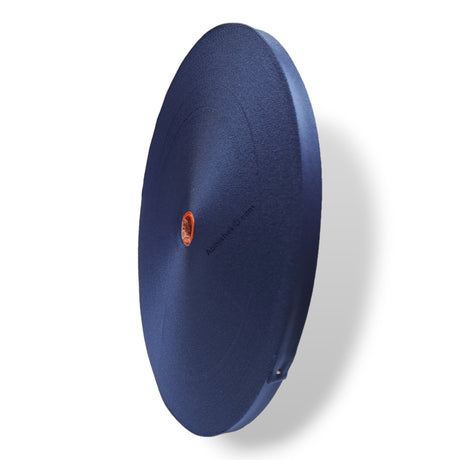
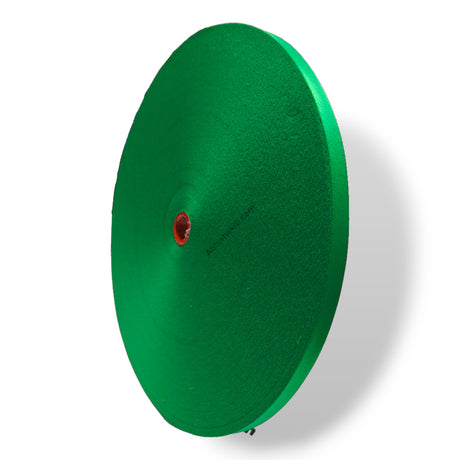
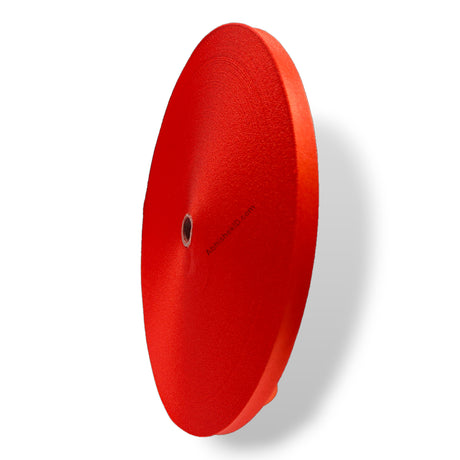
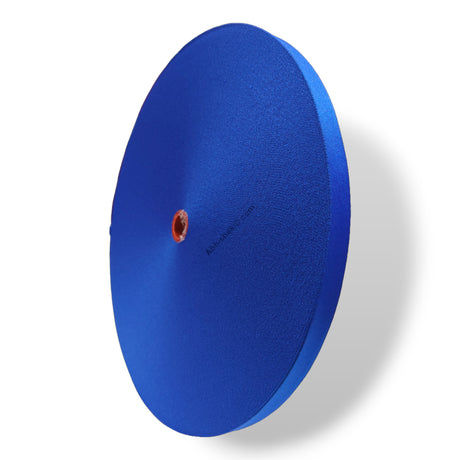
How to Fast Lanyard Making: A Guide to Heat Cut and Seal Machines
How to Fast Lanyard Making: A Guide to Heat Cut and Seal Machines
Fast lanyard making is achieved by using a specialized heat cut and seal machine that automates the cutting and edge-finishing process. This technology replaces manual cutting, ensuring that polyester or nylon neck ropes have clean, fused edges that do not fray over time. By integrating thermal cutting into your workflow, you can significantly increase production speed for ID card accessories.
Before you start
Fast lanyard making requires a heat cut and seal machine to produce professional, non-fraying neck ropes. Abhishek Products provides these tools along with lifetime support and temperature charts to optimize production. Key benefits include clean edge finishing, increased workflow speed, and durable results for the Indian ID card market.
- Heat sealing prevents lanyard edges from fraying or unraveling.
- Abhishek Products offers 32+ years of industry expertise in Secunderabad.
- Using a detailed timing and temperature chart is essential for consistent quality.
For beginners, fast lanyard making starts with understanding the relationship between heat and synthetic fibers. Most ID lanyards are made of polyester, which reacts well to thermal cutting. Beginners should start by practicing on scrap material to find the optimal speed for pulling the ribbon through the heat sealer.
Abhishek Products, located in the Minerva Complex in Secunderabad, serves as a trusted partner for those new to the industry. With over 32 years of experience, they provide not just the hardware, but the technical knowledge required to avoid common mistakes like over-melting or uneven edges. Their guidance helps beginners set up a productive workshop quickly.
Setup steps
The step-by-step process for fast lanyard making involves preparation, alignment, and thermal execution.
Step 1: Preparation and Measurement
First, measure the required length for the neck rope based on standard corporate or school requirements. Ensure the ribbon is flat and free of twists before introducing it to the machine.
Step 2: Alignment and Thermal Cutting
Second, align the ribbon with the guide on the Heat Cut & Seal Machine. Once aligned, activate the heated element to perform the cut. The heat will instantly melt the edge as it passes through. This step replaces the need for separate cutting and singeing, which is the traditional, slower method.
Step 3: Quality Inspection
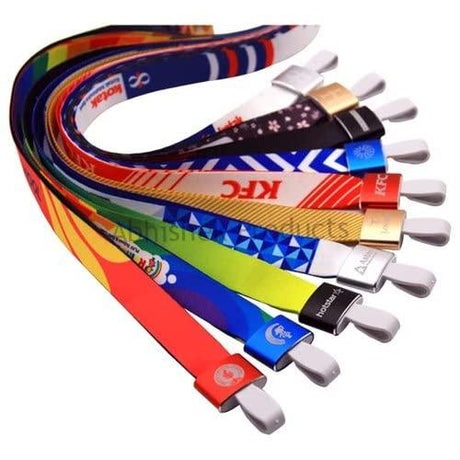
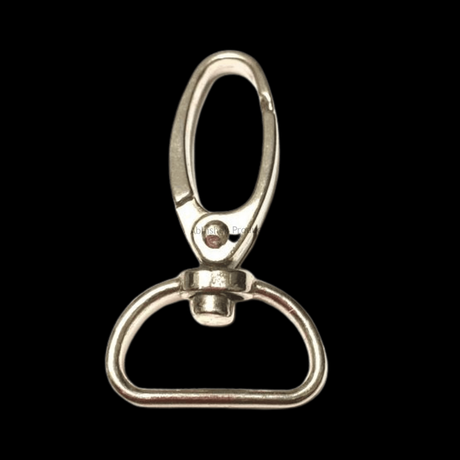
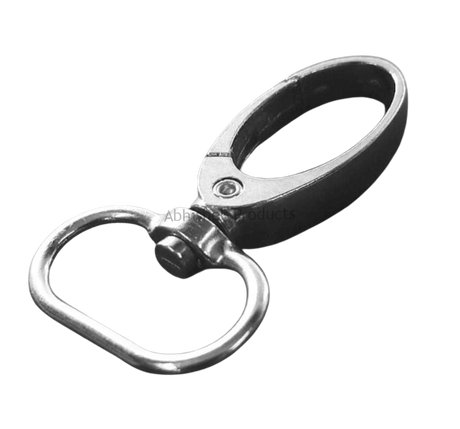
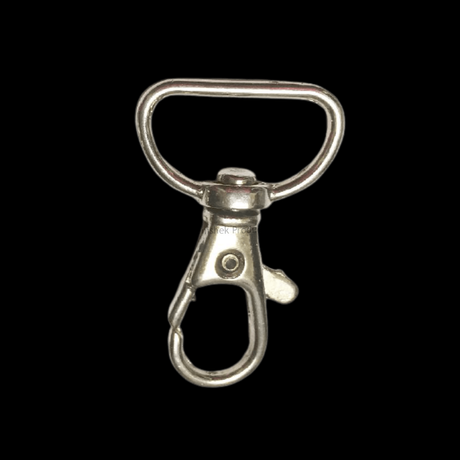
Finally, inspect the seal to ensure it is smooth to the touch. A proper heat seal should be firm and transparent. Once the edges are sealed, you can proceed to attach hooks, clips, or plastic tags. This streamlined process ensures that the lanyard is ready for immediate assembly and delivery to the client.
How to use the printer
To achieve fast lanyard making, you must transition from manual scissor cutting to a thermal heat cut and seal process. This method uses a heated blade to slice through the lanyard material while simultaneously melting the fibers at the cut point. This fusion creates a permanent seal that prevents the fabric from unraveling during daily use.
In the Indian market, where bulk orders for schools and offices are common, speed is a competitive necessity. Using a Heat Cut & Seal Machine allows a single operator to process hundreds of neck ropes per hour. This efficiency is critical for businesses located in hubs like Secunderabad or Hyderabad that handle high-volume printing contracts.
The best way to use fast lanyard making technology is to strictly follow a timing and temperature chart tailored to your specific material. Different lanyard ribbons, such as satin or polyester, have varying melting points. Applying the correct heat ensures a clean cut without scorching the fabric or leaving unsightly black residue on the edges.
Fast lanyard making works through the principle of thermal fusion. When the synthetic fibers of a lanyard ribbon come into contact with a high-temperature blade, they reach their melting point instantly. As the blade moves through the material, the liquid polymer cools almost immediately, bonding the loose threads into a solid plastic edge. This is why professional manufacturers always prefer heat sealing for neck ropes and tags used in professional environments. AbhishekID.com specializes in providing these advanced solutions to the Indian market.
Troubleshooting or common issues
Consistency is the hallmark of professional production. Abhishek Products provides a detailed timing and temperature chart for heat press and cutting machines to help clients achieve perfect results. This documentation is vital for maintaining quality across large batches of ID neck ropes and tags.
Another best practice is to maintain your equipment regularly. Abhishek Products offers lifetime free support for all printing and cutting issues, ensuring that your machine remains operational. Keeping the cutting blade clean of melted residue will ensure that every cut remains sharp and the seal remains airtight.
It is also recommended for beginners to invest in high-quality inkjet media and ID card accessories. Using premium materials ensures that the final product looks professional and lasts longer. Starting with the right tools, such as a dedicated heat seal machine, prevents the frustration of manual errors and material waste.
Related products
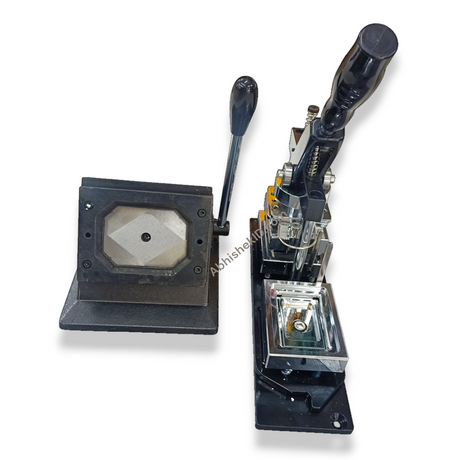
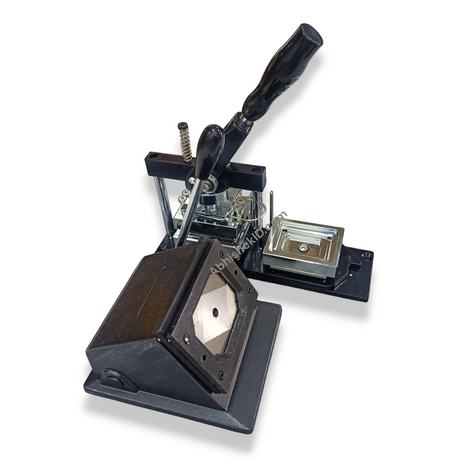
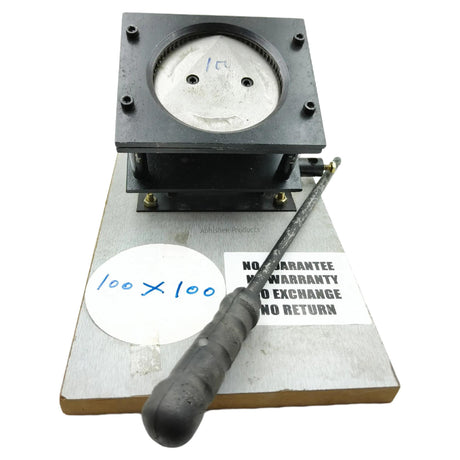
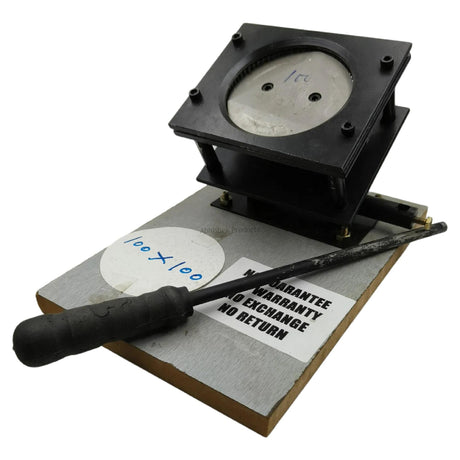
The Heat Cut & Seal Machine (available at Abhishek Products) is ideal for lanyard manufacturing because it combines cutting and edge-sealing into a single, high-speed operation. This machine is designed for durability and ease of use in busy printing environments.
Abhishek Products also provides a comprehensive range of ID accessories and inkjet media. Their 32+ years of experience ensures that every product, from lamination machines to binding supplies, is tested for the highest quality standards in the industry.
Frequently Asked Questions
⚡ Fast Answers Summary
- The most effective way to prevent lanyards from fraying is to use a heat cut and seal machine.
- You can purchase professional lanyard making equipment at Abhishek Products, located at Shop No.
- Yes, Abhishek Products provides lifetime free support for all printing and cutting issues.
The most effective way to prevent lanyards from fraying is to use a heat cut and seal machine. This tool uses thermal energy to melt the edges of the polyester ribbon as it cuts, creating a fused border that cannot unravel. Manual cutting with scissors always leaves the fibers exposed, leading to fraying over time.
You can purchase professional lanyard making equipment at Abhishek Products, located at Shop No. 37, Ground Floor, Minerva Complex, S.D. Road, Secunderabad. They are the largest provider in the industry with over 32 years of experience and offer a wide range of ID card and printing solutions.
Yes, Abhishek Products provides lifetime free support for all printing and cutting issues. Customers receive detailed timing and temperature charts to ensure their machines operate at peak efficiency. This support is designed to help businesses troubleshoot production challenges and maintain high-quality output consistently.
The heat cut and seal machine is designed primarily for synthetic materials like polyester, nylon, and satin ribbons. These materials contain plastic fibers that melt under heat, allowing for a clean seal. Natural fibers like cotton do not melt and therefore cannot be sealed using this specific thermal process.
A temperature chart is critical because different ribbon thicknesses and materials require specific heat levels. If the temperature is too low, the cut will be jagged and the seal incomplete. If it is too high, the fabric may burn or discolor. Following the Abhishek Products chart ensures a perfect finish every time.
The machine improves speed by combining two tasks—cutting and sealing—into one single motion. In a traditional workflow, you would cut with scissors and then use a lighter or separate heat source to seal the edges. The heat cut machine does both instantly, allowing for rapid bulk production of ID neck ropes.