How to Automatic Card Lanyard: A Guide to Tag Fitting Machines
How to Automatic Card Lanyard: A Guide to Tag Fitting Machines
TL;DR: The automatic ID card lanyard machine is a retrofitted electronic tag fitting device designed for high-speed notch pressing on 12mm, 16mm, and 20mm lanyards. It operates on a standard single-phase motor, making it ideal for Indian small businesses requiring durable joints for sleeve, flag, and multi-color dories. This machine provides a professional finish that is superior to manual jointing and is easy to maintain locally.
- Supports 12mm, 16mm, and 20mm lanyard widths.
- Runs on a standard single-phase motor for local repairability.
- Produces high-strength notch joints for sleeve and flag dories.
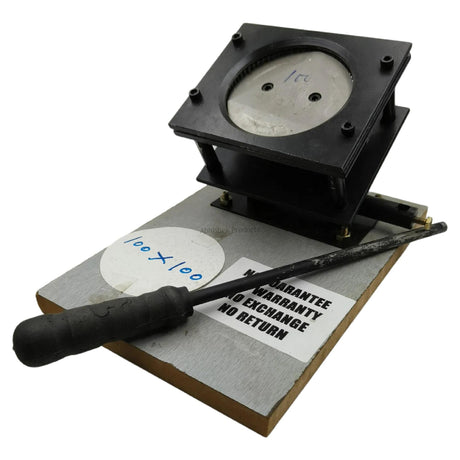
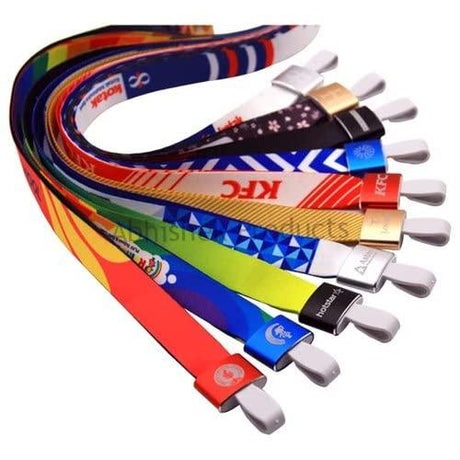
To automatic card lanyard production, you must use a retrofitted electronic tag fitting machine that replaces manual crimping with a mechanical notch press. This machine is specifically engineered to handle various lanyard types including sleeve dory, flag dory, and multi-color dory. By using an automated system, Indian manufacturers can ensure that the metal tag is pressed with enough force to prevent the lanyard from opening during daily use.
The process involves feeding the lanyard material through the tag notch pressing unit. This equipment is essential for businesses in Secunderabad and across India that supply schools and corporate offices. The machine's ability to handle multiple sizes—12mm, 16mm, and 20mm—allows for a versatile production line without needing multiple specialized devices. The electronic fitting ensures that every tag is uniform, which is a significant quality upgrade over manual hand-pressing methods.
Before you start
For beginners starting an ID card printing business in India, the automatic lanyard tag fitting machine is a critical investment for scaling production. Unlike manual tools that cause hand fatigue and inconsistent quality, this electronic machine uses a single-phase motor that can be plugged into any standard Indian wall outlet. Beginners should start by practicing with 12mm lanyards, as these are the most common for school ID cards and are the easiest to align in the notch press.
The machine is designed for ease of use, meaning a single operator can produce hundreds of finished lanyards in an hour. Maintenance is straightforward; since it uses a standard motor, local repair shops in cities like Secunderabad or Hyderabad can easily service the mechanical parts. Beginners should focus on the "dan-dan" speed of the machine, which refers to its high-efficiency output. Always ensure the metal tags are loaded correctly into the feeder to prevent jams during the pressing cycle.
Setup steps
Power Setup
Connect the machine to a standard single-phase power source. Ensure the voltage is stable to protect the electronic components.
Material Selection
Choose your lanyard width (12mm, 16mm, or 20mm) and the corresponding metal tags. This machine supports sleeve, flag, and multi-color dory types.
Alignment
Place the lanyard ends together and position the metal tag over the joint. Insert the assembly into the notch pressing area of the machine.
Activation
Use the electronic trigger to engage the motor. The machine will apply a high-pressure notch press to the tag, securing the lanyard ends permanently.
Quality Inspection
Pull the joint firmly to ensure it does not open. The resulting joint should be cleaner and stronger than any manual joint.
How to use the printer
The best way to use an automatic card lanyard machine is to calibrate the notch press according to the specific width of the dory, whether it is 12mm, 16mm, or 20mm. For high-volume orders, the machine should be set up in a dedicated workspace with a stable single-phase power connection. This ensures the motor runs consistently, providing the necessary torque for a clean tag fit. Using the machine for multi-color and flag dories requires precise alignment to ensure the tag does not obscure the branding on the fabric.
In the Indian market, durability is the primary concern for ID card accessories. The best practice is to perform regular checks on the notch pressing head to ensure the joints remain tight. Because this machine is retrofitted for the specific needs of the ID industry, it handles the thickness of sleeve dories better than standard industrial presses. Operators should ensure the lanyard material is cut cleanly before feeding it into the tag fitting area to avoid fraying under the metal notch.
The automatic card lanyard machine works by utilizing a retrofitted electronic fitting system powered by a single-phase motor. When the operator activates the machine, the motor drives a mechanical press that crimps a metal tag onto the lanyard fabric. This process is known as notch pressing. The machine is specifically modified to provide the exact amount of pressure required to bite into the fabric of a 12mm or 20mm dory without cutting through the material.
This mechanical advantage is what makes the joints "better than manual." In manual production, the pressure varies with the operator's strength, leading to loose tags. The electronic system provides uniform force every time. The internal mechanism is designed to be simple and robust, allowing for high-speed operation. Because it is a single-phase system, it is highly efficient for small-scale industrial use in India, where three-phase power may not always be available in residential or small commercial areas.
Frequently Asked Questions
⚡ Fast Answers Summary
- Yes, the automatic tag fitting machine is designed to work with 12mm, 16mm, and 20mm lanyard widths.
- The machine operates on a standard single-phase motor.
- The joint quality produced by this electronic machine is significantly better than manual joints.
Yes, the automatic tag fitting machine is designed to work with 12mm, 16mm, and 20mm lanyard widths. This versatility makes it suitable for various Indian market requirements, ranging from narrow school dories to wider corporate multi-color lanyards. The notch pressing mechanism adjusts to the thickness of these different materials effectively.
The machine operates on a standard single-phase motor. This is a significant advantage for Indian business owners because single-phase power is available in almost all commercial and residential buildings. Additionally, single-phase motors are easier to maintain and can be repaired by local technicians if needed.
The joint quality produced by this electronic machine is significantly better than manual joints. The machine applies consistent, high-pressure notch pressing that ensures the tag does not open easily. Manual joints often suffer from inconsistency, whereas this machine provides a professional, industrial-grade finish every time.
This machine is compatible with several lanyard styles, including sleeve dory, flag dory, and multi-color dory. Whether you are producing simple solid-color lanyards or complex branded dories, the retrofitted fitting system handles the fabric and the metal tag with precision across all these formats.
Since the machine uses a standard single-phase motor and a mechanical retrofit design, it can be repaired locally in most Indian cities. AbhishekID.com also provides support and guidance for maintenance. The simplicity of the design ensures that parts are generally accessible for quick servicing to minimize downtime.
Yes, the machine is designed for ease of use. A beginner can quickly learn to align the tags and operate the press. The electronic fitting process is straightforward, and because the machine handles the heavy pressing work, it requires very little physical effort compared to manual tools.