How to Start New Business: A Graphic Designer Shop Guide
How to Start New Business: A Graphic Designer Shop Guide
To start a new graphic designer business in India, you must bridge the gap between digital creativity and physical production. A graphic designer shop is not just about knowing Photoshop, CorelDraw, or Illustrator; it is about delivering a finished product like a brochure, ID card, or badge. Combining design and printing into a single package makes the business highly profitable for a single-man operation with low investment.
Before you start
Starting a new graphic designer business requires a combination of design software skills and small-scale finishing machinery. You should focus on high-demand products such as brochures, pamphlets, ID cards, badges, and labels. By handling both the design and the physical printing in-house, you capture the full profit margin that is usually lost to outsourcing.
In the Indian market, a graphic designer might charge ₹1,000 for a single wedding invitation design. However, the printing of 1,000 cards at ₹10 each generates ₹10,000 in revenue. When you own the machines, you control the quality and the timeline, which builds immediate customer confidence. Small-scale machines allow you to work from a home or office table without needing massive industrial space.
The most successful shops are those that provide immediate samples. When a customer sees a physical prototype of their design immediately, their loyalty to your shop increases. This "tailor shop" model—where you buy the cloth and get it stitched in the same place—is the most effective way to run a graphic design business in Secunderabad or any Indian city.
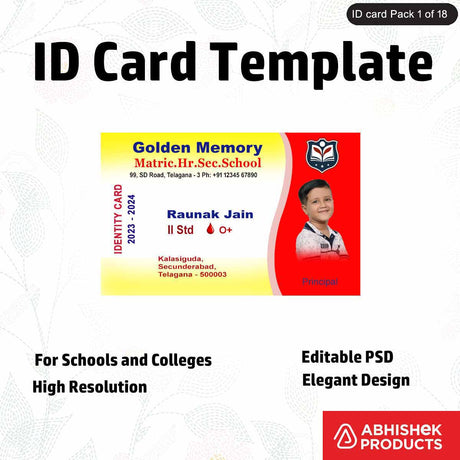
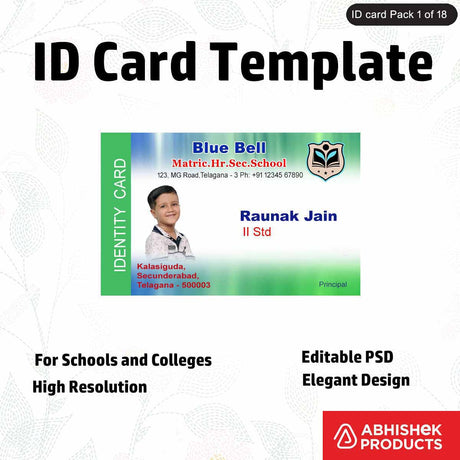
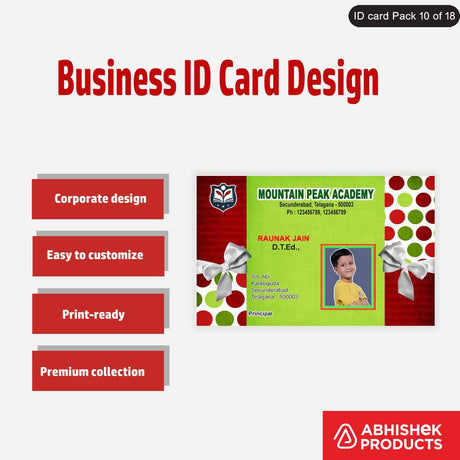
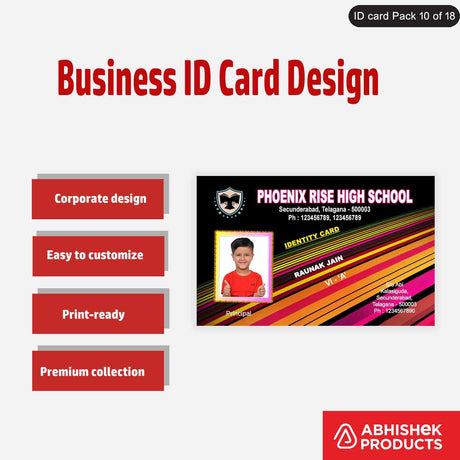
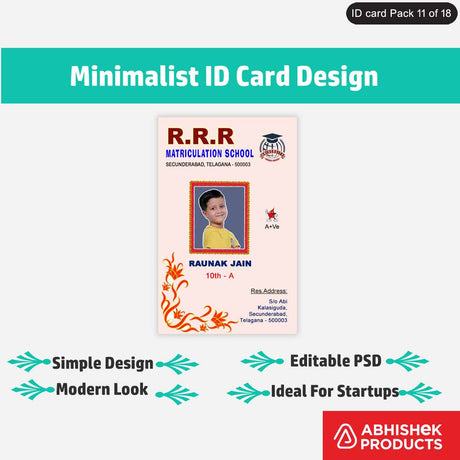
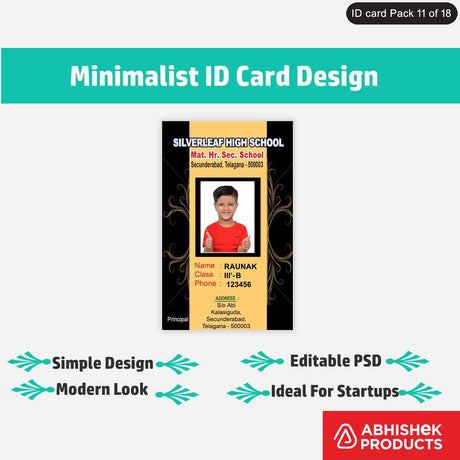
For beginners, the first step is mastering design software like Photoshop or CorelDraw. Once you can design, you must invest in automation software. Our ID card software is a critical tool for beginners because it automates the creation of labels, barcodes, QR codes, and expiry date stickers by importing data directly from Excel sheets.
Beginners should start with versatile, manual machines to keep investment low. A 14-inch or 24-inch rotary cutter is ideal for cutting hard media up to 800 microns thick, which is roughly the thickness of an ATM card. This machine is perfect for making prototypes and art-and-craft designs without the need for expensive industrial equipment.
Focus on seasonal business cycles in India to ensure steady cash flow. For example, June and July are peak months for school badges, while December is busy with sports badges and New Year diaries. Political elections, which occur frequently at various levels in India, provide a constant demand for button badges and branding materials that can be produced quickly with a manual badge machine.
Setup steps
Step 1: Set up your design workstation
Set up your design workstation with Photoshop or CorelDraw. This is where you create the initial artwork for brochures, posters, or ID cards. Ensure you have a reliable computer that can handle high-resolution graphics for printing.
Step 2: Integrate automation software
Use ID card software to link your designs with Excel data. This allows you to generate hundreds of unique ID cards or labels with a single click, saving time and preventing manual entry mistakes.
Step 3: Perform the physical print
Use a high-quality printer to transfer your designs onto the appropriate media, whether it is paper, sticker sheets, or PVC. For small runs, a standard office-grade photo printer is often sufficient to start.
Step 4: Finishing and Binding
Use a creasing machine for brochures to ensure clean folds, or a rim cutter to trim bulk stacks of up to 500 pages. For diaries and calendars, use a spiral or wiro binding machine to create the final physical product.
Step 5: Quality Control and Delivery
By doing the work yourself, you can check every piece for color accuracy and alignment. This ensures that the final product matches the customer's expectations perfectly before they leave your shop.
How to use the printer
The best way to use a new graphic designer business model is to eliminate outsourcing for small-run jobs. Outsourcing jobs of 100 units or fewer often leads to delays and reduced profits. If you go to a large-scale binder for a small cutting job, they may prioritize 10,000-piece orders, forcing you to wait and lose your customer's patience.
Using small machines like manual rim cutters or thermal laminators allows you to handle these small runs profitably. You can use these tools to create prototypes and samples for interior designers, arts and science colleges, or corporate clients. This immediate response gives the customer confidence that all work is done perfectly within your shop.
Another effective strategy is to target niche markets like the trophy industry or CCTV installation companies. These businesses require specific branding, such as round stickers or dome labels. By using a round die cutter, you can provide these specialized products that general print shops might overlook, allowing you to charge a premium for your services.
The business works by maximizing the value of a single design. While a design is made only once, the physical print can be reproduced thousands of times. This scalability is where the real profit lies. For example, designing a menu for a hotel is a one-time fee, but printing and laminating 50 copies of that menu using your own machines adds significant recurring value.
Small-scale machines like the cold lamination machine are essential for specific industries like photo studios and interior design. These machines allow you to apply protective layers to posters and photos, making them durable and professional. This service is a physical aspect of the job that customers are willing to pay extra for, beyond the digital design fee.
The economics of the business are driven by speed and convenience. In a market like India, being able to provide a sample immediately after a design is approved is a major competitive advantage. It builds trust, and in the printing industry, trust is as valuable as money. Owning your equipment means you never have to tell a customer to "come back in two hours" because you are waiting on an external binder.
Related products
- The Manual Rim Cutter is ideal for Xerox centers and graphic shops because it can cut up to 500 pages at a time, handling large sheets like 13x19 or 12x18 inches easily.
- The 24-inch Rotary Cutter is perfect for cutting hard media up to 1mm thickness, making it a versatile tool for creating prototypes, art projects, and interior design samples.
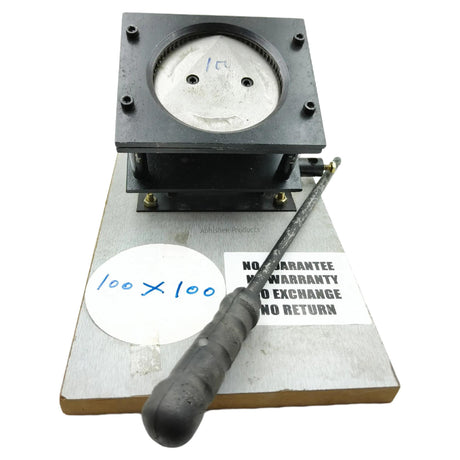
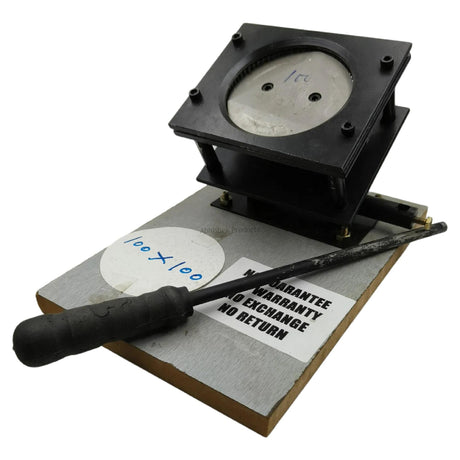
- The Round Die Cutter, available in sizes from 18mm to 120mm, is essential for the trophy industry and for creating political or corporate branding stickers for cars and equipment.
- The Button Badge Machine is a high-demand tool for election seasons, school events, and corporate recognition days, allowing for high-volume production of branded badges.
Frequently Asked Questions
⚡ Fast Answers Summary
- Graphic design alone offers limited profit margins because you are only charging for your time and creativity.
- Buying small machines allows you to handle small runs of 100 units or fewer profitably and quickly.
- A standard 14-inch or 24-inch rotary cutter can easily cut paper and media up to 800 microns or 1mm in thickness.
Graphic design alone offers limited profit margins because you are only charging for your time and creativity. To maximize profit, you should combine design with physical printing and finishing. This allows you to earn from both the creative service and the volume of physical products produced, such as 1,000 printed cards versus one design fee.
Buying small machines allows you to handle small runs of 100 units or fewer profitably and quickly. Outsourcing small jobs often leads to long wait times at large-scale binders, which can frustrate your customers. Having your own machines like a rim cutter or laminator gives you full control over quality and delivery speed.
A standard 14-inch or 24-inch rotary cutter can easily cut paper and media up to 800 microns or 1mm in thickness. This is approximately the thickness of a standard ATM card. This makes it suitable for tough media, laminated sheets, and creating prototypes for art and craft or interior design industries.
The badge-making business has several peak seasons in India. June and July are busy with school and college badges. December is peak time for sports events and corporate diaries. Additionally, the frequent election cycles for municipalities, railways, and state assemblies create a constant demand for political party branding and badges.
ID card software saves money by automating the data entry process. By linking an Excel sheet to your design, the software generates all cards automatically. This eliminates manual typing errors, saves hours of labor, and ensures a professional result that builds customer confidence in your shop's technical capabilities.
Yes, a versatile binding machine can handle spiral binding, wiro binding, and calendar binding. This makes it a multi-purpose tool for creating hotel menus, school workbooks, corporate diaries, and wall calendars. It is an essential machine for any graphic designer looking to expand into the hospitality or education sectors.