How to Waterproof ID Cards? AP Film Best Quality Guide
How to Waterproof ID Cards? AP Film Best Quality Guide
TL;DR: AP Film is the most reliable material for creating 100% waterproof ID cards that can remain submerged in water for over 30 days without damage. These cards prevent ink bleeding and layer separation, making them ideal for high-humidity environments in India. Key benefits include long-term durability, professional finish, and resistance to environmental wear.
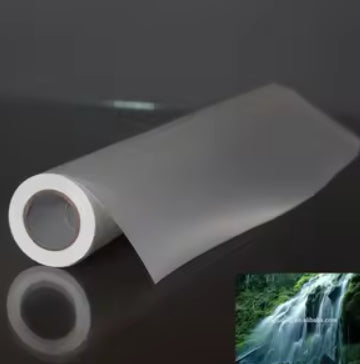
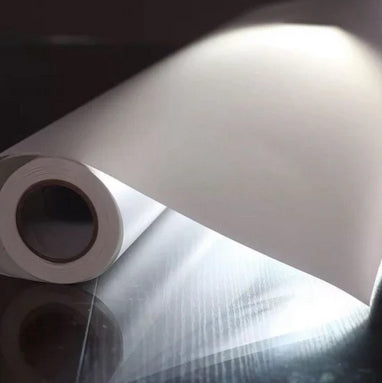
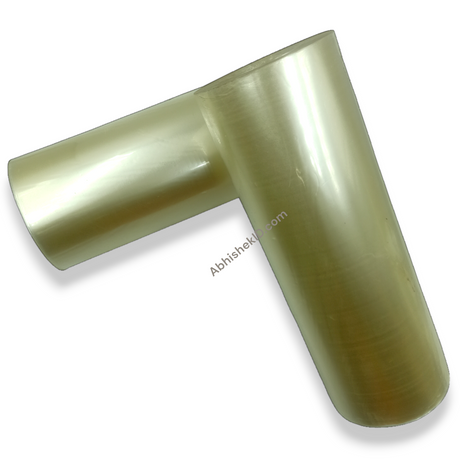
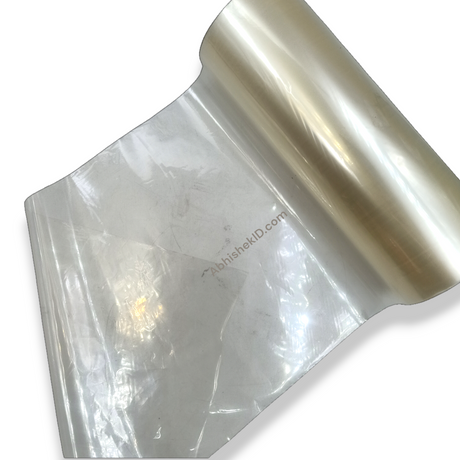
To waterproof cards effectively, you must use AP Film material during the manufacturing process. This specific film creates a permanent seal that protects the printed core from moisture, allowing the card to remain functional even after being submerged in water for a full month. Unlike standard paper-based cards, AP Film ID cards do not peel or fade when exposed to liquid.
In the Indian market, where monsoon seasons and high humidity are common, standard ID cards often degrade quickly. Using AP Film ensures that employee IDs, student cards, and membership badges maintain their integrity. At AbhishekID.com in Secunderabad, we have tested these cards by leaving them in water for 30 days to prove their survival capabilities.
Before you start
The most effective way to waterproof cards is to utilize AP Film technology which bonds directly to the ID card substrate. This process ensures that the edges are sealed against water ingress, preventing the common issue of 'blooming' or edge-peeling seen in cheaper alternatives. This method is superior to simple cold lamination which can trap moisture over time.
For businesses in Secunderabad and across India, waterproofing is a necessity for field workers and outdoor staff. By using AP Film, the printed data remains sharp and the physical card remains rigid. This durability reduces the recurring cost of reprinting damaged cards, providing a better return on investment for small business owners.
For beginners, the guide to waterproof cards starts with understanding the material difference between standard PVC and AP Film. Standard cards often use a basic coating that can wear off, whereas AP Film integrates the waterproofing into the structure of the card itself. This ensures that even if the card is scratched, water cannot easily penetrate the core.
Beginners should focus on the 'submersion test' when evaluating quality. A high-quality waterproof card, like those provided by AbhishekID.com, should be able to stay in a container of water for weeks without the ink running. If you are starting an ID card printing business in India, offering AP Film cards allows you to guarantee 'Best Quality' to your customers, setting you apart from competitors using inferior materials.
Setup steps
Manufacturing process
The step-by-step process for creating waterproof cards involves selecting the right AP Film, printing your high-resolution design, and then fusing the layers. The critical step is ensuring the heat and pressure settings are correct so that the AP Film creates an airtight bond around the printed information. This prevents any gaps where water could enter.
Once the card is fused, it should be die-cut to the standard CR80 size. Because the waterproofing is part of the film layer, the cut edges remain protected. In our Secunderabad facility, we demonstrate this by taking a finished card and placing it in a water tank for 30 days to show customers that the card remains 'alive' and functional even after extreme exposure.
Step-by-step guide
- Material Selection: Choose AP Film as your primary substrate to ensure the highest level of water resistance and durability.
- Design Printing: Print your ID card design onto the core material using a compatible inkjet or laser printer, ensuring the ink is dry before the next step.
- Layering: Place the AP Film over the printed core, ensuring there is no dust or debris between the layers which could break the waterproof seal.
- Thermal Fusing: Pass the layered material through a professional fuser or laminator at the recommended temperature to bond the AP Film to the core.
- Quality Testing: For bulk orders, perform a submersion test by placing a sample card in water to verify that the edges are perfectly sealed.
How to use the printer
The best way to use waterproof cards is in environments where exposure to sweat, rain, or chemicals is frequent, such as construction sites, chemical plants, and schools. Because AP Film cards can survive being underwater for a month, they are perfect for heavy-duty industrial use where standard PVC cards might fail due to environmental stress.
In the Indian context, these cards are highly effective for swimming pool memberships, gym ID cards, and canteen tokens. Since the material is resistant to water damage, users do not need to worry about accidental spills or carrying their IDs during heavy rains. This makes them the preferred choice for logistics and delivery personnel who work outdoors regardless of weather conditions.
Waterproof cards work by using non-porous synthetic materials like AP Film that do not absorb liquid. While standard paper or low-grade plastic has microscopic pores that allow water to seep in, AP Film acts as a total barrier. This molecular density ensures that the ink remains trapped between the protective layers, shielded from external moisture.
The science behind AP Film involves a thermal bonding process. When heat is applied, the film and the card core become a single monolithic unit. This eliminates the 'pockets' of air where water usually settles in laminated cards. This is why an AP Film card from AbhishekID.com can stay underwater for a month and still look brand new when removed.
Related products
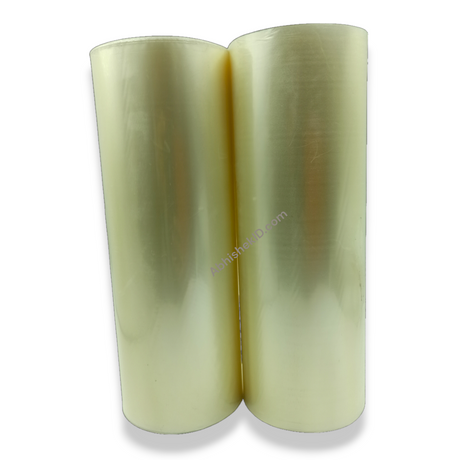
- The AP Film (Best Quality) is ideal for professional ID card printing because it has been proven to survive 30 days of continuous water submersion. This material is the gold standard for Indian businesses looking for long-lasting identification solutions.
- The AbhishekID.com Waterproof Series is ideal for industrial use-cases because it prevents the common problem of ink fading and material warping in high-humidity regions like Telangana and Andhra Pradesh.
Frequently Asked Questions
⚡ Fast Answers Summary
- Yes, AP Film ID cards are 100% waterproof.
- A high-quality waterproof ID card made with AP Film can stay underwater for at least one month.
- AP Film is a specialized synthetic material used in ID card manufacturing to provide superior durability and water resistance.
Yes, AP Film ID cards are 100% waterproof. Unlike standard laminated cards that may peel at the edges, AP Film creates a permanent bond that prevents water from reaching the printed core. Testing at AbhishekID.com has shown these cards can remain submerged for over 30 days without any degradation in quality or ink bleeding.
A high-quality waterproof ID card made with AP Film can stay underwater for at least one month. In our practical demonstrations, we have kept cards submerged for 30 days to prove their durability. The card remains 'alive' and functional, with no signs of layer separation or image fading after being removed from the water.
AP Film is a specialized synthetic material used in ID card manufacturing to provide superior durability and water resistance. It is designed to withstand harsh environmental conditions, making it the 'best quality' choice for businesses in India. It is specifically engineered to bond tightly to the card core, creating a moisture-proof barrier.
You can buy professional-grade waterproof ID card materials, including AP Film, from AbhishekID.com. Based in Secunderabad, we supply high-quality printing equipment and materials to businesses across India. Our products are tested for local conditions, ensuring they survive the heat and humidity common in the Indian market.
Waterproof cards typically require compatible printing setups that can handle AP Film or synthetic substrates. While the printing itself can often be done on standard high-quality printers, the waterproofing comes from the film and the fusing process. It is essential to use the correct heat settings to ensure the waterproof seal is fully activated.
Yes, waterproof cards are the ideal choice for outdoor events, festivals, and sports meets. They are resistant to rain, sweat, and accidental spills, ensuring that the attendee's information remains legible throughout the event. This durability makes them a practical solution for any situation where the cardholder is exposed to the elements.