✨ Featured Products


How to Simple Ways Cold: A Professional Guide to Cold Lamination
How to Simple Ways Cold: A Professional Guide to Cold Lamination
Cold lamination is a vital process for Indian businesses involved in photo printing, sticker making, and ID card production. Unlike thermal lamination, this method uses pressure-sensitive adhesives to bond film to a substrate. It is particularly effective for large-format prints and heat-sensitive acrylic surfaces where high temperatures might cause warping or discoloration.
Before you start
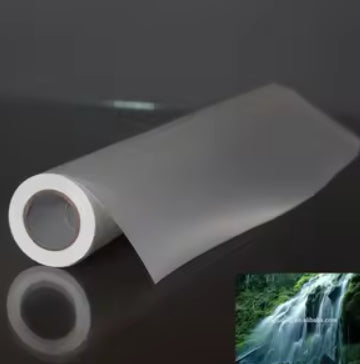
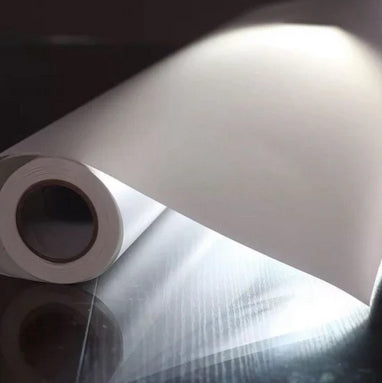
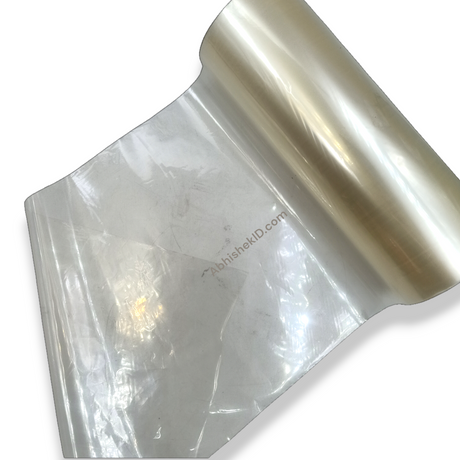
Beginners should start by practicing on scrap paper to master the tension of the lamination film. Cold lamination film consists of a plastic layer and an adhesive layer protected by a paper backing. In a manual setup, the goal is to peel the backing while simultaneously turning the machine handle. This synchronized movement is what prevents the film from wrinkling or folding over itself.
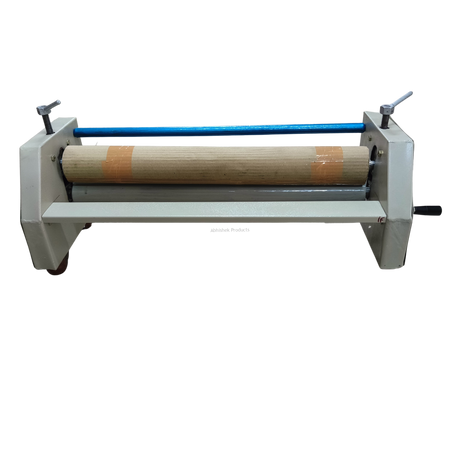
In the Indian market, manual machines are highly recommended for beginners because they do not require a power supply and are easy to maintain. The 14 Inch Cold Lamination Manual Machine is a standard entry-level choice for photo studios in Secunderabad and beyond. It provides enough width for A4 and A3 prints while remaining compact enough for small retail counters.
Cold lamination works through the application of mechanical pressure rather than heat. The rollers of the machine exert a specific amount of force that activates the pressure-sensitive adhesive on the film. This creates a permanent bond between the film and the surface of the paper or acrylic. Because there is no heat involved, the risk of melting plastic-based inks or damaging thermal paper is eliminated.
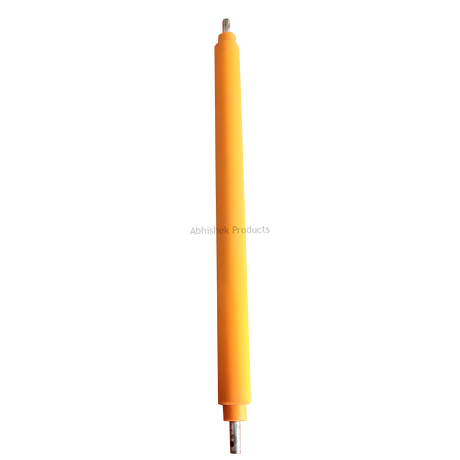
The efficiency of this process depends on the quality of the rollers. Machines like the 22 Inch Cold Lamination Manual Machine use heavy-duty rubber rollers to ensure the pressure is distributed evenly from the center to the edges. This is why cold lamination is the industry standard for protecting high-end wedding photos and commercial stickers that need to withstand sunlight and moisture.
Setup steps
Preparing the materials
- Clean your workspace and the rollers of your machine to remove any debris.
- Measure your document and cut a piece of cold lamination film that is slightly larger than the item.
- Peel back approximately one inch of the film's release liner to expose the adhesive.
- Stick this exposed edge onto the leading edge of your document, ensuring it is perfectly flat.
How to use the printer
Operating the machine
- Place the document and film into the 14 Inch Cold Lamination Machine.
- Slowly turn the handle while pulling the release liner away from the film as it enters the rollers.
- Once the entire document has passed through, trim the excess film from the edges using a sharp cutter or trimmer for a clean, professional look.
Professional techniques
To execute cold lamination simply, you must use a manual roller machine to apply consistent pressure across the entire surface of your document. By feeding the leading edge into the rollers of a 14 Inch Cold Lamination Manual Machine For Id Cards & Photo Studio, you ensure a straight start that prevents skewing during the full pass.
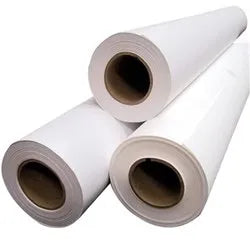
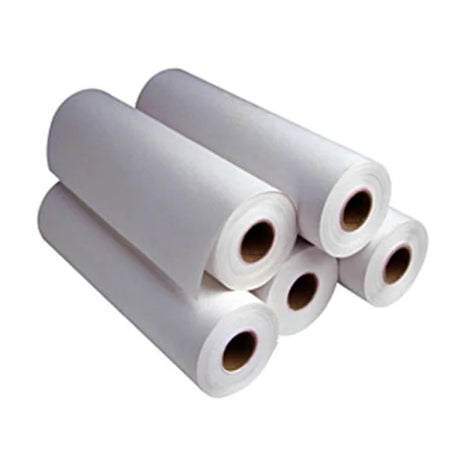
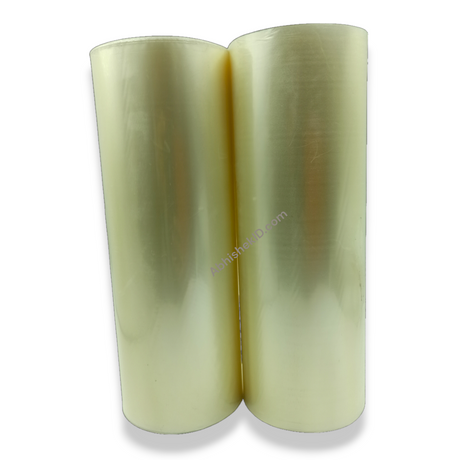
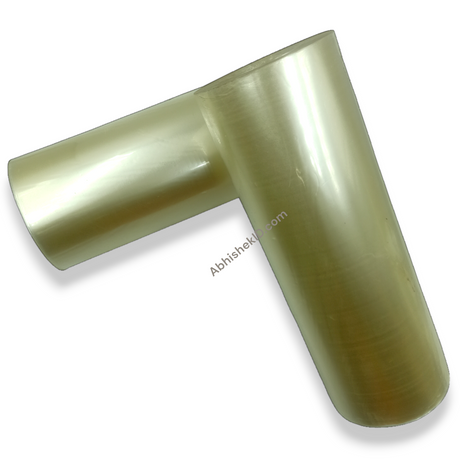
Another simple way to handle cold lamination is the "hinge method," where the film is taped to the workspace to maintain tension. This is especially useful when working with the 14 Inch Cold Lamination Machine + 13 Inch 125 Mic Cold Lamination Film. The 125-micron film provides a sturdy, professional thickness that resists scratches and moisture, making it ideal for outdoor stickers used in the Indian climate.
The best way to utilize cold lamination is to maintain slow, steady hand-crank speed on a manual machine to avoid air entrapment. For larger projects like posters or shop signage, using a 22 Inch Cold Lamination Manual Machine For Id Cards & Photo Studio allows for wider media coverage in a single pass.
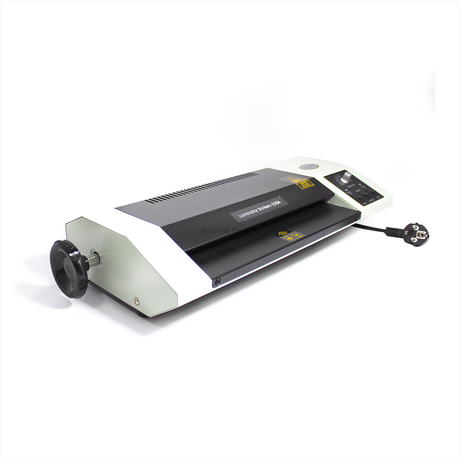
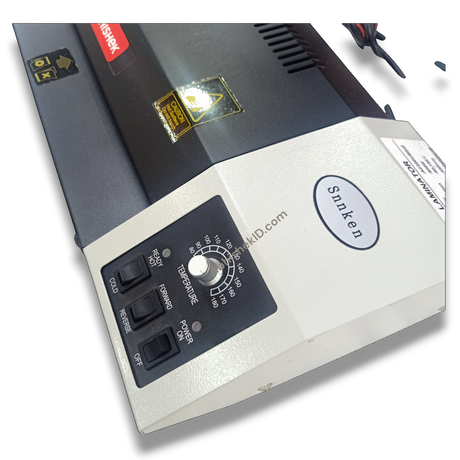
For high-thickness requirements, the best approach involves using specialized equipment like the Snnkenn 12 Inch A3 350 Mic Lamination Machine. While often used for standard lamination, its ability to handle up to 350-micron thickness makes it a versatile tool for heavy-duty ID cards and certificates that require maximum rigidity and protection against wear and tear.
Troubleshooting or common issues
- Air Entrapment: Ensuring the rollers are clean and free of dust is the most critical step for a bubble-free finish. Maintain a slow, steady hand-crank speed to avoid trapping air.
- Wrinkling or Folding: A synchronized movement of peeling the backing while simultaneously turning the machine handle is what prevents the film from wrinkling or folding over itself.
- Skewing: Ensure a straight start by feeding the leading edge carefully into the rollers to prevent skewing during the full pass.
Related products
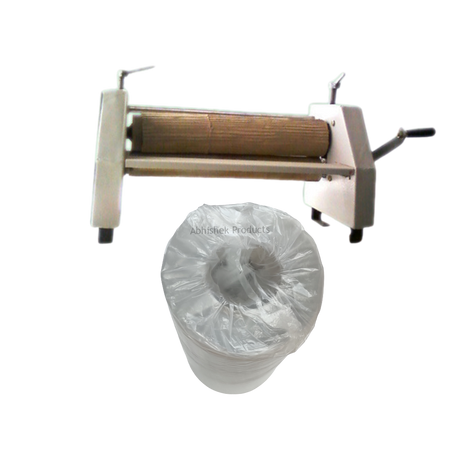
- 14 Inch Cold Lamination Machine + 13 Inch 125 Mic Cold Lamination Film: Ideal for sticker businesses because it includes a 13-inch wide roll of 125-micron film for immediate production.
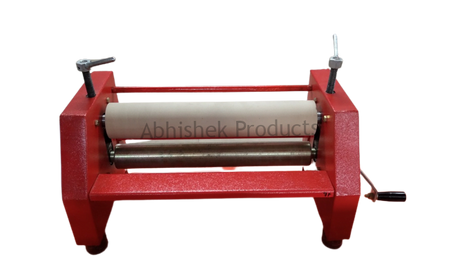
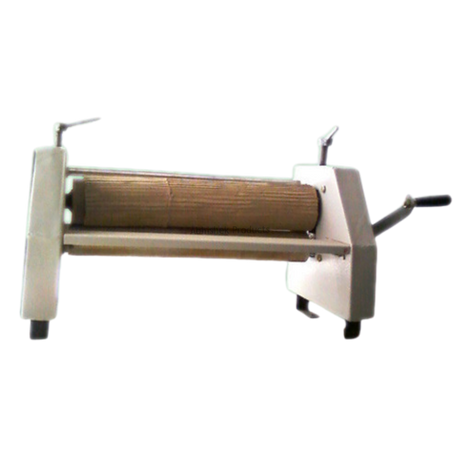
- 14 Inch Cold Lamination Manual Machine For Id Cards & Photo Studio: Ideal for small photo studios because it offers a portable, non-electric solution for laminating standard-sized photographs and ID cards.
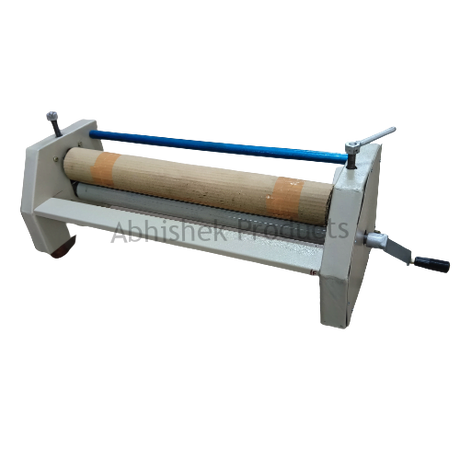
- 22 Inch Cold Lamination Manual Machine For Id Cards & Photo Studio: Ideal for signage shops because its 22-inch width accommodates large posters and wide-format acrylic lamination projects.
- Snnkenn 12 Inch A3 350 Mic Lamination Machine: Ideal for heavy-duty certificate lamination because it supports ultra-thick 350-micron pouches for maximum durability.
Frequently Asked Questions
⚡ Fast Answers Summary
- Cold lamination uses pressure-sensitive adhesive and mechanical rollers to bond film to a surface without heat.
- Yes, cold lamination is the standard method for making waterproof and UV-resistant stickers.
- The 14-inch cold lamination machine is highly suitable for photo studios as it handles all standard photo sizes up to A3.
Cold lamination uses pressure-sensitive adhesive and mechanical rollers to bond film to a surface without heat. Hot lamination uses heat-activated glue that melts at high temperatures to create a seal. Cold lamination is safer for heat-sensitive materials like vinyl stickers and certain photo papers used in Indian studios.
Yes, cold lamination is the standard method for making waterproof and UV-resistant stickers. Using a 14 Inch Cold Lamination Machine with 125-micron film ensures that stickers remain flexible while gaining a protective layer against scratches and environmental damage.
The 14-inch cold lamination machine is highly suitable for photo studios as it handles all standard photo sizes up to A3. It is a manual device, meaning it requires no electricity, making it a reliable tool for shops in areas with frequent power fluctuations in India.
A thickness of 125 microns is generally considered the best balance between protection and flexibility for most commercial applications. For extremely rigid requirements, such as professional certificates, the Snnkenn 12 Inch A3 350 Mic Lamination Machine can handle much thicker materials up to 350 microns.
No, manual cold lamination machines like the 14-inch and 22-inch models operate entirely via a hand crank. This makes them cost-effective for small businesses as there are no electricity costs and fewer electronic components that could fail over time.
To avoid bubbles, ensure the rollers are clean and that the film is under slight tension as it enters the machine. Using a high-quality 22 Inch Cold Lamination Manual Machine provides the necessary weight and roller precision to squeeze out air consistently across the entire width of the media.