How to How Cut Plastic: A Guide for Garment Industry Materials
How to How Cut Plastic: A Guide for Garment Industry Materials
In the Indian garment and apparel industry, precision cutting of plastic sheets and heavy papers is a daily requirement. Whether you are working with zari paper or protective plastic layers, the tool you choose determines the quality of the finish. At AbhishekID in Secunderabad, we specialize in providing the machinery needed to handle these heavy-duty materials efficiently.
Before you start
Industrial cutting basics
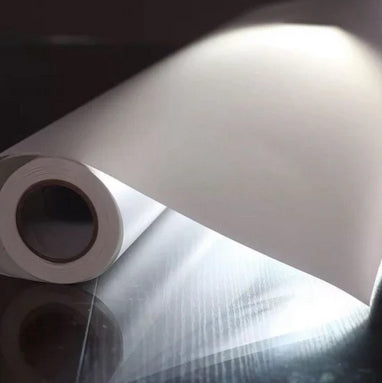
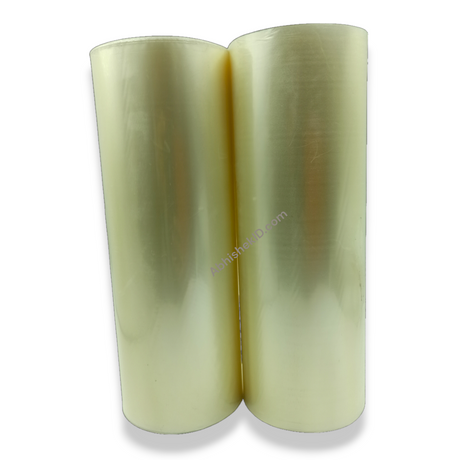
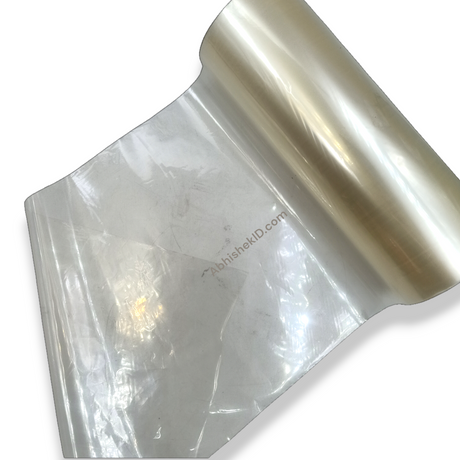
To cut plastic sheets like PP or PVC, use a professional rotary cutter designed for industrial materials. This tool allows you to slice through 800-micron plastic or 1000 GSM paper with minimal physical effort. Unlike standard scissors, the circular blade of a rotary cutter provides a continuous, smooth edge that prevents fraying or jagged corners on garment industry materials.
The rotary cutter is particularly effective for zari paper, which is commonly used in apparel packaging and design. By applying consistent pressure, the blade moves through the plastic or paper fibers without snagging. This is crucial for businesses in Secunderabad and across India that require high-volume production with consistent results. The ability to cut through multiple folds at once significantly reduces production time.
Beginner guide and safety
For beginners, cutting plastic starts with understanding the thickness of your material, measured in microns or GSM. A rotary cutter is the most beginner-friendly tool for 800-micron PVC because it follows a straight line more easily than manual shears. Start by practicing on scrap pieces of PP plastic to get a feel for the pressure required to penetrate the surface in a single pass.
Safety is paramount when using industrial cutters. Always cut away from your body and keep fingers clear of the blade's path. In the context of the Indian garment trade, where zari paper is handled frequently, beginners should focus on maintaining a 90-degree angle between the blade and the cutting mat. This ensures the 1000 GSM paper is cut vertically, providing a professional edge for apparel inserts.
Setup steps
Step-by-step cutting process
- Prepare the Material: Lay your PP, PVC, or zari paper on a flat surface. If you are cutting multiple pieces, you can fold the paper up to four times.
- Align the Cutter: Place the rotary cutter at the starting point of your mark. Ensure the blade is in direct contact with the material.
- Apply Pressure: Grip the handle firmly and push the cutter forward in a single, continuous motion. The blade will rotate and slice through the 800-micron or 1000 GSM thickness.
- Check the Cut: Lift the waste material to ensure a clean separation. If the blade is sharp, the 4-fold zari paper should separate instantly.
How to use the rotary cutter
Best practices for plastic and paper
The best way to use a rotary cutter for plastic is to lay the material on a flat, protected surface and use a steady, pushing motion. For garment industry zari paper, folding the material can speed up the process; a high-quality rotary cutter can easily handle four folds of paper at once. Ensure the blade is sharp, as a dull blade will tear 800-micron PVC rather than cutting it cleanly.
When working with 1000 GSM paper, the density of the material requires a tool that maintains its alignment. The rotary cutter’s design ensures that the force is distributed evenly across the cutting edge. This makes it the superior choice for PP plastic sheets that might otherwise crack or warp under the pressure of traditional cutting tools. Regular blade replacement is recommended to maintain this efficiency.
How the rotary mechanism works
A rotary cutter works by utilizing a circular blade that rotates on an axle as it is pushed across a surface. This rotation reduces the friction compared to a fixed blade, allowing it to glide through dense materials like 1000 GSM paper or 800-micron PVC. The downward pressure from the user is converted into a shearing force that splits the plastic fibers or paper pulp cleanly.
This mechanism is ideal for the garment industry because it handles the unique texture of zari paper without causing the layers to shift. In our Secunderabad facility, we demonstrate how the rotary cutter's blade maintains its edge even when processing tough PP plastic. The tool is designed specifically for these industrial-grade thicknesses that would stall a standard office paper cutter.
Related products
- Industrial Rotary Cutter: (₹ Price available on request) Ideal for garment industry use because it easily slices through 800-micron PVC and 1000 GSM zari paper. This tool is the primary choice for apparel manufacturers needing a clean, professional finish on heavy materials.
- Replacement Rotary Blades: (₹ Price available on request) Essential for maintaining cutting precision because a sharp edge is required to cut through four folds of zari paper without tearing. These blades are designed to fit standard industrial rotary handles supplied by AbhishekID.
Frequently Asked Questions
⚡ Fast Answers Summary
- Yes, a high-quality rotary cutter is specifically designed to cut through heavy materials like 1000 GSM paper.
- The rotary cutters supplied by AbhishekID can comfortably cut PVC sheets up to 800 microns thick.
- No, AbhishekID does not sell zari paper or garment materials.
Yes, a high-quality rotary cutter is specifically designed to cut through heavy materials like 1000 GSM paper. It provides a much cleaner edge than scissors or standard utility knives. This makes it ideal for the thick zari paper used in the Indian garment industry for packaging and structural inserts.
The rotary cutters supplied by AbhishekID can comfortably cut PVC sheets up to 800 microns thick. This thickness is common in industrial applications and apparel manufacturing. For materials thicker than 800 microns, multiple passes may be required, though a single pass is usually sufficient for standard PVC sheets.
No, AbhishekID does not sell zari paper or garment materials. We are specialists in the machinery and tools used to process these materials, such as rotary cutters and replacement blades. Our demonstrations use zari paper to show the power and precision of our cutting equipment for the apparel trade.
Yes, you can cut multiple layers, provided the total thickness does not exceed the blade's capacity. In our demonstrations, we successfully cut through four folds of zari paper in a single motion. This multi-layer cutting capability is a significant time-saver for businesses in Secunderabad handling high volumes of plastic or paper.
The rotary cutter is excellent for PP plastic sheets. PP is known for being durable and sometimes difficult to cut with straight blades, but the rotating action of the rotary cutter slices through it without causing the material to crack or shatter, ensuring a smooth industrial finish.
Blade replacement depends on the volume of material you are cutting. If you notice that you need to apply more pressure or if the 1000 GSM paper is starting to tear rather than cut, it is time for a new blade. Using a sharp blade is essential for safety and for maintaining the quality of your garment industry products.