How to Die Cut PVC ID Cards? A Step-by-Step Guide
How to Die Cut PVC ID Cards? A Step-by-Step Guide
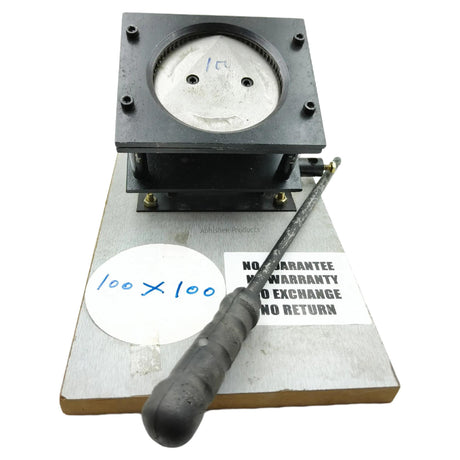
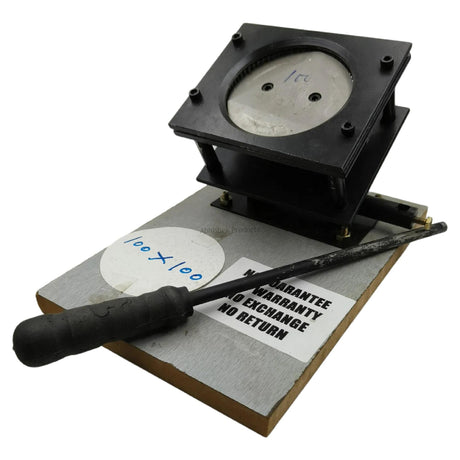
Die cutting is a critical final step in the production of high-quality PVC ID cards. For businesses in Secunderabad and across India, achieving a professional finish requires tools that provide consistency and durability. The PVC ID Card Cutter by Abhishek Products is designed to streamline this process, ensuring that every card meets the standard 54x86mm dimensions required for corporate and government use.
Before you start
For beginners, the most important rule of die cutting is to check the sheet thickness before punching. The PVC ID Card Cutter is designed for standard PVC sheets; attempting to cut materials that are too thick can dull the blade or jam the mechanism. Start by practicing with a scrap sheet to understand how much pressure is required to complete a full cut. You should feel a clean "snap" as the die passes through the material.
Safety is another priority for those new to the process. Keep your fingers clear of the entry slot and the lever's pivot points. The PVC ID Card Cutter 54x86mm is a heavy-duty tool with sharp internal edges. By following a steady rhythm and clearing away the waste plastic after every few cuts, beginners can quickly master the technique and produce professional-grade cards for their clients.
Setup steps
Workstation Setup
Using a stable, flat surface is essential for the best results. Because the PVC ID Card Cutter 54x86mm operates via a manual lever, any wobbling of the table can lead to uneven cuts. Indian print shop owners often bolt these cutters to a dedicated workstation to maximize leverage and ensure that every punch is clean and vertical. This setup reduces physical fatigue during high-volume jobs.
How to use the printer
The step-by-step process of die cutting begins with the preparation of your printed PVC material. Once your ID cards are printed and laminated, follow these specific steps to achieve a perfect finish:
- Sheet Preparation: Trim your PVC sheet into strips if necessary, ensuring they fit into the throat of the cutter.
- Insertion: Slide the PVC strip into the PVC ID Card Cutter 54x86mm from the side or front, depending on your machine's design.
- Visual Alignment: Look through the top opening of the cutter to center the printed ID card design within the die's frame.
- The Punch: Firmly pull the handle downwards in one smooth motion. Avoid hesitating mid-cut, as this can create a rough edge.
- Collection: The finished 54x86mm card will drop through the bottom or stay in the die. Remove it and inspect the edges for smoothness.
To perform die cutting, you place a printed PVC sheet into the slot of a manual die cutter and pull the lever to punch out the card. This process, often referred to as "How Die Cutting" in technical queries, is the most efficient way to convert large sheets into individual, usable ID cards. The machine uses a male-and-female die mold to shear the plastic cleanly without leaving burrs or jagged edges.
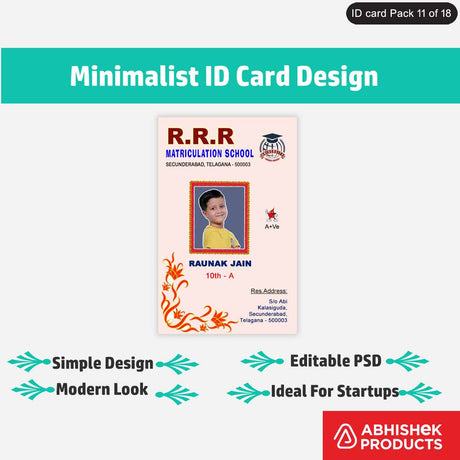
In the Indian market, manual die cutters are preferred for their reliability and lack of electrical dependency. Whether you are producing Aadhar card reprints, school IDs, or corporate badges, the PVC ID Card Cutter 54x86mm provides the necessary force to cut through laminated PVC layers effortlessly. This tool is a staple for small to medium-sized print shops looking to maintain professional standards.
Die cutting works on the principle of shear stress, where a sharp metal die is pressed into a matching mold to cut a specific shape. In the case of the PVC ID Card Cutter 54x86mm, the die is shaped with rounded corners to match the international standard for ID cards. When the lever is pulled, the mechanical advantage of the handle multiplies the user's force, allowing the die to penetrate the tough PVC material cleanly.
This mechanical process is superior to manual scissor cutting or paper trimmers because it guarantees identical dimensions for every single card. In the Indian business context, where cards must fit into standard wallets and cardholders, this precision is non-negotiable. The durability of the Abhishek Products cutter ensures that the die remains sharp over thousands of cycles, making it a cost-effective solution for long-term production.
Troubleshooting or common issues
- Alignment and Off-Center Cuts: The best way to use die cutting is to ensure your printed sheet is perfectly aligned with the cutter's guide marks before applying pressure. Proper alignment prevents the "off-center" look that can ruin a batch of cards. You should always slide the sheet into the cutter from the side, ensuring the printed image sits squarely within the cutting window. This ensures that the 54x86mm finished product has equal margins on all sides.
- Uneven Cuts: Any wobbling of the table can lead to uneven cuts. Ensure the cutter is placed on a stable, flat surface or bolted to a dedicated workstation to ensure every punch is clean and vertical.
- Blade and Mechanism Issues: Attempting to cut materials that are too thick can dull the blade or jam the mechanism. Always check the sheet thickness before punching.
Related products
The PVC ID Card Cutter 54x86mm size (available at AbhishekID.com) is ideal for small businesses and print shops because it offers clean edges and accurate results without the need for electricity. This manual tool is designed for durability and can handle the daily demands of ID card production in busy Indian markets.
The Sk Graphics PVC Cutter (available at AbhishekID.com) is ideal for professional ID card finishing because it features a heavy-duty base that prevents slipping during the die-cutting process. Its precision-engineered die ensures that every card is cut to the exact 54x86mm standard, reducing waste and customer complaints.
Frequently Asked Questions
⚡ Fast Answers Summary
- The standard size produced by the PVC ID Card Cutter is 54x86mm.
- No, the PVC ID Card Cutter is a completely manual machine.
- Yes, the PVC ID Card Cutter is specifically designed to cut through laminated PVC materials.
The standard size produced by the PVC ID Card Cutter is 54x86mm. This is the international standard for identity cards, including Aadhar cards, PAN cards, and corporate employee IDs. Using a dedicated die cutter ensures that every card you produce fits perfectly into standard plastic pouches, lanyards, and wallet slots across India.
No, the PVC ID Card Cutter is a completely manual machine. It uses a lever-action mechanism to provide the necessary force for cutting through PVC sheets. This makes it an ideal choice for Indian print shops where power stability might be an issue, or for businesses looking to keep operational costs low while maintaining high production quality.
Yes, the PVC ID Card Cutter is specifically designed to cut through laminated PVC materials. It is built with high-quality steel dies that can shear through the multiple layers of a standard ID card, including the core sheet and the lamination overlays, without fraying the edges or delaminating the material during the punch.
To maintain the blade, you should keep the cutting area free of plastic debris and dust. Periodically cleaning the die with a soft cloth and ensuring the pivot points of the handle are lightly lubricated will keep the machine running smoothly. Avoid cutting materials other than PVC, such as thick cardboard or metal, as this can dull or chip the precision die.
It is highly recommended to cut only one card at a time. While the machine is powerful, die cutting relies on precise alignment of the printed design within the frame. Cutting multiple sheets simultaneously would likely lead to misalignment, resulting in wasted material and cards that do not meet professional quality standards for your clients.
You can purchase high-quality PVC ID card cutters directly from Abhishek Products at AbhishekID.com. They specialize in ID card printing equipment and offer durable solutions like the 54x86mm die cutter, which is ideal for businesses in Secunderabad and throughout India. Their products are designed for professional use and long-term reliability in print shop environments.