How Does Gold Foil Printing Work With Simple Machines?
How Does Gold Foil Printing Work With Simple Machines?
TL;DR: Gold foil printing is achieved by applying metallic foil to a laser-printed design on ordinary paper using a fusing machine. This process works on both white and black paper at a very low cost for Indian printing businesses.
- Uses standard laser printers and ordinary paper instead of expensive specialty media.
- Supports both gold and copper coating finishes for a premium look.
- Ideal for low-cost or zero-cost production of certificates, cards, and invitations.
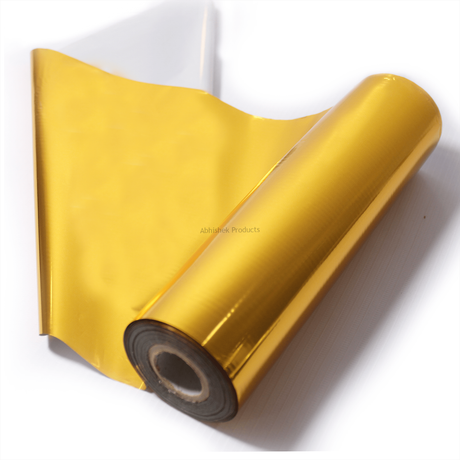
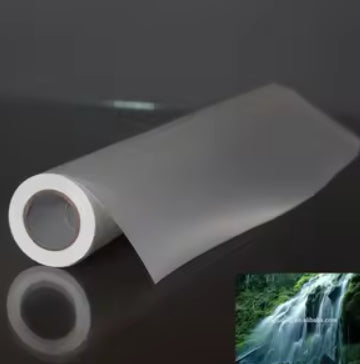
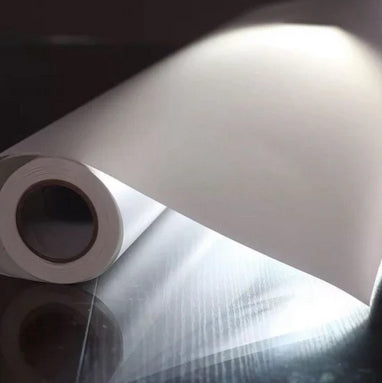
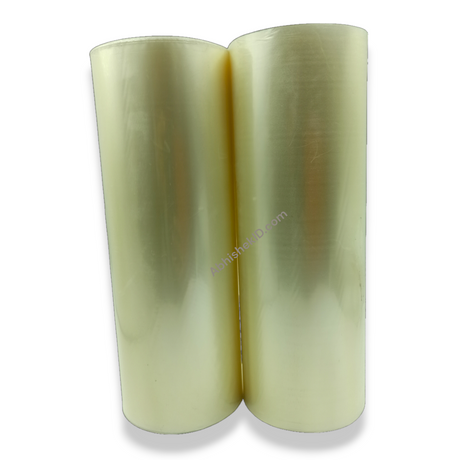
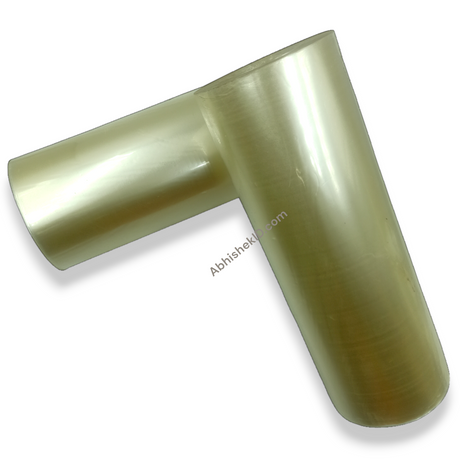
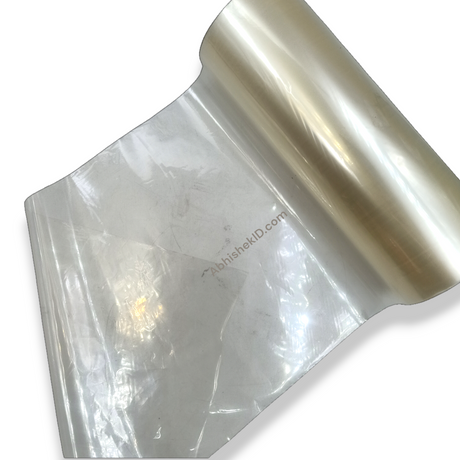
To perform gold foil printing, you must first print your desired design using a laser printer on ordinary paper. Once the design is printed, a sheet of metallic foil is placed over the toner-covered areas and passed through a specialized fusing machine. The heat from the machine bonds the foil directly to the laser toner, creating a professional metallic finish.
This method is highly popular in India because it does not require expensive plates or traditional die-casting. Businesses in Secunderabad and across India use this technique to add value to standard stationery without significant investment in raw materials. The process is compatible with various paper types, including standard white office paper and premium black cardstock.
Before you start
Gold foil printing starts with a high-quality laser print. Because the foil only adheres to the plastic polymers found in laser toner, an inkjet printer cannot be used for this specific process. You can use ordinary paper for this task, as the technique does not rely on "magical" or specialized expensive papers to achieve a metallic effect.
Beginners should start by ensuring they have a reliable laser printer. The density of the black toner is critical; a thicker layer of toner generally results in a more solid and consistent foil transfer. When starting out, it is recommended to test the process on ordinary white paper before moving to more expensive cardstock. Always ensure the foil is placed with the shiny side facing up and the dull side touching the toner. Beginners in the Indian market often find that copper coating is a great alternative to gold for a unique, rustic metallic look that stands out in the local market.
Gold foil printing works through a process called thermal toner transfer. Laser printers use toner, which is essentially a fine plastic powder. When the foiling machine applies heat, this plastic toner reaches its melting point and becomes tacky. The metallic foil has a heat-sensitive adhesive backing that bonds specifically to this melted plastic.
Because the foil only reacts to the heat and the toner, the unprinted areas of the ordinary paper remain clean. This is why the process is so efficient for intricate designs. Whether you are using white paper or black paper, the chemical reaction between the toner and the foil remains the same, ensuring a durable and shiny finish that does not rub off easily.
Setup steps
Step 1: Digital design and laser printing
The first step is to create a digital design using high-contrast black ink. This design must be printed using a laser printer. Standard office paper is perfectly acceptable for this step, as the process is designed to work on ordinary surfaces rather than specialty media. Ensure the printer settings are set to high quality for maximum toner deposition.
Step 2: Foil preparation and placement
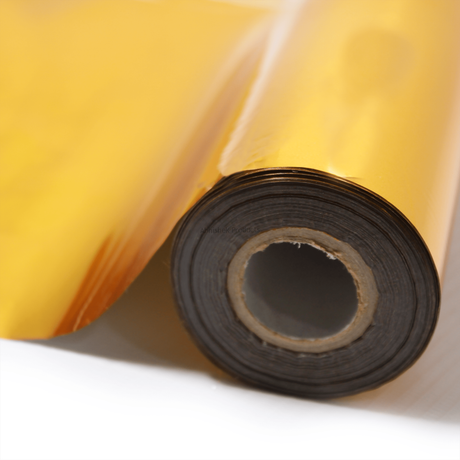
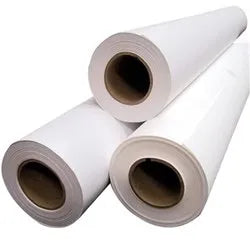
The second step involves cutting the foil to the size of the printed area to minimize waste. Place the foil over the laser-printed design and ensure there are no wrinkles. Ensure the dull side of the foil is touching the toner.
Step 3: Thermal fusing
Finally, pass the paper and foil through the foiling machine. Once the paper exits the machine, allow it to cool for a few seconds before peeling away the excess foil to reveal the metallic finish.
How to use the printer
The best way to use gold foil printing is for high-contrast designs on dark or light backgrounds. Applying gold foil to black paper creates a striking visual contrast that is ideal for luxury business cards and wedding invitations. Since the foil covers the toner completely, the underlying paper color does not bleed through the metallic layer.
For Indian businesses, the most effective use case is for small-batch production of certificates, award letters, and personalized stationery. Using a simple machine from AbhishekID allows for "zero-cost" customization, meaning you only pay for the small amount of foil used rather than expensive setup fees. This makes it the best choice for local print shops catering to schools and corporate offices.
Troubleshooting or common issues
If the print is too light or uses an economy "toner-save" mode, the gold foil may appear patchy or fail to stick entirely. Always ensure the printer settings are set to high quality for maximum toner deposition. If the foil does not adhere, check that you are using a laser printer rather than an inkjet printer, as the process requires the plastic polymers found in laser toner to create a bond.
Related products
- The Laser Toner Printer (Price on Request) is ideal for gold foil printing because it creates the necessary plastic-based foundation for the foil to bond with. It allows for high-resolution designs on ordinary paper, making it a versatile tool for any Indian print shop.
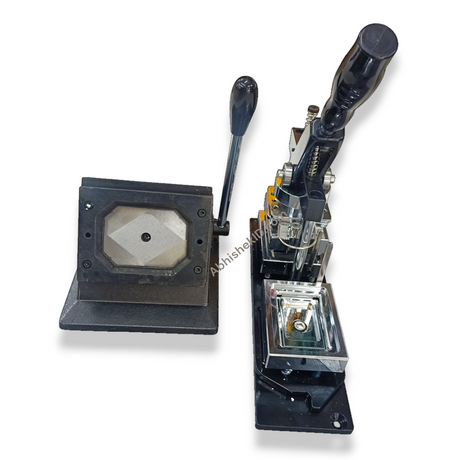
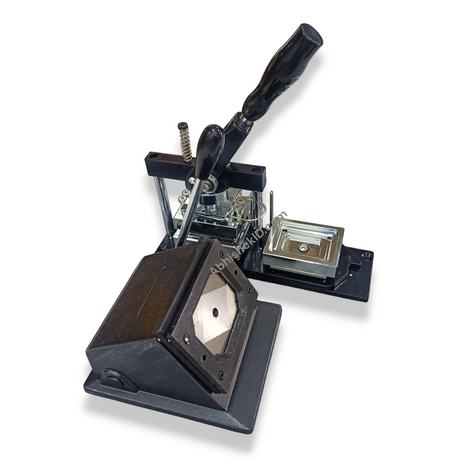
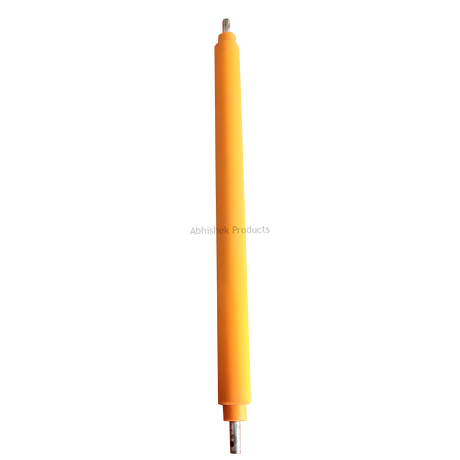
- The AbhishekID Foil Fusing Machine (Price on Request) is ideal for small business use cases because it provides the consistent heat required for gold and copper coating. This simple machine is designed for low-cost operation, allowing users to produce premium results with zero-cost overhead on specialized paper.
Frequently Asked Questions
⚡ Fast Answers Summary
- No, you cannot use a regular inkjet printer for this gold foil printing method.
- No, you do not need any special or magical paper for this gold foil printing technique.
- Gold foil printing is very affordable and can be considered a low-cost or even zero-cost addition to your services.
No, you cannot use a regular inkjet printer for this gold foil printing method. This process requires a laser printer because the foil bonds to the plastic polymers found in laser toner. Inkjet ink is liquid-based and does not contain the necessary binding agents to hold the foil when heated in the machine.
No, you do not need any special or magical paper for this gold foil printing technique. As demonstrated by AbhishekID, ordinary paper works perfectly well. The process is designed to be cost-effective by utilizing standard white or black paper that you likely already have in your office or print shop.
Gold foil printing is very affordable and can be considered a low-cost or even zero-cost addition to your services. Since it uses ordinary paper and a simple machine, the only recurring cost is the foil itself. This makes it an excellent high-margin service for small printing businesses in Secunderabad and other Indian cities.
Yes, the same simple machine used for gold foil printing can also be used for copper coating. The process remains identical: print your design with a laser printer and use copper-colored foil instead of gold. This allows you to offer multiple metallic finishes to your customers using a single piece of equipment.
Yes, gold foil printing works exceptionally well on black paper. In fact, the contrast between the gold metallic finish and the dark background is often more striking than on white paper. The foil completely covers the black toner, ensuring that the gold color remains vibrant and opaque regardless of the paper color.
The main advantage of using a foil fusing machine is the ability to produce professional metallic designs without the need for expensive metal dies. This digital foiling method allows for on-demand printing of single items or large batches, making it much more flexible and cost-effective than traditional hot foil stamping for small Indian businesses.