How to Print Dark ID Card Lanyards Easily?
How to Print Dark ID Card Lanyards Easily?
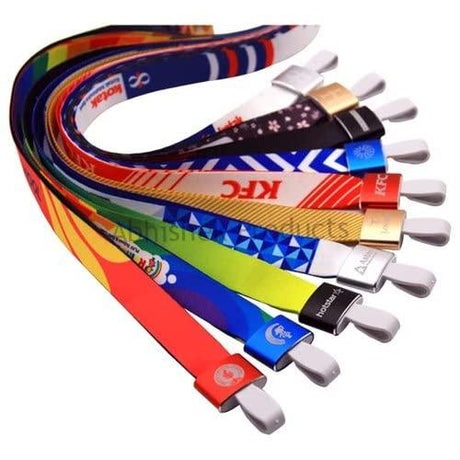
In the Indian ID card industry, achieving a dark and vibrant print on multicolor lanyards is a common challenge for printing units in Secunderabad and beyond. Many businesses struggle with light or faded prints, often blaming their printer settings or ink quality. However, the secret to high-quality lanyard printing lies in the material thickness of the satin dory itself.
Before you start
How to Print High
To print high-quality lanyards, you must prioritize the density of the satin material over software adjustments. Thick quality material (moti quality) naturally absorbs sublimation ink more effectively than thinner alternatives. When you use a dense fabric, the ink settles deep into the fibers, resulting in a dark, professional finish even when using standard printer settings.
Using thick material allows you to achieve maximum darkness without increasing your ink consumption. In the Indian market, where cost-per-print is a critical factor, choosing a superior substrate like thick satin dory ensures that you don't have to waste expensive ink to compensate for poor material quality. This approach is the most efficient way to maintain high standards in bulk lanyard production.
Conversely, if you use thin or cheap material (patla mal), the print will naturally appear lighter. While thin materials often have a high glaze or shine, they lack the fiber density required to hold a heavy ink load. To get a dark print on thin material
⚡ Fast Answers Summary The most common reason for light prints is the use of thin, low-quality satin material. Thin materials have lower fiber density and cannot absorb enough ink to appear dark. To fix this, switch to a thicker 'moti quality' satin dory, which naturally holds more ink and produces a darker, more vibrant finish without needing to change your printer settings. No, thick satin material actually allows you to use less ink to achieve a dark result. Because the fibers are denser, they capture the ink more efficiently. With thin material, you often have to use 'High Quality' settings which deposit more ink just to make the print look acceptable, whereas thick material looks dark even on 'Standard' settings. While shiny or glazed material (patla mal) looks attractive, it is often thinner and more difficult to print on. The glaze can sometimes act as a barrier to ink absorption. For the best printing results, a thick satin material is preferred over a highly glazed thin material, as the thickness ensures a darker and more professional print quality. You can save time by using thick satin material that prints well on 'Standard' or 'Fast' printer settings. Thin materials require 'High Quality' or 'Slow' settings to achieve darkness, which can double your production time. Thick material from AbhishekID allows for faster throughput without compromising on the dark, high-quality look your customers want. Yes, you can generally use the same temperature and time settings for both. However, the results will differ. In the same temperature and time, the thick material will produce a significantly darker print than the thin material. This proves that the material quality is the deciding factor in print darkness, not just the heat press settings. You can purchase premium thick satin dory specifically designed for dark sublimation printing from AbhishekID.com. We are located in Secunderabad and supply high-quality materials to ID card printers across India. You can contact us via WhatsApp at 9848444450 to get the best quality material for your printing business.Frequently Asked Questions