How to Print PVC RFID, NFC, & Mifare Cards?
How to Print PVC RFID, NFC, & Mifare Cards?
Printing professional-grade PVC RFID cards requires a specific combination of thermal printer technology and high-quality consumables. In the Indian market, businesses ranging from corporate offices in Hyderabad to retail chains in Delhi rely on durable identification for security and loyalty programs. Using the correct thermal ribbons ensures that your text, graphics, and security features remain intact over years of daily use.
Before you start
To print PVC RFID cards, you must use a thermal card printer that utilizes a thermal transfer process to bond ink from a ribbon onto the card surface. This process is compatible with various smart cards, including Mifare 1k, NFC, and proximity cards, which are commonly used for access control and time-attendance systems in India.
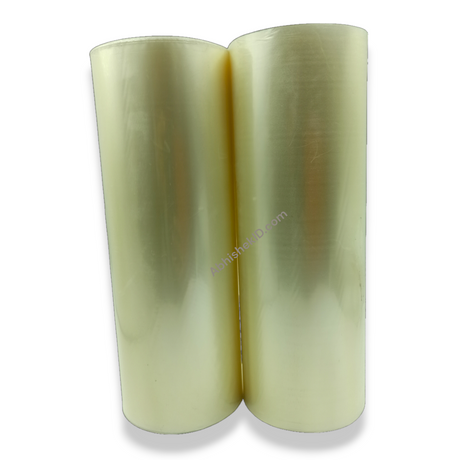
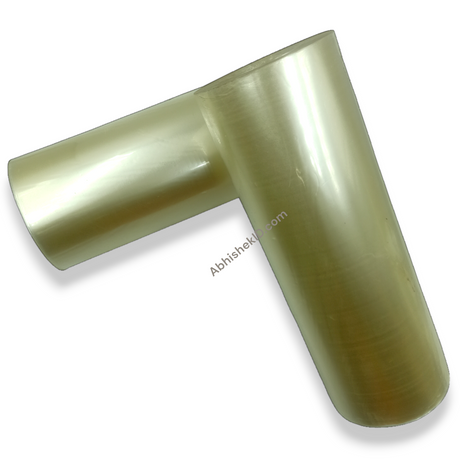
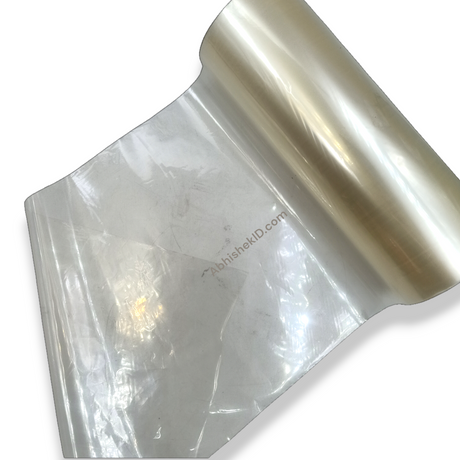
The process of printing PVC RFID cards starts with understanding that the ribbon is the most vital consumable. Evolis thermal ribbons are designed to transfer desired images and text onto plastic cards like ID cards, access badges, and loyalty cards. You should start by identifying the type of card you are using, such as a standard PVC card or a specialized Mifare 1k card.
Ensure the printer is loaded with genuine ribbons. Counterfeit or incompatible ribbons can lead to printer malfunctions and may void your warranty. Genuine ribbons are engineered to minimize the risk of print head damage. Always check the ribbon packaging for compatibility with your specific Evolis printer model.
Setup steps
Step 1: Design the Card
Use your ID card software to create a layout. Ensure that important text or photos are not placed directly over the area where the internal RFID chip is located to avoid slight surface unevenness.
Step 2: Load the Consumables
Open your Evolis printer and insert the genuine thermal ribbon. Ensure the ribbon is tight and correctly seated in the spindles. Load your PVC RFID or Mifare cards into the input hopper.
Step 3: Configure Printer Settings
Access your printer driver settings on the computer. Select the correct ribbon type (monochrome or full-color) and adjust the darkness or heat settings based on the temperature chart provided by your supplier.
Step 4: Execute the Print
Send the print command. The printer will use heat to transfer the ink from the ribbon onto the card surface. This thermal transfer ensures the print is resistant to fading and water.
Step 5: Quality Check
Inspect the card for clarity and adhesion. The print should be sharp and not easily scratched off.
How to use the printer
The best way to use print PVC RFID technology is to match the ribbon type to your specific application requirements while ensuring the printer settings are calibrated for the card thickness. Using genuine Evolis thermal ribbons is the most reliable method to achieve sharp, vibrant, and long-lasting prints that resist water damage and normal wear and tear.
For high-volume applications like visitor management or basic membership cards, monochrome ribbons are the most cost-effective choice. These ribbons allow for single-color printing, typically in black, which is ideal for text and barcodes. If your organization requires high-resolution employee photos or colorful branding, full-color (YMCKO) ribbons are necessary to produce a photographic finish.
Print PVC RFID technology works through a thermal transfer process where a heated print head presses against a specialized ribbon, melting the ink onto the surface of the plastic card. The ribbon itself consists of several panels (Yellow, Magenta, Cyan, Black, and Overlay). As the card passes under the print head, each color is applied one by one. The final 'O' or overlay layer is a clear protective film that seals the print, making it durable for daily swiping or scanning in RFID readers.
Troubleshooting or common issues
Maintain a clean environment as dust is the primary enemy of PVC printing. Since the thermal transfer process involves direct contact between the print head, the ribbon, and the card, any debris can cause white spots or streaks. Regular maintenance, such as using cleaning cards, will extend the life of your printer and maintain the quality of every print.
Abhishek Products provides detailed timing and temperature charts for various machines to help users achieve the perfect bond between the ink and the plastic card surface. They also offer lifetime free support to help beginners troubleshoot any quality issues or printing problems they might encounter during their first few batches.
Related products
- Evolis Full-Color Ribbon: Ideal for employee ID cards because it delivers high-resolution, vibrant images that resist fading and water damage.
- Evolis Monochrome Black Ribbon: Ideal for visitor passes and loyalty cards because it offers a cost-effective solution for high-volume single-color printing.
- Specialized Metallic Ribbon: Ideal for premium membership cards because it adds a high-end security feature and aesthetic appeal that is difficult to replicate.
Frequently Asked Questions
⚡ Fast Answers Summary
- Yes, Evolis thermal ribbons are fully compatible with Mifare 1k and other RFID cards.
- Yes, the prints produced using genuine Evolis thermal ribbons are water-resistant and durable.
- Using genuine ribbons is critical because they are engineered to work seamlessly with Evolis printers.
Yes, Evolis thermal ribbons are fully compatible with Mifare 1k and other RFID cards. The thermal transfer process is designed to print on the plastic surface of these cards without damaging the internal chip or antenna. This makes them ideal for creating secure access control badges for Indian corporate offices.
Yes, the prints produced using genuine Evolis thermal ribbons are water-resistant and durable. The thermal transfer process bonds the ink to the plastic card, creating a finish that resists fading, water damage, and normal wear and tear. This is essential for cards used in outdoor or humid environments across India.
Using genuine ribbons is critical because they are engineered to work seamlessly with Evolis printers. Genuine ribbons ensure optimal performance, minimize the risk of printer malfunctions, and help extend the life of the print head. Using counterfeit ribbons can compromise print quality and may void your printer's warranty.
Monochrome ribbons are used for single-color printing, which is cost-effective for text and barcodes. Full-color (YMCKO) ribbons are used for high-resolution images and photos. Full-color ribbons include a protective overlay layer that adds extra durability to the card, whereas monochrome is typically for simpler, high-volume tasks.
Yes, these ribbons are suitable for printing on proximity cards used for time-attendance and gate entry systems. The thermal transfer technology ensures that the print adheres well to the card surface, providing a professional look for cards that are handled frequently by employees every day.
The thermal transfer process uses heat from the printer's print head to transfer ink from the ribbon onto the card's surface. This ensures a long-lasting bond between the ink and the PVC. This method is the industry standard for plastic card printing because it produces sharp, high-resolution results that are highly durable.