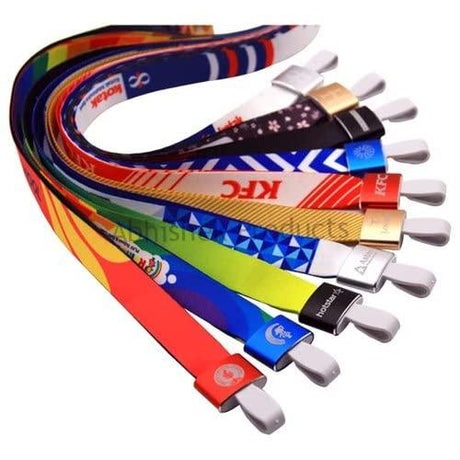
How to Print ID Card Lanyards? Machine Demo & Guide
How to Print ID Card Lanyards? Machine Demo & Guide
Lanyard printing is best achieved using a 12x40 MultiColour Roll to Roll Heat Press machine, which allows for continuous, high-quality transfer of designs onto polyester ribbons.
- Industrial efficiency: Roll-to-roll mechanisms allow for high-volume production without manual repositioning.
- Precision quality: Flawless prints for intricate designs and vibrant multi-color logos.
- Expert support: Abhishek Products offers lifetime free support and detailed timing/temperature charts for all heat press machines.
To perform card lanyard printing effectively, you must use a specialized sublimation heat press machine designed for long, narrow fabrics. The process involves transferring a digital design from sublimation paper onto a polyester lanyard ribbon using high heat and pressure. For professional results in the Indian market, the Lanyard Heat Press 12x40 MultiColour Tag Printing Roll to Roll Machine is the standard choice, as it accommodates the specific dimensions of identification lanyards used in schools and corporate offices.
Successful lanyard printing requires a combination of high-quality sublimation inks, the correct transfer paper, and a heat press that provides even heat distribution across its entire surface. Abhishek Products, located in Secunderabad, provides the necessary equipment and expertise, backed by over 32 years of industry experience, to help businesses set up their own production units. By using a 12x40 bed size, printers can handle multiple lanyards simultaneously or print full-length designs without seams.
Before you start
The process of card lanyard printing starts with selecting the right equipment. You should prioritize a machine that offers a multi-color tag printing capability and a roll-to-roll feature. It is also recommended for beginners to start with high-quality polyester ribbons, as they hold sublimation ink better than nylon or cotton blends. Before starting a full production run, always perform a test print to check for color accuracy. Abhishek Products, with its 32+ years of expertise, suggests that beginners focus on mastering the alignment of the paper and the ribbon to ensure the design is perfectly centered on the lanyard.
Setup steps
Design and Template Preparation
The card lanyard printing step-by-step process begins with the design phase, where you create a high-resolution template. Create a digital layout that matches the width and length of the lanyard ribbon, typically 12mm, 16mm, or 20mm. This design is printed onto sublimation paper in reverse using a dedicated sublimation printer.
Machine Preheating and Calibration
The next step involves setting up the Lanyard Heat Press 12x40 machine by preheating it to the temperature specified in your Abhishek Products guide. Beginners often struggle with temperature settings; therefore, referring to the timing and temperature chart provided by Abhishek Products is the most important step to ensure quality. This chart specifies exactly how many seconds and at what degree Celsius different materials should be pressed.
How to use the printer
- After preheating, place the lanyard ribbon on the heat press bed and align the printed sublimation paper on top of it, design-side down. If using a roll-to-roll machine, thread the materials through the rollers.
- Close the press for the required duration (usually 40-60 seconds).
- Once the timer goes off, carefully remove the paper to reveal the vibrant, permanent print.
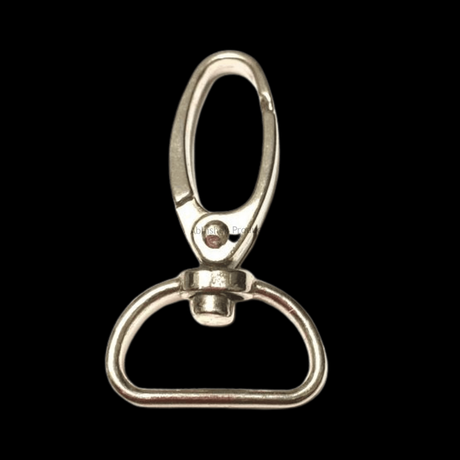
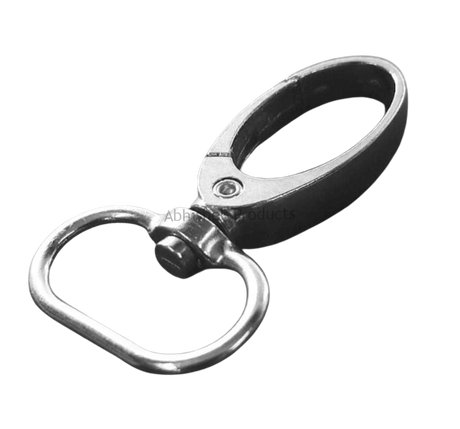
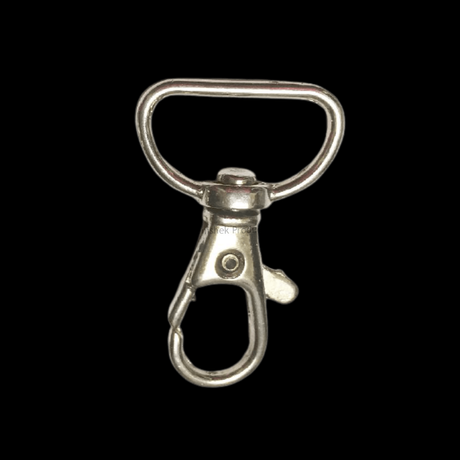
- The final step is to attach the hook or clip to the printed lanyard using a crimping machine or sewing process.
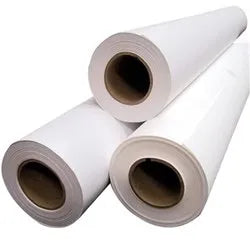
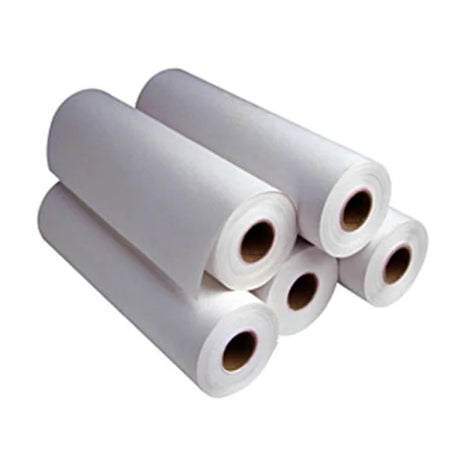
The best way to use card lanyard printing technology is to adopt a roll-to-roll workflow for maximum efficiency and color consistency. This method involves feeding a continuous roll of lanyard ribbon through the heat press alongside a roll of printed sublimation paper. This setup minimizes manual labor and ensures that every inch of the lanyard receives the same amount of heat and pressure, resulting in a uniform product across large batches.
Card lanyard printing works through the scientific principle of sublimation. When the Lanyard Heat Press 12x40 MultiColour Tag Printing Roll to Roll Machine reaches a specific temperature, the solid ink on the transfer paper skips the liquid phase and turns directly into a gas. Simultaneously, the heat opens the pores of the polyester lanyard ribbon, allowing the gaseous ink to penetrate the material. Once the pressure is released and the temperature drops, the pores of the fabric close, and the ink reverts to a solid state, becoming trapped inside the fibers. Unlike screen printing, which sits on top of the fabric, sublimation printing becomes part of the fabric itself.
Troubleshooting or common issues
- Ghosting and Blurred Edges: Using a roll-to-roll machine ensures that the ribbon stays aligned throughout the process. This prevents ghosting or blurred edges, which are common issues when using standard flatbed presses for long items.
- Fabric Damage or Dull Colors: Referring to the timing and temperature chart provided by Abhishek Products is essential to avoid burning the fabric or achieving dull colors.
- Alignment Issues: Precision is key in the Indian printing industry. Mastering the alignment of the paper and the ribbon ensures the design is perfectly centered on the lanyard.
Related products
The Lanyard Heat Press 12x40 MultiColour Tag Printing Roll to Roll Machine is ideal for professional printing setups because it features a specialized long-bed design that prevents the need for multiple presses on a single lanyard. This machine ensures vibrant, edge-to-edge color reproduction for complex corporate logos.
For those looking for innovation and reliability, the equipment provided by Abhishek Products is backed by 32+ years of industry experience. Their machines are designed to handle the high-volume demands of the Indian market, providing consistent results for school IDs, event passes, and corporate branding projects. You can find more information at AbhishekID.com.
Frequently Asked Questions
⚡ Fast Answers Summary
- The most effective machine for this task is a Lanyard Heat Press 12x40 MultiColour Tag Printing Roll to Roll Machine.
- The ideal temperature typically ranges between 180°C to 200°C, depending on the material of the ribbon.
- Yes, you can print on both sides of a lanyard using a heat press.
The most effective machine for this task is a Lanyard Heat Press 12x40 MultiColour Tag Printing Roll to Roll Machine. This specific equipment is designed to handle the long dimensions of lanyards and provides the necessary heat and pressure for sublimation. It is much more efficient than standard flatbed presses for bulk production.
The ideal temperature typically ranges between 180°C to 200°C, depending on the material of the ribbon. Abhishek Products provides a detailed item-wise timing and temperature chart with every machine purchase. This chart is critical for ensuring that the ink transfers correctly without melting the polyester fabric.
Yes, you can print on both sides of a lanyard using a heat press. This is often referred to as double-side ribbon belt heat press printing. You can either print one side at a time or use specialized setups to transfer designs to both sides simultaneously, ensuring the branding is visible regardless of how the lanyard is worn.
You can purchase high-quality lanyard printing machines from Abhishek Products, located at Shop No. 37, Ground Floor, Minerva Complex, S.D. Road, Secunderabad, Telangana. They are the largest in the industry with over 32 years of experience and offer lifetime free support for all their printing equipment.
Yes, you must use sublimation ink for professional lanyard printing. Sublimation ink is designed to turn into gas under heat and bond with polyester fibers. Using standard inkjet or laser ink will not work, as the design will not transfer or stay permanent on the fabric during the heat press process.
Roll-to-roll printing is significantly better for commercial operations because it automates the feeding of the ribbon and paper. This reduces manual errors, ensures perfect alignment, and allows for much faster production speeds compared to manual flatbed pressing, making it ideal for large orders of school or corporate lanyards.