Which Cold Lamination Machine is Best for Photo Studios?
Which Cold Lamination Machine is Best for Photo Studios?
TL;DR: Cold lamination is the process of applying a protective film to media using pressure-sensitive adhesives instead of heat. A 30-inch cold lamination machine is essential for photo studios handling wide-format inkjet prints and heat-sensitive materials. It ensures a bubble-free, moisture-resistant finish for professional photography and commercial documents. Key benefits include protection from wear, preservation of color integrity, and heavy-duty durability for high-volume business use.
How to Best Cold Lamination
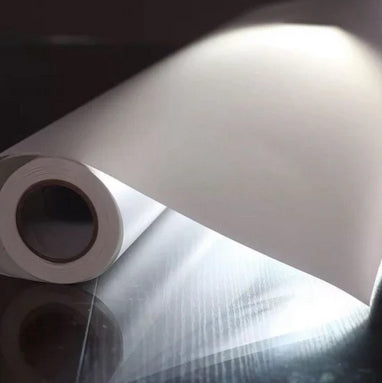
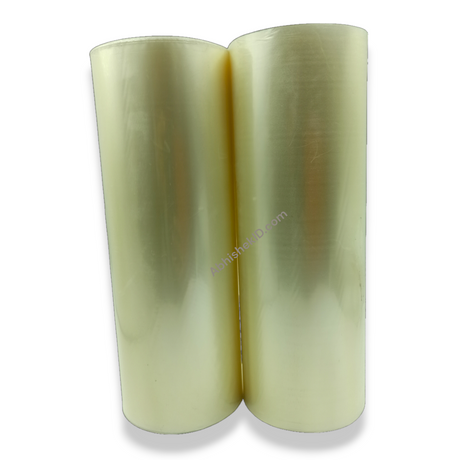
To achieve the best cold lamination, you must use a heavy-duty machine that applies consistent mechanical pressure across the entire surface of the media. Cold lamination utilizes pressure-sensitive adhesive films that do not require heat to bond with the print. This method is the industry standard for protecting professional photography and wide-format inkjet media from environmental damage.
Abhishek Products provides 30-inch cold lamination machines designed specifically for the Indian photo studio market. These machines are built to handle various media types, including ID cards and commercial documents. By avoiding heat, you eliminate the risk of bubbling, silvering, or warping that often occurs with thermal lamination on sensitive inkjet coatings.
The process involves feeding the print and the lamination film through two silicone rollers. These rollers exert even pressure, ensuring the adhesive bonds instantly. This technique is particularly useful for large-format prints where maintaining flat, wrinkle-free results is critical for client satisfaction. Professional studios in Secunderabad and across India rely on this equipment to scale their finishing services.
How to Best Cold Lamination
The most effective way to perform cold lamination is to ensure your media is clean and your rollers are properly adjusted for thickness. Cold lamination is a mechanical process where a plastic film with a sticky backing is pressed onto a document. This is ideal for heat-sensitive materials like vinyl, glossy photos, and certain types of ID card media.
Using a 30-inch machine allows for versatility in a professional environment. You can laminate small items like ID cards or large-format posters without changing equipment. The heavy-duty construction of the AbhishekID.com laminator ensures that the rollers do not flex, which prevents uneven bonding on wider prints. This precision is what defines high-quality lamination in a commercial setting.
To get the best results, always store your lamination film in a dust-free environment. Even small particles can cause visible bumps when the pressure is applied. The 30-inch cold lamination machine from Abhishek Products is engineered to minimize these issues, providing a smooth, professional finish that protects prints from moisture and daily wear.
What is the best way to use Best Cold Lamination
The best way to use a cold lamination machine is to maintain constant tension on the film roll while feeding the media at a steady pace. Proper tension prevents the film from folding or creating air pockets. For wide-format prints, it is recommended to have a flat entry table to support the media as it enters the rollers.
In a photo studio business, efficiency is key. The 30-inch cold laminator allows for rapid processing of multiple prints. When using the machine, ensure the pressure adjustment knobs are set equally on both sides. This balance prevents the media from drifting to one side, which is a common cause of wrinkles in large-format lamination.
For commercial document lamination, the cold process is superior because it does not affect the chemical composition of the inks. Many inkjet prints use dyes that can shift color when exposed to the high temperatures of a hot laminator. By using the cold method, you preserve the exact colors of the original photography while adding a durable, moisture-proof layer.
Best Cold Lamination guide for beginners
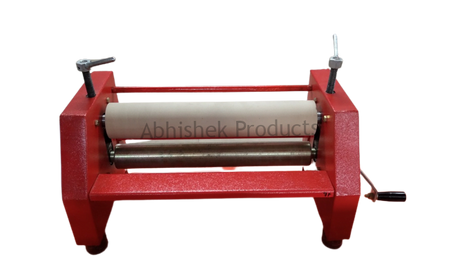
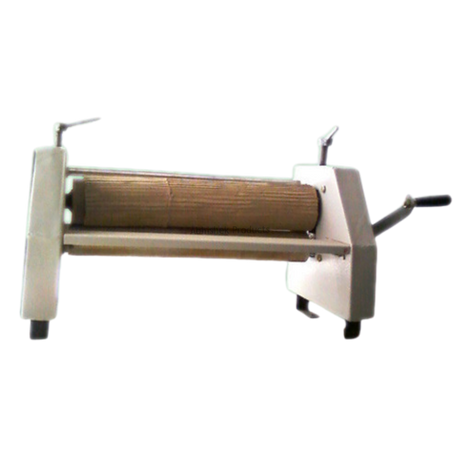
Beginners should start by understanding the components of the cold lamination machine. The primary parts are the top and bottom rollers, the pressure adjustment handles, and the film tensioners. Before starting a professional job, run a test piece of scrap media to ensure the pressure is correctly calibrated for the thickness of your material.
Loading the film is the most critical step for beginners. The adhesive side of the film must face the media. In a 30-inch machine, ensuring the film is centered on the rollers will prevent tracking issues. Abhishek Products offers lifetime free support to help new business owners master these setup procedures, drawing on over 32 years of industry experience.
Safety and cleanliness are paramount. Always keep the rollers clean using a soft cloth and approved cleaning agents. Dust on the rollers will transfer to every print you laminate. As a beginner, focusing on a slow and steady feed rate will yield better results than trying to rush the process. This machine is designed for precision, and taking the time to align your media perfectly will save costs on wasted materials.
Best Cold Lamination step by step
Step 1: Prepare your workspace and ensure the 30-inch cold lamination machine is on a stable, level surface. Clean the rollers to remove any dust or adhesive residue from previous jobs.
Step 2: Load the cold lamination film onto the supply shaft. Ensure the film is oriented so the adhesive side will contact the print. Pull a small amount of film through the rollers to check for alignment.
Step 3: Adjust the roller pressure using the side knobs. For standard photo paper or inkjet media, the rollers should be firm but not overly tight. You want enough pressure to activate the adhesive without crushing the media.
Step 4: Align your print on the entry tray. Slowly feed the leading edge of the print into the rollers while simultaneously turning the hand crank or engaging the motor. Keep the print flat and centered.
Step 5: Once the print has passed completely through the rollers, use a safety cutter to trim the film. Inspect the finished product for bubbles or wrinkles. The heavy-duty rollers of the AbhishekID.com machine are designed to produce a flawless finish in a single pass.
How does Best Cold Lamination work
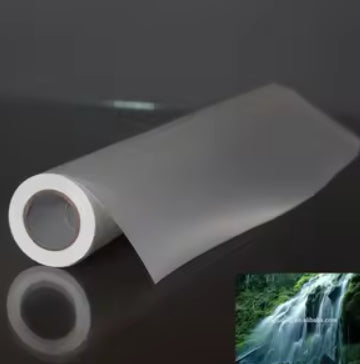
Cold lamination works through the application of high pressure to a pressure-sensitive adhesive film. Unlike thermal laminators that use heating elements to melt glue, cold laminators use the mechanical force of silicone rollers to create a permanent bond between the film and the print. This makes it the safest option for heat-sensitive inkjet media.
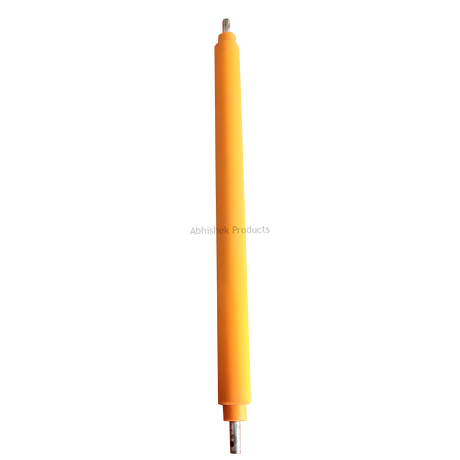
The 30-inch width of the machine allows it to accommodate large-format prints used in advertising and professional photography. The rollers are the heart of the machine; they must be perfectly cylindrical and made of high-quality material to ensure even pressure distribution. If the pressure is uneven, the lamination will fail, resulting in silvering or peeling.
By using this mechanical bonding process, the lamination acts as a shield against moisture, UV light, and physical wear. This is essential for items like ID cards and outdoor signage that are handled frequently or exposed to the elements. The durability of the 30-inch cold lamination machine from Abhishek Products ensures consistent performance for years, making it a reliable investment for any printing business.
Best Products for Cold Lamination
The 30 inch cold lamination machine from Abhishek Products is the ideal choice for photo studios because it handles wide-format inkjet media with precision and durability. This heavy-duty laminator is designed to scale with your business, offering high-quality finishes for professional photography and ID cards.
Investing in this professional equipment guarantees long-lasting results for your clients, protecting their prints from moisture and wear. As a leader in lamination and binding solutions, AbhishekID.com provides this machine as a must-have tool for business owners looking to enhance workflow efficiency and offer premium finishing services.
Frequently Asked Questions
⚡ Fast Answers Summary
- Cold lamination is superior for heat-sensitive materials like inkjet prints and professional photos.
- Yes, you can laminate ID cards using a 30-inch cold lamination machine.
- To prevent bubbles, ensure the rollers are clean and the pressure is adjusted evenly on both sides of the machine.
Cold lamination is superior for heat-sensitive materials like inkjet prints and professional photos. It eliminates the risk of melting, bubbling, or color shifting caused by high temperatures. This process uses pressure-sensitive adhesives, making it safer for a wider variety of media types used in modern photo studios.
Yes, you can laminate ID cards using a 30-inch cold lamination machine. While the machine is wide enough for large prints, it is equally effective for smaller items. This versatility allows a single machine to handle everything from standard ID cards to wide-format commercial posters, maximizing your business's service offerings.
To prevent bubbles, ensure the rollers are clean and the pressure is adjusted evenly on both sides of the machine. Proper tension on the film roll is also critical. Using a heavy-duty machine like those from Abhishek Products ensures the rollers remain stable, which is the best way to achieve a smooth, bubble-free finish.
Yes, cold lamination is excellent for outdoor signage. The pressure-sensitive film creates a moisture-resistant and UV-protective barrier that helps prints withstand environmental exposure. This makes the 30-inch cold lamination machine a vital tool for advertising agencies and print shops producing durable outdoor displays.
Regular maintenance involves cleaning the silicone rollers with a soft, lint-free cloth to remove dust and adhesive buildup. You should also periodically check the tension and pressure settings. Abhishek Products offers lifetime free support to assist with any technical issues, ensuring your machine remains in top working condition for years.
Abhishek Products has over 32 years of experience in the printing and lamination industry, making them the largest and most trusted provider in India. They offer the largest range of high-quality products, lifetime free support, and are constantly innovating with new technology to help clients scale their businesses efficiently.