How to How Cut Plastic
How to How Cut Plastic
Cutting plastic sheets and heavy jari paper is a standard requirement in the Indian garment and apparel industry. Whether you are creating tags, inserts, or structural components for clothing, the precision of your cut determines the quality of the final product. At AbhishekID.com, located in Secunderabad, we provide the specific tools needed to handle these industrial-grade materials.
Before you start
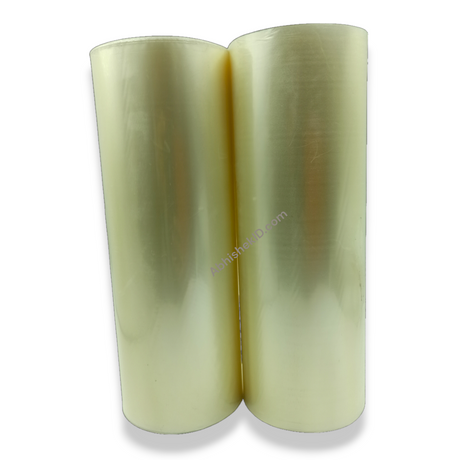
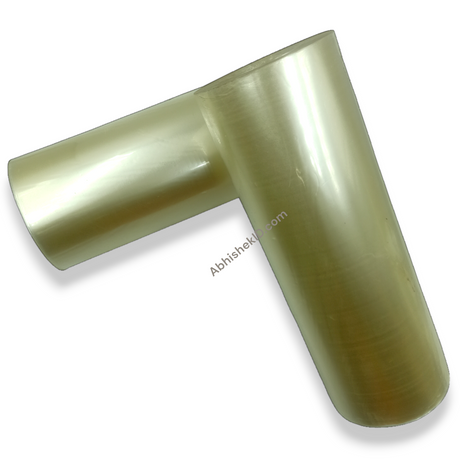
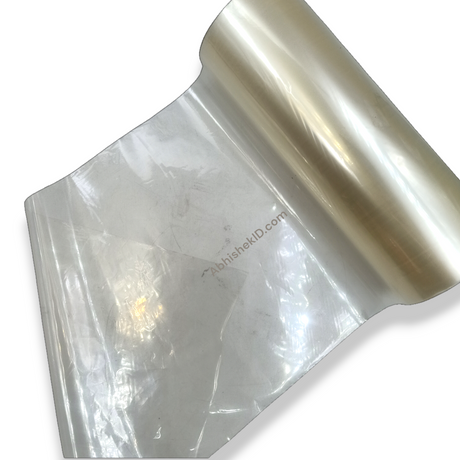
To cut plastic sheets like PP (Polypropylene) or PVC effectively, you must use a rotary cutter designed for high-micron materials. Standard scissors often crack the plastic or leave jagged edges, especially when dealing with 800-micron thickness. The rotary cutter uses a circular blade that applies consistent downward pressure, ensuring a clean shear through the plastic without warping the material.
In the garment industry, plastic inserts are often used to maintain the shape of packed shirts or ethnic wear. Using a rotary cutter allows manufacturers to cut multiple sheets at once, maintaining uniformity across thousands of units. This tool is specifically tested for PP plastic and PVC sheets that are common in Indian manufacturing hubs.
Beginners should start by understanding the material limits of their equipment. A professional rotary cutter from AbhishekID.com is rated for 800-micron plastic and 1000 GSM paper. If you are new to the garment industry, always perform a test cut on a scrap piece of PP or PVC to calibrate the pressure needed for a clean break.
Setup steps
Step 1: Prepare the Material
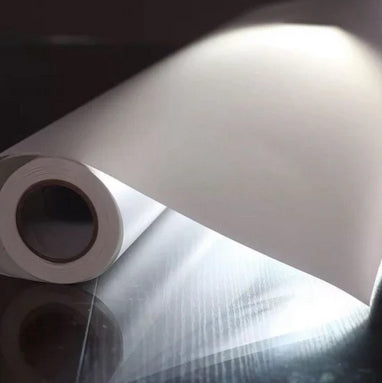
Lay out your PP plastic, PVC sheet, or 1000 GSM jari paper on a flat, stable surface.
Step 2: Fold for Efficiency
If you are cutting multiple pieces of jari paper, fold the sheet into four layers to maximize the output of a single cut.
Step 3: Align the Cutter
Place your guide or ruler along the intended cut line. Position the rotary cutter blade at the start of the material.
Step 4: Execute the Cut
Apply firm downward pressure and push the rotary cutter away from your body in one continuous motion.
Step 5: Check the Edge
Inspect the 800-micron plastic edge for smoothness. A clean cut indicates the blade is in good condition.
How to use the rotary cutter
The best way to use a rotary cutter for plastic is to work on a self-healing cutting mat to protect the blade and the workspace. When cutting jari paper or plastic, applying steady, even pressure is more important than speed. For thick materials like 1000 GSM paper, the rotary blade should be sharp and free of nicks to prevent snagging the fibers of the jari paper.
For bulk garment production, the most efficient method is the folding technique. As demonstrated in our workshop, you can fold jari paper into four layers and cut through all of them in a single pass. This quadruples your production speed while ensuring that every piece is identical in size and shape. This method is ideal for creating collar stays or garment backing boards.
A rotary cutter works on the principle of a rolling shear. Unlike a traditional knife that drags through the material, the circular blade rolls over it. This reduces friction and prevents the plastic or jari paper from bunching up or tearing. This is particularly important for 1000 GSM paper, which is very dense and resistant to standard cutting methods.
The mechanics of the tool allow it to penetrate deep into thick stacks. When you cut through 4-fold jari paper, the blade's rotation ensures that the bottom layer receives the same cutting force as the top layer. This consistency is why rotary cutters are the preferred choice for garment accessory manufacturers in Secunderabad and across India.
Troubleshooting and safety
Safety is paramount when using circular blades. Always keep your fingers away from the cutting path and use a metal ruler as a guide to ensure straight lines. In the Indian apparel market, precision is key for brand reputation, so taking the time to align your jari paper before cutting will reduce waste and save costs on raw materials.
Related products
- Industrial Rotary Cutter: Ideal for garment industry use-cases because it can easily cut through 800-micron PP plastic and 1000 GSM paper. This tool is designed for high-volume environments where durability and precision are required for daily operations.
- Replacement Rotary Blades: Essential for maintaining cutting quality because a dull blade will struggle with PVC and thick jari paper. We supply these blades to ensure your production line never stops due to equipment wear.
Frequently Asked Questions
⚡ Fast Answers Summary
- Yes, a professional rotary cutter is designed to handle heavy-duty materials like 1000 GSM jari paper.
- The rotary cutter can effectively cut plastic sheets up to 800 microns thick.
- No, AbhishekID.
Yes, a professional rotary cutter is designed to handle heavy-duty materials like 1000 GSM jari paper. The circular blade provides enough force to slice through the dense fibers of the paper without tearing.
The rotary cutter can effectively cut plastic sheets up to 800 microns thick. This includes common materials like PP (Polypropylene) and PVC used in apparel packaging.
No, AbhishekID.com does not sell jari paper or garment materials. We are specialists in supplying the machinery, such as rotary cutters and their replacement blades.
As demonstrated in our technical videos, you can easily cut through four folds of jari paper at the same time. This multi-layer cutting capability increases production speed.
Yes, the rotary cutter is highly effective for cutting PVC sheets. The rolling action of the rotary blade prevents the plastic from cracking during the cutting process.
AbhishekID.com supplies the rotary cutter unit, the circular blades, and related machinery components. We focus on the hardware necessary for cutting plastics and heavy papers.