How to Automate ID Card Lanyard Production?
How to Automate ID Card Lanyard Production?
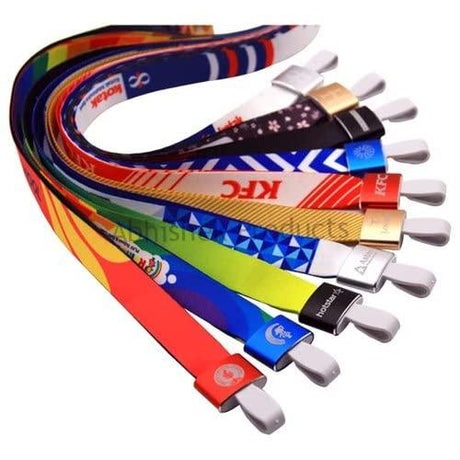
To produce an automatic card lanyard, you must use an electronic tag fitting machine retrofitted for notch pressing. This machine automates the attachment of metal tags to various lanyard types, including sleeve dori and multi-color dori. By replacing manual hand-press methods, this equipment ensures a permanent, professional joint that is difficult to open or break.
In the Indian market, the demand for high-quality lanyards in schools and offices requires a machine that can handle bulk orders efficiently. The AbhishekID automatic lanyard machine is specifically designed to meet these needs by providing a consistent finish across hundreds of units per hour. It eliminates the physical strain of manual pressing while increasing the durability of the final product.
The machine is versatile enough to handle different lanyard widths, such as 12mm, 16mm, and 20mm. This flexibility allows manufacturers in India to cater to diverse client requirements, from slim school lanyards to wide corporate branding doris. The integration of a single-phase motor ensures that the machine can be operated in small workshops or home-based businesses without requiring industrial power upgrades.
Automating card lanyard production involves using a specialized notch pressing machine to secure metal fittings onto the fabric. This process replaces manual stapling or hand-crimping, providing a much stronger and more aesthetic finish for the end user. The machine handles the heavy lifting of the pressing mechanism, ensuring every tag is applied with uniform pressure.
For Indian manufacturers, the transition to an automatic system means higher throughput for sleeve dori and flag dori production. The machine is built to withstand continuous operation, which is essential during peak admission seasons for schools or large corporate events. Because it is retrofitted for ID card lanyards, the alignment of the tag notch is precise every time.
Using this machine also reduces material waste. Manual errors often lead to bent tags or damaged lanyard fabric, but the electronic fitting system provides a controlled environment for the notch pressing. This results in a cleaner look that helps local printing shops compete with larger industrial suppliers by offering premium quality at a local level.
Before you start
Beginners should start by understanding that this machine is a retrofitted electronic tag fitting system designed for simplicity. It runs on a standard single-phase motor, which means you can plug it into any regular wall socket in your shop. There is no complex programming involved; the machine focuses on the mechanical action of notch pressing.
When you first receive the machine, practice with scrap pieces of 12mm or 16mm lanyard material. This helps you get a feel for the timing of the press and the placement of the tag. You will notice that the machine-made joint is significantly better than manual joints, as it creates a tight seal that is nearly impossible to pull apart by hand.
The machine is capable of handling sleeve dori, flag dori, and multi-color dori. Beginners should focus on one type of dori at a time to master the feeding technique. Once you are comfortable with the speed, you can increase your production rate to handle larger volumes. The ease of use makes it an ideal first investment for a growing ID card business in India.
Setup steps
The step-by-step process for using the automatic card lanyard machine begins with preparing your lanyard material and metal tags.
Machine Preparation
- Ensure the machine is connected to a stable single-phase power source.
- Select the appropriate tag notch for your lanyard width, whether it is 12mm, 16mm, or 20mm, to ensure a perfect fit.
Production Process
- Feed the lanyard fabric through the tag and position it under the pressing head.
- Activate the machine to perform the notch pressing action. The electric motor provides the necessary force to crimp the metal tag permanently onto the fabric. This process takes only a few seconds per unit, allowing for rapid production cycles.
- Finally, inspect the joint for quality. A successful press will show a clean notch that holds the fabric firmly without any sharp edges.
- Repeat this process for the entire batch.
How to use the printer
The best way to use an automatic card lanyard machine is to match the tag size correctly with the lanyard width, typically 12mm, 16mm, or 20mm. Ensuring the fabric is centered within the notch pressing area before activating the electric motor will result in the most secure joint. Consistent feeding of the material allows the single-phase motor to maintain its rhythm for maximum efficiency.
For multi-color dori or flag dori, it is important to ensure the printed design is properly aligned so the tag does not obscure critical branding elements. The machine’s open design allows the operator to see exactly where the notch will be pressed, which is vital for high-end custom orders. This visual control is a significant advantage over older, fully enclosed industrial models.
Regular maintenance of the single-phase motor is also part of the best usage practices. Since the machine is designed for easy local repair in India, keeping the moving parts lubricated and the electrical connections secure will prevent downtime. AbhishekID provides support for these machines, ensuring that even beginners can maintain the equipment without needing specialized engineering knowledge.
The automatic card lanyard machine works through a retrofitted electronic fitting mechanism powered by a single-phase motor. When activated, the motor drives a pressing head that applies high pressure to a metal tag notch. This pressure deforms the metal around the lanyard fabric, creating a mechanical bond that is much stronger than traditional manual joints.
The internal mechanics are optimized for the specific thicknesses of ID card doris, including sleeve and flag types. The single-phase motor is the heart of the system, providing consistent torque to ensure every press is identical. This consistency is what gives the lanyards their professional, factory-finished appearance that clients in India expect for corporate branding.
Because the machine is an electronic fitting system, it reduces the physical effort required by the operator. Instead of using body weight or hand strength to crimp the tags, the motor does the work. This allows for longer production hours without operator fatigue, making it a highly efficient solution for businesses located in busy hubs like Secunderabad or other major Indian cities.
Related products
- The Electronic Tag Fitting Machine (Retrofitted) is ideal for lanyard manufacturing because it supports 12mm, 16mm, and 20mm tag sizes with
Frequently Asked Questions
⚡ Fast Answers Summary
- This machine is designed to produce sleeve dori, flag dori, and multi-color dori.
- The machine supports the most common lanyard widths in the Indian market, specifically 12mm, 16mm, and 20mm.
- No, the machine runs on a single-phase motor.
This machine is designed to produce sleeve dori, flag dori, and multi-color dori. It is versatile enough to handle various fabric types used in the Indian ID card industry. The retrofitted mechanism ensures that the notch pressing is effective regardless of the lanyard's color or printing style.
The machine supports the most common lanyard widths in the Indian market, specifically 12mm, 16mm, and 20mm. This range covers everything from standard school lanyards to premium corporate lanyards. The notch pressing head is designed to accommodate these specific sizes for a secure fit.
No, the machine runs on a single-phase motor. This means it can be operated using a standard electrical outlet found in most Indian homes and small shops. You do not need to install a three-phase industrial power connection to start your lanyard manufacturing business.
The joint quality is significantly better than manual joints. The electronic fitting machine provides uniform pressure that creates a joint that is very difficult to open. This results in a more durable product that can withstand daily wear and tear in school or office environments.
Yes, the machine is designed for easy local repair. Since it uses a standard single-phase motor and mechanical pressing components, most local technicians in India can service it. Additionally, AbhishekID provides support and guidance for maintenance and troubleshooting.
Yes, the machine is very easy to use and does not require advanced technical skills. The operation is straightforward, focusing on feeding the material and activating the press. Beginners can quickly learn the process and start producing professional-grade lanyards within a very short time.