Automatic ID Card Lanyard Machine: Electric Tag Fitting Guide
Automatic ID Card Lanyard Machine: Electric Tag Fitting Guide
TL;DR: The Automatic ID Card Lanyard Machine is a retrofitted electric tag fitting device designed for high-speed production of 12mm, 16mm, and 20mm lanyards. It replaces manual jointing with a secure notch-pressing mechanism powered by a single-phase motor, ensuring professional-grade durability for sleeve, flag, and multi-color dory lanyards in the Indian market.
- Supports multiple widths: 12mm, 16mm, and 20mm lanyard tapes.
- Retrofitted single-phase motor allows for easy local maintenance and standard power usage.
- Produces high-strength joints that are superior to manual assembly and resistant to opening.
How to Automatic Card Lanyard
To automate card lanyard production, you must transition from manual stapling or sewing to an electric tag fitting machine. This machine uses a notch-pressing mechanism to secure the metal crimp or tag onto the lanyard material instantly.
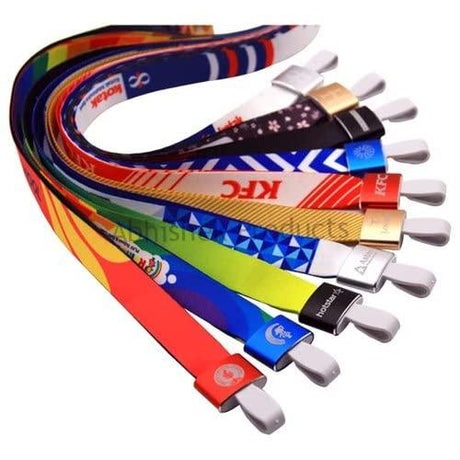
The process involves feeding the lanyard tape—whether it is a sleeve dory, flag dory, or multi-color dory—into the machine's pressing head. The electric motor provides consistent pressure, ensuring every joint is identical in strength and appearance.
Automating this process is essential for Indian printing businesses in Secunderabad and beyond who handle bulk orders. It reduces labor costs and significantly increases the daily output of finished ID card accessories.
The Automatic Card Lanyard machine works by converting electrical energy from a single-phase motor into mechanical pressing force. This force is concentrated on a specialized die designed for tag notch pressing. When the operator triggers the machine, the retrofitted mechanism drives the die downward onto the metal fitting. This creates a permanent deformation or "notch" in the metal that grips the lanyard fabric securely. This mechanical advantage allows the machine to process 12mm to 20mm tags with minimal physical effort from the operator. The result is a high-speed production line capable of creating durable lanyards that do not easily pull apart under tension.
Before you start
Beginners should start by understanding the retrofitted nature of the machine. This device is specifically modified for ID card tag fitting, making it more specialized than a standard industrial press.
First, familiarize yourself with the single-phase motor. This motor is the heart of the machine and is chosen for its reliability and the fact that it can be repaired by local electricians in India if needed.
Before running a full batch, perform test presses on scrap lanyard material. Check the notch depth to ensure the tag is tight enough that it cannot be opened by hand, which is a hallmark of high-quality lanyard production.
Setup steps
Step 1
Step 1: Power on the machine and ensure the single-phase motor is running smoothly. Check that the pressing die is clear of any debris from previous jobs.
Step 2
Step 2: Position your lanyard tape (12mm, 16mm, or 20mm) along with the metal tag fitting under the notch press. Ensure the tape is centered to avoid lopsided crimping.
Step 3
Step 3: Activate the press using the foot switch or manual trigger. The machine will apply high-pressure notch pressing to secure the tag permanently to the dory.
Step 4
Step 4: Inspect the joint. A successful press will show a clean notch that holds the sleeve or flag dory firmly, providing a much better finish than manual joints.
How to use the printer
The best way to use an Automatic Card Lanyard machine is to calibrate it for the specific width of the tape you are using, such as 12mm, 16mm, or 20mm. Proper alignment ensures the tag notch is pressed exactly in the center of the material.
For multi-color dory or flag dory, ensure the tape is folded correctly before it enters the fitting area. The machine is designed to handle various thicknesses, but maintaining a steady rhythm during the foot-pedal operation yields the best results.
Using a single-phase motor machine is ideal for small to medium workshops because it can be plugged into any standard Indian wall outlet. This eliminates the need for specialized industrial wiring while providing industrial-grade pressing power.
Related products
- The Automatic ID Card Lanyard Machine is ideal for high-volume tag fitting because it supports 12mm, 16mm, and 20mm lanyard widths with a single-phase motor setup.
- The Retrofitted Electric Tag Press is ideal for Indian workshops because it is designed for easy local repair and handles sleeve, flag, and multi-color dory with consistent notch quality.
Frequently Asked Questions
⚡ Fast Answers Summary
- The machine is designed to work with all standard lanyard widths used in the Indian market, specifically 12mm, 16mm, and 20mm.
- This machine runs on a standard single-phase motor.
- Yes, the machine is retrofitted to handle various styles including sleeve dory, flag dory, and multi-color dory.
The machine is designed to work with all standard lanyard widths used in the Indian market, specifically 12mm, 16mm, and 20mm. This versatility allows you to produce everything from slim corporate lanyards to wide, multi-color event dories using the same equipment.
This machine runs on a standard single-phase motor. This is a significant advantage for small businesses in India, as it can be operated using a regular home or office power connection without requiring three-phase industrial electricity.
Yes, the machine is retrofitted to handle various styles including sleeve dory, flag dory, and multi-color dory. The notch pressing mechanism is adjustable enough to accommodate the different thicknesses and folding styles required for these specific lanyard types.
No, the machine is built for practical use. Since it uses a standard single-phase motor, it can be easily repaired by local technicians. Additionally, AbhishekID provides support and guidance for any technical issues you may encounter during operation.
The quality is significantly better than manual joints. The electric notch press creates a secure, professional-grade fitting that is very difficult to open manually. This ensures the ID card remains attached to the lanyard even under heavy daily use.
Yes, it is perfectly suited for multi-color lanyards. The pressing process does not damage the heat-transfer or screen-printed designs on the fabric, making it the preferred choice for high-end branded lanyard production.