✨ Featured Products


How to Cut ID Cards Fast? Manual ID Cutter Guide
How to Cut ID Cards Fast? Manual ID Cutter Guide
TL;DR: The best way to cut ID cards is using a manual PVC die cutter, which produces a standard 54x86mm finished product in approximately 15 seconds. These machines utilize a single metal body construction to handle thicknesses ranging from 250 to 350 microns. By aligning the printed sheet within the die and applying lever pressure, users achieve clean, rounded edges essential for professional identification cards in the Indian market.
How to Best Way Cut
The best way to cut PVC ID cards is through a manual die-cutting process that ensures a consistent 54x86mm dimension. This method replaces manual scissors or paper trimmers, which often result in uneven edges or incorrect sizing. For businesses in India, using a dedicated cutter is the standard for producing Aadhaar-sized identification cards efficiently.
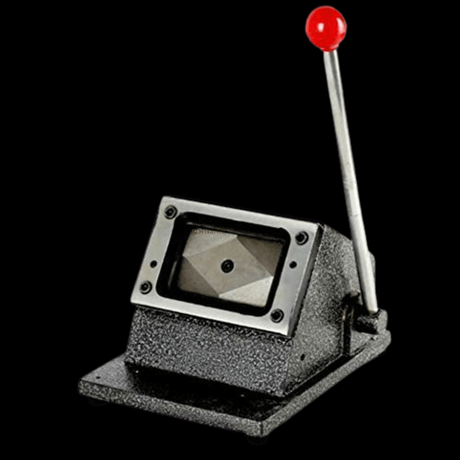
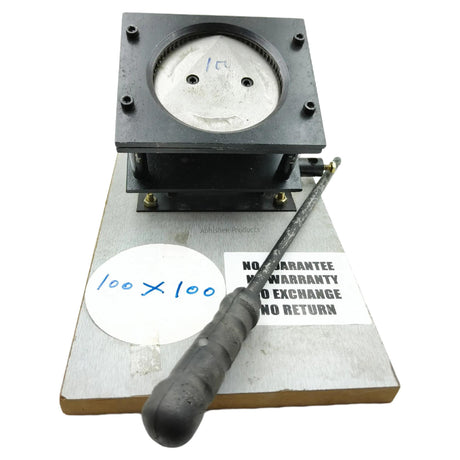
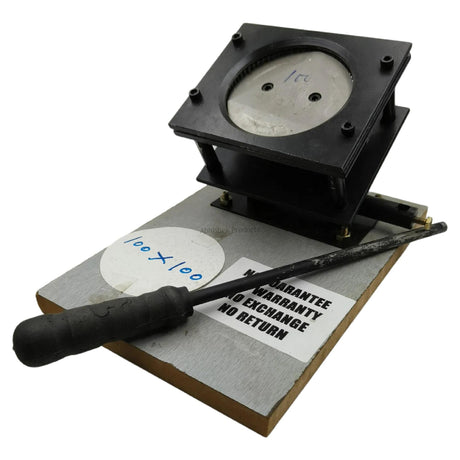
Using a 54X86 mm Pvc Id Card Cutter 250 Mic Capacity Single Metal Body For Pvc Id Cards allows for a 15-second turnaround per card. This speed is critical for high-traffic environments like school registration centers or corporate security offices in Secunderabad. The single metal body provides the necessary weight and stability to prevent the machine from shifting during the cutting stroke.
What is the best way to use Best Way Cut
The best way to use this cutting method is to ensure your printed PVC sheet is properly aligned with the die window before applying pressure. Proper alignment prevents the cutting of critical text or photos. You should place the machine on a flat, sturdy surface to maintain leverage during the downward stroke of the handle.
For high-volume operations, the Heavy Duty 54x86mm PVC ID Card Die Cutter - 350 Micron High Volume Capacity is recommended. This machine is designed to handle thicker laminates without straining the internal spring mechanism. Regular cleaning of the die area ensures that no PVC debris interferes with the precision of the cut. This is a vital part of Empowering Your Business with Quality ID Card Production.
Best Way Cut guide for beginners
Beginners should start by verifying the micron thickness of their PVC material. Standard ID cards often use 250-micron sheets, while premium cards may require 350-micron capacity. A beginner's guide focuses on the "insert, align, and press" workflow. Always ensure the printed side is facing upwards so you can visually confirm the positioning through the cutter's opening.
Before you begin cutting, it is essential to understand the assembly of your equipment. You can learn How To Assemble Heavy Duty 350 Micron Die Cutter For ID Cards Best Quality Buy @ abhishekid.com to ensure all bolts and the handle are securely fastened. A loose handle can lead to jagged edges or incomplete cuts, which wastes material and increases costs.
Best Way Cut step by step
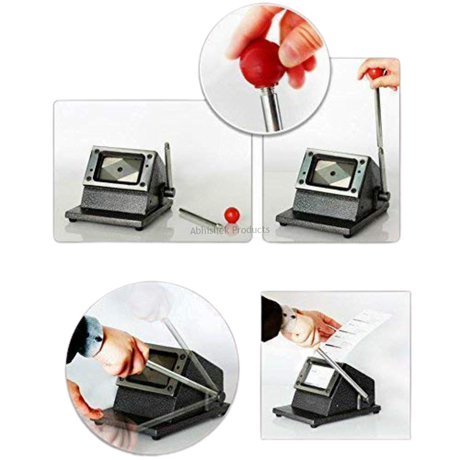
- Sheet Preparation: Take your printed and fused PVC sheet. Ensure the sheet has cooled if it just came out of a fusing machine.
- Insertion: Slide the PVC sheet into the slot of the 54X86 mm Pvc Id Card Cutter 250 Mic Capacity Single Metal Body For Pvc Id Cards.
- Visual Alignment: Look through the top die window to center the card design within the 54x86mm frame.
- Execution: Firmly pull the handle downward in one smooth motion. The 50:1 leverage ratio assists in cutting through the plastic with minimal effort.
- Collection: Retrieve the finished card from the bottom collection tray. The edges will be automatically rounded to the standard CR80 specification.
How does Best Way Cut work
The mechanism works on a die-punch principle where a hardened steel blade shaped in a 54x86mm rectangle passes through a matching opening. This shearing action creates a clean break in the PVC material. The manual lever provides mechanical advantage, making it possible to cut through 350-micron thick plastic without industrial power sources.
This process is often the final step after using a fusing machine. To understand the preceding steps, you can Master the Art of PVC ID Card Creation with Our Fusing Machine. The synergy between the fusing and cutting stages determines the final durability and professional appearance of the ID card. The single metal body construction of the cutter ensures that the die remains perfectly aligned over thousands of repetitions.
Best Products for ID Card Cutting
The 54X86 mm Pvc Id Card Cutter 250 Mic Capacity Single Metal Body For Pvc Id Cards (₹Contact for price) is ideal for standard office use because it features a 50:1 leverage ratio and a durable single metal body.
The Heavy Duty 54x86mm PVC ID Card Die Cutter - 350 Micron High Volume Capacity (₹Contact for price) is ideal for high-volume printing shops because it offers a 350 Micron high volume capacity for thicker card stocks.
Frequently Asked Questions
⚡ Fast Answers Summary
- The standard size produced by these manual cutters is 54x86mm.
- Yes, you can cut 350-micron sheets if you use the heavy-duty model.
- It takes approximately 15 seconds to cut a single ID card once the sheet is aligned.
The standard size produced by these manual cutters is 54x86mm. This is the international CR80 standard used for credit cards, Aadhaar cards, and corporate ID badges in India. Using a dedicated cutter ensures every card fits perfectly into standard ID holders and wallets.
Yes, you can cut 350-micron sheets if you use the heavy-duty model. The Heavy Duty 54x86mm PVC ID Card Die Cutter is specifically designed for high-volume capacity and thicker materials. Standard cutters may struggle with 350 microns, leading to faster blade wear.
It takes approximately 15 seconds to cut a single ID card once the sheet is aligned. The manual die-cutting process is significantly faster than using a paper trimmer because it cuts all four sides and rounds the corners in one single motion.
No, these ID card cutters are completely manual and do not require electricity. They use a lever-action handle to provide the force necessary to punch through the PVC, making them ideal for mobile ID card printing setups.
Maintenance involves keeping the die area free of PVC dust and occasionally lubricating the moving joints of the handle. You should avoid cutting materials other than PVC to prevent dulling the precision die.
Yes, the cutters feature a single metal body construction designed for longevity. The metal frame does not flex under pressure, ensuring the die remains aligned for thousands of cuts in a professional environment.