How to Make Durable ID Cards & Stickers?
How to Make Durable ID Cards & Stickers?
The "Come What May" philosophy in ID card printing refers to the absolute durability of the materials used. For businesses in Secunderabad and across India, ensuring that an ID card or product label survives the monsoon and daily wear is a top priority.
Before you start
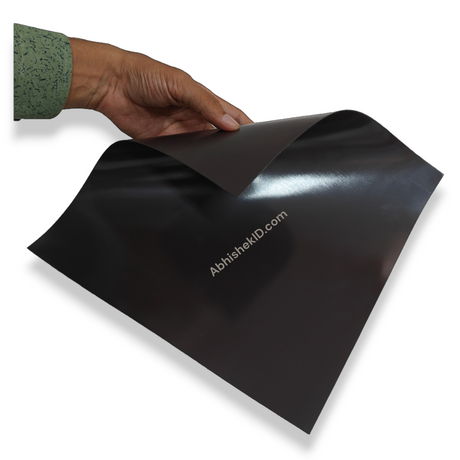
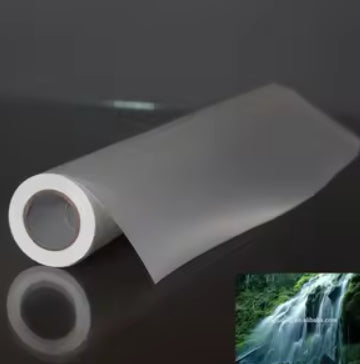
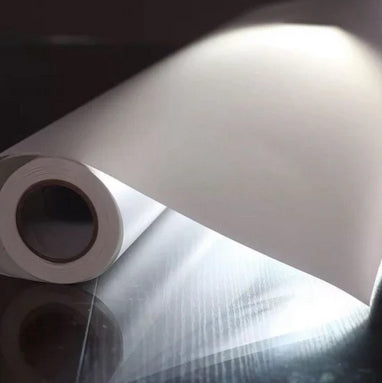
To achieve a "Come What May" level of durability, you must use AP Sticker or AP Film, which are synthetic A4 sheets designed to be waterproof and non-tearable. These sheets allow you to print high-quality, sticky ID cards using any standard inkjet printer available in your office or shop.
By utilizing the AP Sticker, you eliminate the risk of ink bleeding or the material disintegrating when exposed to moisture. This is particularly useful for employee ID cards that are handled frequently or product labels that may be stored in humid environments.
The process involves printing directly onto the A4 self-adhesive sheet, which can then be pasted onto a rigid base or used as a standalone label. This method is cost-effective for small businesses because it does not require expensive specialized thermal printers; your existing inkjet setup is sufficient.
The "Come What May" durability works because of the specialized coating on the AP Film and AP Sticker. This coating is engineered to be microporous, allowing inkjet ink to penetrate and lock into the synthetic fibers of the sheet, making it waterproof once dry.
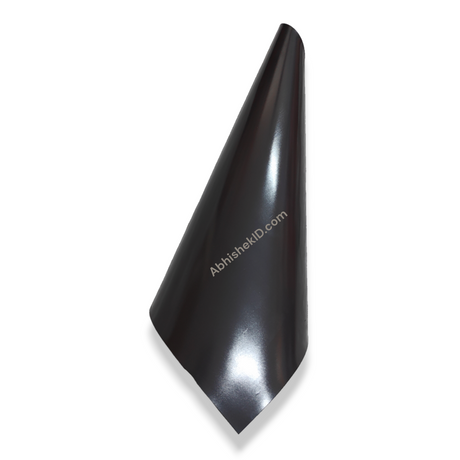
Unlike paper, which absorbs water and swells, the synthetic base of the AP Sticker remains stable. This non-tearable property is achieved through a polymer-based construction that resists stretching and ripping. Even under significant physical stress, the sheet will not yield, ensuring your branding or identification remains intact.
This technology is essential for Indian businesses located in coastal or high-rainfall areas. By using these materials, you are investing in a product that survives where traditional paper fails. The self-adhesive backing uses a high-tack glue that creates a permanent bond with plastics, metals, and cardboards, making it a versatile tool for any labeling requirement.
Setup steps
Beginner preparation
For beginners, the "Come What May" approach starts with understanding that you do not need a heavy industrial machine to produce professional-grade stickers. The AP Sticker is a user-friendly A4 sheet that functions just like standard paper in your printer tray but offers synthetic durability.
Begin by designing your layout on a computer using standard design software. Ensure that you maximize the A4 space to reduce waste, especially when printing smaller items like branding stickers or labels. Once your design is ready, simply load the AP Sticker sheet into your inkjet printer.
Step-by-step process
- Select the AP Sticker or AP Film based on whether you need a self-adhesive backing or a standard film finish. Load the sheet into your inkjet printer, ensuring the printable side is correctly oriented.
- Print your design using high-quality settings to ensure the ink saturation is optimal for the synthetic surface. Although the material is waterproof, allowing the ink to dry for a few moments ensures the bond is permanent.
- Cut the sheet into the desired shapes using a paper cutter or a pair of scissors.
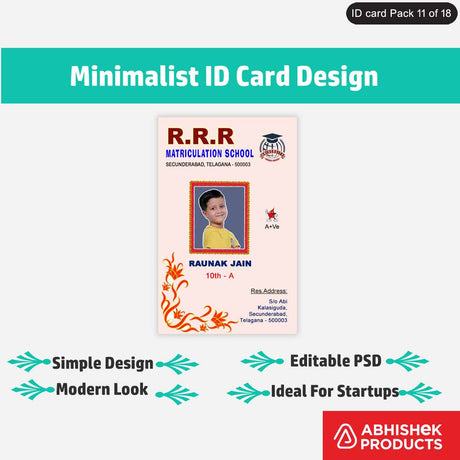
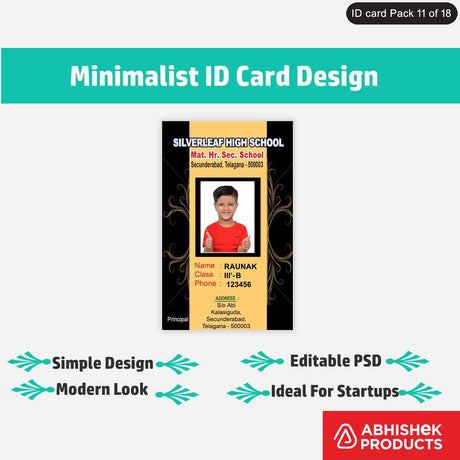
- If you are using the self-adhesive version, peel the backing and apply the sticker to a clean, dry surface. For ID cards, you can paste the printed sticker onto a PVC core or a thick cardstock to give it rigidity. This step-by-step method ensures that your final product is both professional in appearance and "Come What May" in its durability.
How to use the printer
The best way to use "Come What May" materials is to integrate them into your branding and identification workflow for items that require long-term resilience. AP Sticker sheets are most effective when used for creating product stickers, branding labels, and gifting stickers that need to maintain their visual appeal over time.
For professional results, ensure your printer settings are optimized for high-resolution output. Since the AP Film is non-tearable, it provides a structural integrity that standard paper labels cannot match. This makes it the superior choice for industrial labels or school ID cards where students might subject the cards to rough handling.
In the Indian market, where temperature and humidity fluctuate, the self-adhesive nature of these sheets ensures they stay bonded to the surface. Whether you are labeling spice jars or creating membership cards, the adhesive is formulated to withstand local environmental conditions without peeling at the edges.
It is important for beginners to note that these sheets are self-adhesive. This means once you print and cut your design, you can immediately peel and paste it onto your target surface. This "pasting" method is the fastest way to create sticky ID cards for events, seminars, or small office staff without needing a lamination machine for basic use.
Related products
- The AP Sticker (₹ Price available on request) is ideal for making product stickers and branding labels because it features a waterproof, non-tearable self-adhesive A4 sheet compatible with any inkjet printer.
- The AP Film (₹ Price available on request) is ideal for professional ID card making because it provides a durable, non-tearable base that ensures the card will not yield to daily wear and tear.
Frequently Asked Questions
⚡ Fast Answers Summary
- Yes, AP Sticker is designed to work with any standard inkjet printer, including popular brands like Epson, HP, and Canon.
- Absolutely.
- No special machinery is required to cut AP Film or AP Sticker sheets.
Yes, AP Sticker is designed to work with any standard inkjet printer, including popular brands like Epson, HP, and Canon. The specialized coating ensures that the ink adheres correctly to the synthetic surface without smudging, provided you use the correct print settings for glossy or high-quality media.
Absolutely. Because the AP Sticker is both waterproof and non-tearable, it is highly suitable for outdoor applications. It can withstand exposure to rain and humidity without the ink running or the material falling apart, making it perfect for branding items that may be stored outside.
No special machinery is required to cut AP Film or AP Sticker sheets. You can use standard office equipment such as a manual paper trimmer, a pair of scissors, or even a die-cutting machine for more complex shapes. The material is tough but can be cut cleanly with sharp blades.
The non-tearable property comes from its synthetic polymer base. Unlike traditional paper, which is made of wood fibers that easily pull apart, the AP Sticker is constructed from a durable plastic-like film. This ensures that the sheet will not yield or rip even when subjected to significant pulling or stress.
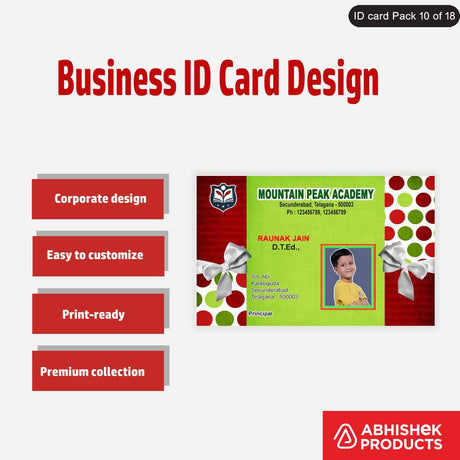
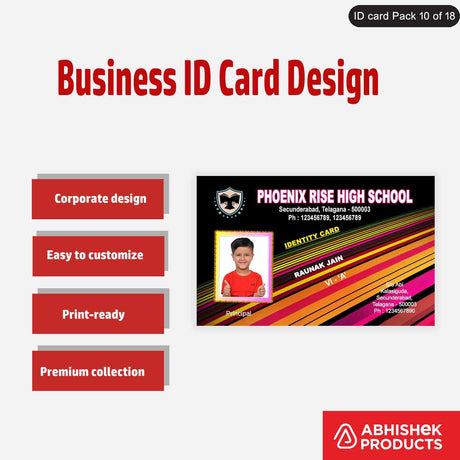
To make a sticky ID card, you print the ID design onto the AP Sticker A4 sheet using your inkjet printer. Once printed, you cut the card to size and peel off the adhesive backing. You can then paste this sticker onto a plastic card or any other rigid surface to create a finished ID.
Yes, the AP Sticker features a high-tack, self-adhesive backing designed for permanent application. Once it is applied to a clean and dry surface, it forms a strong bond that is difficult to remove without effort. This makes it ideal for long-term branding and security identification purposes.