How to Print on 130 GSM A4 Photo Stickers?
How to Print on 130 GSM A4 Photo Stickers?
TL;DR: 130 GSM A4 Photo Stickers are high-quality, inkjet-compatible sheets designed for vibrant and durable labeling. These sheets feature a smooth surface for professional color reproduction and a strong adhesive backing for versatile applications.
- Compatible with all standard inkjet printers used in Indian businesses.
- 130 GSM thickness provides a balance of durability and ease of feeding.
- Ideal for product packaging, branding, and custom creative projects.
How to Y0iJTnj_CU
To print 130 GSM stickers, you must load the A4 photo sticker sheet into your inkjet printer's manual feed or main tray. Ensure the printable smooth side is facing the print heads according to your printer's specifications. Use high-quality photo paper settings in your print dialogue to ensure the ink saturates the 130 GSM coating correctly for a vibrant finish.
Printing stickers at home or in a Secunderabad office requires attention to the weight of the paper. The 130 GSM (Grams per Square Meter) specification is thick enough to feel premium but thin enough to avoid common paper jams in entry-level inkjet printers. This makes it a standard choice for Indian startups and D2C brands looking for cost-effective labeling solutions.
Before you start
Y0iJTnj_CU guide for beginners
Beginners should start by designing their stickers on an A4 canvas using software like Canva or CorelDraw, which are popular in the Indian printing industry. Set your document resolution to 300 DPI (Dots Per Inch) to ensure that your prints do not look pixelated. When you are ready to print, perform a test run on a plain sheet of A4 paper to check the orientation and margins.
The 130 GSM A4 Photo Sticker is designed to be user-friendly for those new to DIY printing. Unlike vinyl which may require specialized eco-solvent inks, these photo stickers work with the standard dye-based or pigment inks found in common home printers. This accessibility allows hobbyists and students to create custom stickers for school projects or personal organization without investing in industrial equipment.
How does Y0iJTnj_CU work
The 130 GSM A4 Photo Sticker works through a specialized chemical coating on the paper surface that instantly traps inkjet droplets. This prevents the ink from spreading or bleeding, which is why the prints appear sharper than on standard paper. The 130 GSM weight refers to the density of the paper base, providing a sturdy structure that does not curl easily after printing.
Underneath the printable layer is a pressure-sensitive adhesive protected by a release liner. When you peel the sticker, the adhesive is exposed, allowing it to bond with surfaces like plastic, metal, or paper. This multi-layer construction is engineered to pass through the high-heat environment of a printer without the adhesive oozing out, which protects your printer's internal rollers.
Setup steps
Y0iJTnj_CU step by step
The process of creating professional stickers involves careful preparation and execution. Following a systematic approach ensures that you do not waste expensive sticker sheets. Below is the essential sequence for successful inkjet sticker production.
First, verify that your printer nozzles are clean by running a nozzle check. This is crucial in India's dusty environments to avoid streaks on your high-quality 130 GSM sheets. Once the printer is ready, adjust your software settings to match the A4 dimensions exactly. Load only one sheet at a time if your printer struggles with multiple thick sheets to ensure a smooth feed.
How to Print Stickers: Step-by-Step
- Prepare Your Design: Create your artwork on an A4 template at 300 DPI resolution to ensure maximum print clarity and professional results.
- Configure Printer Settings: Select 'High Quality' or 'Photo Paper' in your printer driver settings to ensure the correct amount of ink is deposited on the 130 GSM surface.
- Load the Sticker Sheet: Place the A4 photo sticker sheet into the tray with the smooth, printable side facing the correct direction for your specific printer model.
- Execute the Print: Send the print job to the printer and wait for the sheet to exit completely without touching the printed area immediately.
- Drying and Cutting: Allow the ink to set for at least one minute, then use a paper cutter, scissors, or a digital cutting plotter to cut your stickers to shape.
How to use the printer
What is the best way to use Y0iJTnj_CU
The best way to use 130 GSM A4 Photo Stickers is for high-resolution product labeling and professional branding. Because the surface is optimized for inkjet technology, it handles complex logos and small text with high clarity. It is frequently used for labeling glass jars, plastic containers, and cardboard shipping boxes in the Indian retail sector.
For the best results, always allow the printed sheet to dry for at least 60 seconds before handling or cutting. This prevents smudging on the smooth surface. If you are using these for shipping labels, ensure the surface of the package is clean and dry to maximize the bond of the adhesive backing. Small business owners in India find these sheets particularly useful for creating "Thank You" stickers and seasonal promotional labels.
Related products
Best Products for Sticker Printing
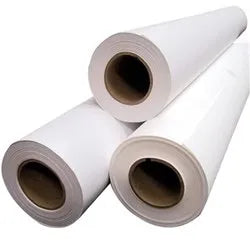
The 130 GSM A4 Photo Sticker Sheet (₹ price varies by pack size) is ideal for versatile labeling because it combines a smooth, vibrant finish with a durable 130 GSM weight. This product is a staple for Indian businesses needing professional-grade stickers from standard inkjet hardware.
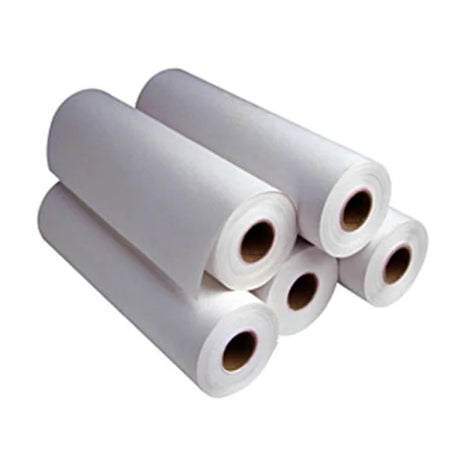
The A4 Photo Sticker Demo sheets are perfect for creative projects and packaging because they ensure long-lasting prints that resist fading. These sheets are specifically compatible with inkjet technology, making them accessible for home-based entrepreneurs across India.
Frequently Asked Questions
⚡ Fast Answers Summary
- Yes, 130 GSM A4 Photo Stickers are fully compatible with standard home inkjet printers.
- Standard inkjet prints on 130 GSM photo stickers are generally water-resistant but not fully waterproof.
- The best setting for printing on 130 GSM A4 Photo Stickers is 300 DPI or higher.
Yes, 130 GSM A4 Photo Stickers are fully compatible with standard home inkjet printers. The 130 GSM weight is specifically chosen to be thin enough for standard paper trays while remaining durable. Most Indian home printers from brands like Epson, HP, and Canon handle this thickness without any specialized modifications or settings.
Standard inkjet prints on 130 GSM photo stickers are generally water-resistant but not fully waterproof. While the coating helps the ink stay in place, exposure to heavy moisture may cause the ink to smudge over time. For full waterproofing, many Indian businesses apply a clear cold lamination film over the printed sticker for added protection.
The best setting for printing on 130 GSM A4 Photo Stickers is 300 DPI or higher. Using a lower resolution can result in blurry text and pixelated images. In your printer's advanced settings, choosing the 'Best' or 'High' quality mode ensures that the inkjet nozzles deliver the precision required for professional-looking labels.
No, these specific 130 GSM A4 Photo Stickers are designed exclusively for inkjet printers. Laser printers use high heat to fuse toner, which can melt the specialized inkjet coating or the adhesive backing. Using inkjet-specific sticker sheets in a laser printer may cause significant damage to the fuser unit and internal rollers.
Unused 130 GSM sticker sheets should be stored in a cool, dry place away from direct sunlight. In India's humid climate, it is best to keep them in their original plastic packaging or a sealed folder. This prevents the sheets from absorbing moisture, which can cause the edges to curl or affect the ink absorption during printing.
Yes, the smooth surface of the 130 GSM A4 Photo Sticker is specifically engineered for high-vibrancy color reproduction. It handles full-color photographs and complex gradients exceptionally well. This makes them ideal for personalized gift labels, laptop skins, and high-end product branding where visual appeal is a priority for the business.