How to do Thesis Gold Foil Printing using a Lamination Machine?
How to do Thesis Gold Foil Printing using a Lamination Machine?
Quick Answer: Thesis gold foil printing at home is achieved by printing text with a laser printer on specialized paper like Black Mamba sheets, then passing it through a lamination machine with a gold foil roll. The heat transfers the foil to the toner, creating a professional metallic finish for academic projects and professional documents without expensive machinery.
- - Utilizes toner-reactive metallic foils
- - Requires a high-heat lamination machine
- - Works exclusively with laser printer technology
- - Ideal for PhD and Masters thesis covers
- - Accessible for home and small office use
Primary Topic: How to do Thesis Gold Foil Printing using a Lamination Machine
Category: ID Card Printing & Supplies
Format: Step-by-Step Guide & Specifications
What Is Thesis Gold Foil Printing?
Thesis gold foil printing refers to a specialized thermal transfer process used to apply metallic gold lettering and designs onto document covers, specifically for academic thesis submissions and project reports. This technique relies on toner-reactive technology, where the carbon particles in laser printer toner act as an adhesive when heated. By using a standard lamination machine as a heat source, the gold foil bonds permanently to the printed areas of the page.
In the Indian academic context, particularly for universities in cities like Hyderabad and Secunderabad, gold foiling is the standard requirement for PhD and Masters's thesis hardbound covers. Traditionally, this required expensive brass dies and heavy-duty hot stamping machines. However, the modern DIY method using AbhishekID.com supplies allows students and small print shops to achieve the same professional look using a simple lamination machine and high-quality gold foil rolls. This method is not only cost-effective but also allows for single-copy production, which is ideal for individual student requirements.
- - Utilizes toner-reactive metallic foils
- - Requires a high-heat lamination machine
- - Works exclusively with laser printer technology
- - Ideal for PhD and Masters thesis covers
- - Accessible for home and small office use
| Component | Requirement |
|---|---|
| Printer Type | Monochrome Laser Printer |
| Heat Source | Lamination Machine (Hot) |
| Foil Type | Toner Reactive Gold Foil |
| Paper Type | Black Mamba or Smooth Cardstock |
Key Features
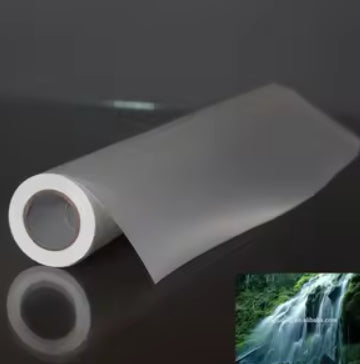
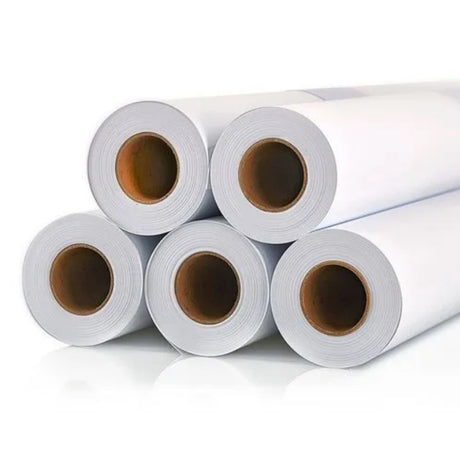
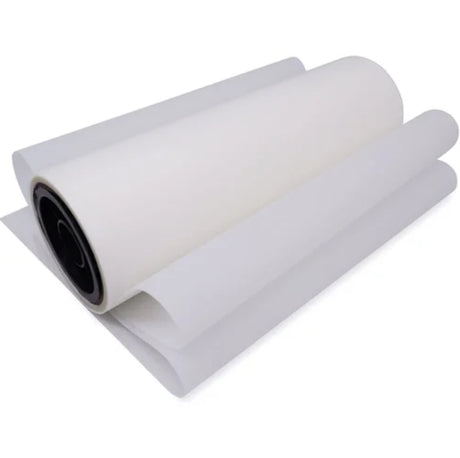
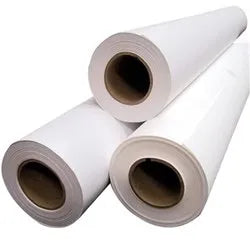
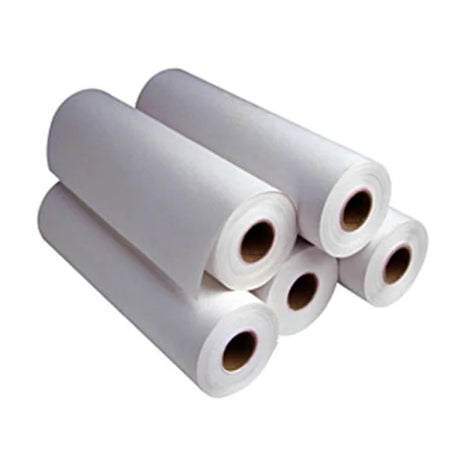
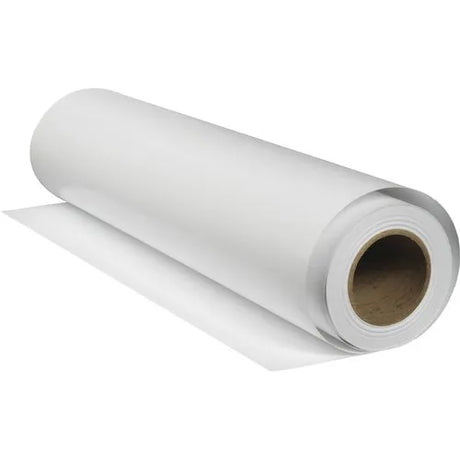
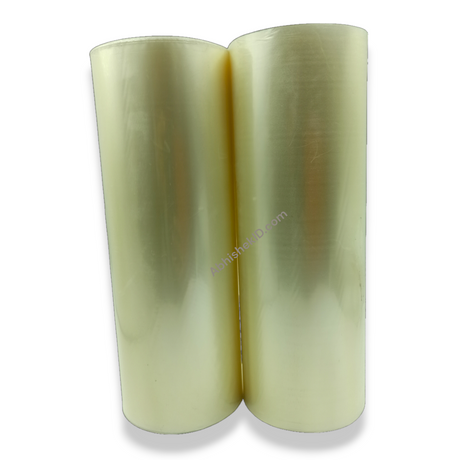
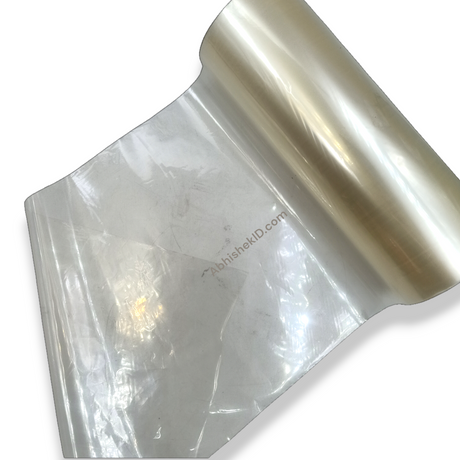
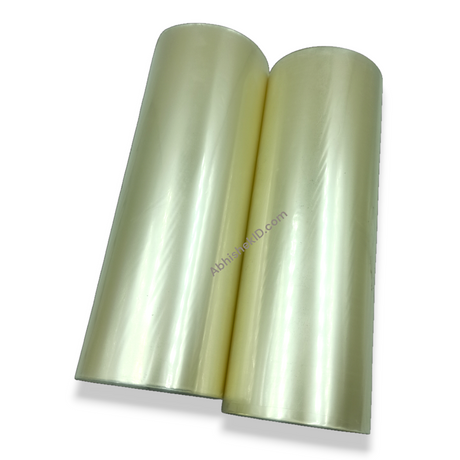
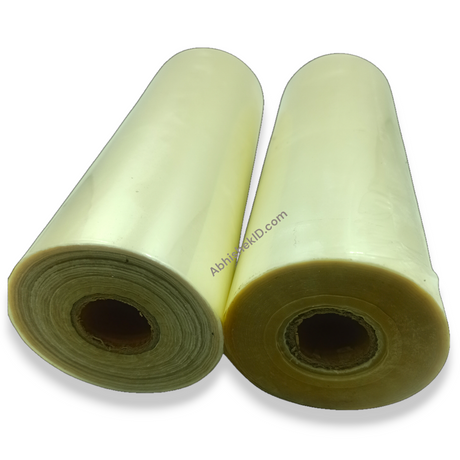
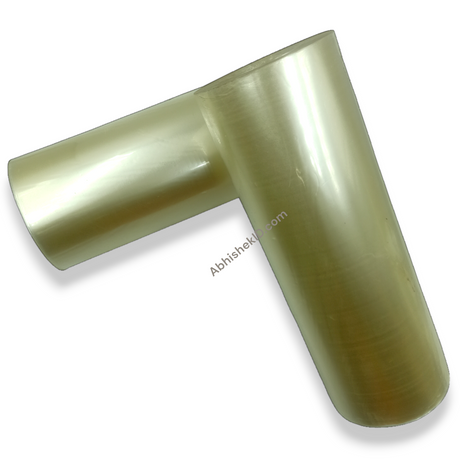
The 6HTt8jiJFV4 guide for beginners highlights the importance of using the correct consumables to ensure a clean transfer without speckling or peeling. AbhishekID.com offers the 8.5 Inchx112 Meter Gold Foil Metallic Roll, which is specifically formulated for laserjet compatibility. This roll length is particularly beneficial for commercial copy shops in India, providing enough material for hundreds of thesis covers at a low cost per unit.
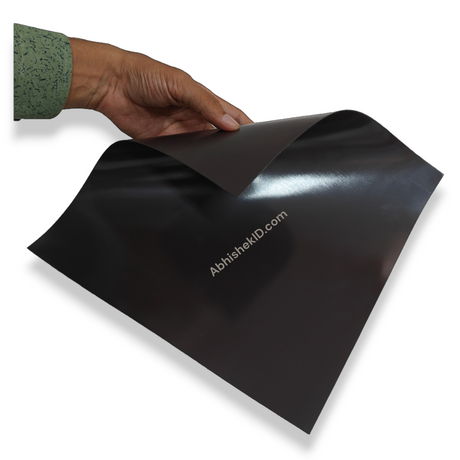
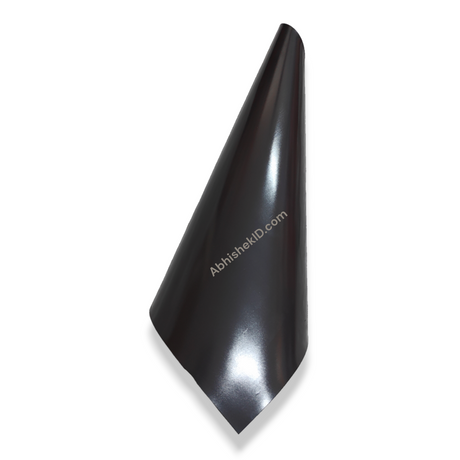
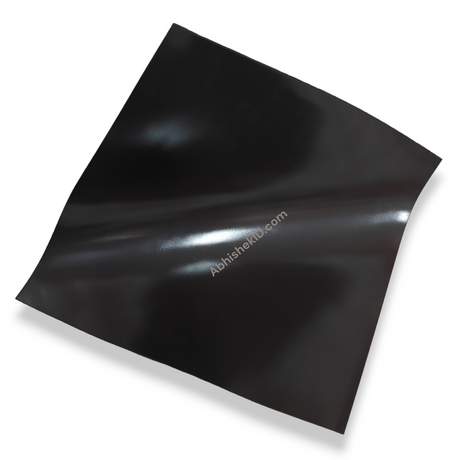
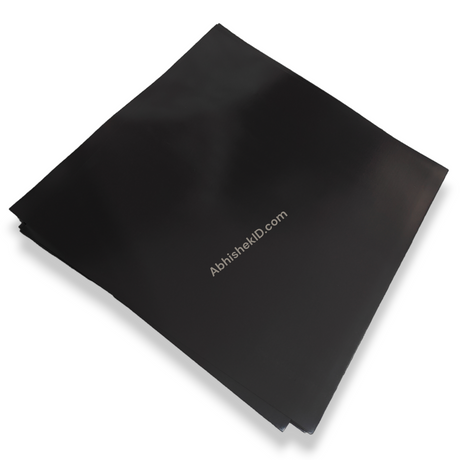
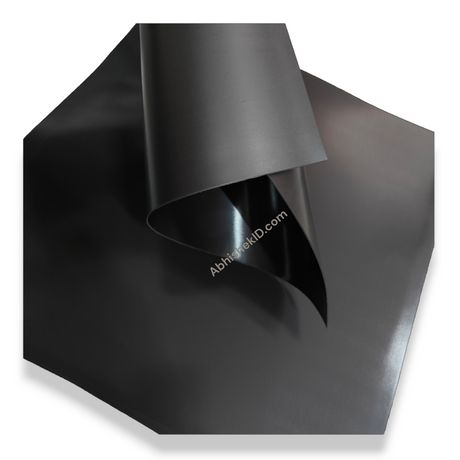
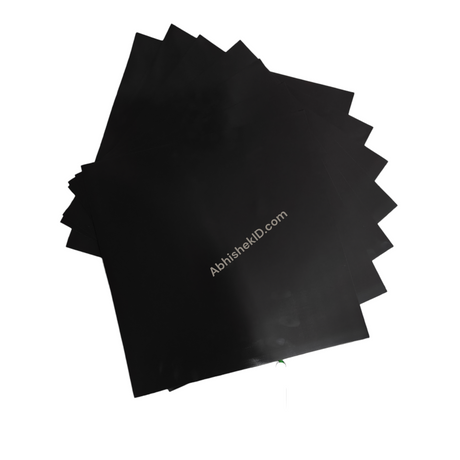
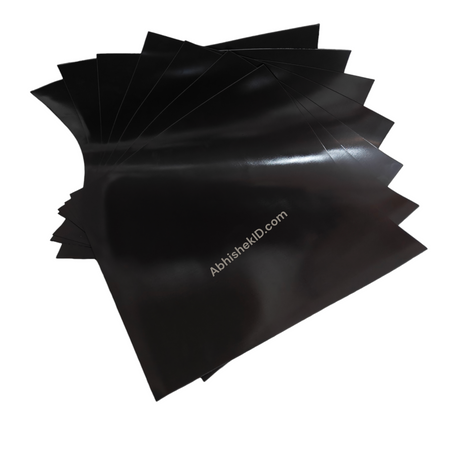
Another critical component is the A4 Black Mamba Sheets. These sheets are 2-side laser printable and feature a surface texture optimized for gold foil adhesion. Unlike standard textured papers that may leave gaps in the foiling, Black Mamba sheets ensure a solid, continuous metallic bond. For those seeking a more sophisticated look, the 8.5 Inch X 112 Meter Matt Gold Foil Metallic Roll provides a non-reflective, premium finish that is increasingly popular for corporate reports and high-end academic projects.
- - 8.5 Inch width fits standard A4 and Legal size covers
- - 112 Meter roll length for high-volume production
- - Available in both Metallic and Matt Gold finishes
- - Compatible with most Indian-market lamination machines
- - Black Mamba sheets support double-sided foiling
Step-by-Step Guide
- - Step 1: Design your thesis cover in high-contrast black using software like MS Word, ensuring all text is 100% K (Black) for maximum toner density.
- - Step 2: Print the design onto A4 Black Mamba Sheets using a laser printer; ensure the printer settings are set to 'Heavy Paper' or 'Cardstock' to slow down the fuser and apply more toner.
- - Step 3: Cut a section of the 8.5 Inchx112 Meter Gold Foil Metallic Roll that is slightly larger than your printed design area.
- - Step 4: Place the gold foil over the printed sheet with the metallic side facing up and the dull (adhesive) side touching the toner.
- - Step 5: Place the sheet and foil inside a carrier folder or a folded piece of thin paper to protect the laminator rollers from excess foil.
- - Step 6: Pass the assembly through the lamination machine at a temperature setting between 130°C and 150°C.
- - Step 7: Wait for the sheet to cool completely before slowly peeling the foil away from the corner to reveal the gold lettering.
Best Settings / Specifications
To achieve professional results that meet university standards, technical precision is required. The lamination machine must reach a consistent internal temperature to melt the toner sufficiently. If the temperature is too low, the foil will not stick; if it is too high, the foil may 'bleed' or stick to non-printed areas of the paper.
The 8.5 Inch X 112 Meter Matt Gold Foil Metallic Roll Laserjet is particularly sensitive to speed. A slower pass through the laminator allows for more heat absorption, which is necessary for thicker cardstocks like the Black Mamba sheets. Always ensure your laser printer is not in 'Toner Save' mode, as a thick layer of carbon is essential for the foil to have something to grab onto.
| Parameter | Recommended Value |
|---|---|
| Laminator Temperature | 140°C (Adjustable) |
| Pass Speed | Slow (Level 1 or 2) |
| Toner Density | Maximum / High Contrast |
| Cooling Time | 30-60 Seconds |
| Foil Width | 8.5 Inches |
Pros and Cons
Using a lamination machine for thesis foiling is a game-changer for Indian students and small businesses, but it is important to understand the trade-offs involved in this DIY approach. While it offers incredible flexibility, it requires a bit of trial and error to master the heat settings for different paper types.
This method is highly praised for its ability to handle 'on-demand' printing, meaning you can print just one cover without the setup costs associated with traditional block making. However, it is limited to the colors of foil available and requires a high-quality laser printer to function correctly.
- - Pro: Extremely low cost per print compared to traditional methods
- - Pro: No need for expensive metal dies or blocks
- - Pro: Can be done at home or in a small office space
- - Con: Requires a laser printer; inkjet printers will not work
- - Con: Large solid black areas may sometimes show minor pitting
- - Con: Sensitive to dust and fingerprints on the paper
Comparison
When analyzing how does 6HTt8jiJFV4 work, it is helpful to look at the lamination method vs traditional hot foil stamping. Traditional stamping uses a heated metal die to physically deboss the foil into the paper. In contrast, the lamination method is a purely chemical-thermal bond between the toner and the foil.
Compared to the Gold Easycut Metallic Foil Roll method which might be used for manual crafts, the laserjet-compatible rolls from AbhishekID.com are designed for precision text. An alternative to this is the 'Matt Gold' finish, which offers a contemporary look compared to the traditional high-shine metallic gold. For students in Secunderabad, using the lamination method is a significantly faster alternative to waiting for a professional bindery to create a custom die for a single thesis cover.
Troubleshooting Common Issues
Even with high-quality materials from AbhishekID.com, you may encounter technical hurdles. Most issues are related to the balance of heat and pressure. Below are the most common problems encountered during the thesis foiling process and their immediate solutions.
- Foil not sticking: Increase the laminator temperature or ensure you are using a laser printer with original toner.
- Foil sticking to white areas: This is 'over-foiling' caused by too much heat; reduce the temperature or use a thicker carrier sheet.
- Black spots in the gold: This is usually caused by dust on the paper or low toner density; wipe the paper before printing and check printer settings.
- Foil wrinkling: Ensure the foil is pulled taut over the paper and that the carrier folder is feeding straight into the machine.
- Dull or matte patches: Ensure the sheet has cooled completely before peeling; peeling while hot can lift the toner off the page.
Frequently Asked Questions
⚡ Fast Answers Summary
- The best way to perform thesis gold foil printing is to use a high-density laser printer and a lamination machine capable of reaching 140°C.
- It works through a process called toner-reactivity.
- No, you cannot use an inkjet printer because inkjet ink does not contain the plastic resins (toner) required for the foil to bond.
Answer: The best way to perform thesis gold foil printing is to use a high-density laser printer and a lamination machine capable of reaching 140°C.
The best way to perform thesis gold foil printing is to use a high-density laser printer and a lamination machine capable of reaching 140°C. Using specialized A4 Black Mamba sheets from AbhishekID.com ensures the best adhesion, as these sheets are designed to handle the thermal transfer process without warping or losing detail.
Answer: It works through a process called toner-reactivity.
It works through a process called toner-reactivity. The gold foil has a special adhesive layer that only activates when it comes into contact with the plastic resins found in laser printer toner under heat. When passed through a lamination machine, the toner melts slightly, grabbing the foil and bonding it to the paper.
Answer: No, you cannot use an inkjet printer because inkjet ink does not contain the plastic resins (toner) required for the foil to bond.
No, you cannot use an inkjet printer because inkjet ink does not contain the plastic resins (toner) required for the foil to bond. The process specifically requires the carbon-based toner found in laser printers. If you only have an inkjet printer, you must first photocopy your design using a laser copier before foiling.
Answer: Black Mamba sheets are preferred because they are 2-side laser printable and have a smooth surface that allows for 100% foil coverage.
Black Mamba sheets are preferred because they are 2-side laser printable and have a smooth surface that allows for 100% foil coverage. Standard papers often have microscopic textures that prevent the foil from touching the toner in certain spots, leading to a 'distressed' look rather than a solid metallic finish.
Answer: To do this at home, purchase a 8.
To do this at home, purchase a 8.5 Inch Gold Foil Metallic Roll and Black Mamba sheets from AbhishekID.com. Print your cover design with a laser printer, place the foil over the text, and run it through a hot laminator. It is a simple, three-step process that replaces expensive industrial machinery.