How to Use Cold Lamination & Mounting for Displays?
How to Use Cold Lamination & Mounting for Displays?
Cold lamination and mounting are mandatory processes for creating high-quality professional displays that effectively communicate your business message. By repeating these displays two to three times within your premises, you ensure customers understand your services, which simplifies your operations and reduces repetitive verbal explanations.
- Cold lamination protects the print surface without using heat.
- Mounting provides the structural rigidity necessary for professional display boards.
- Repeating visual messaging 2-3 times improves customer retention and operational efficiency.
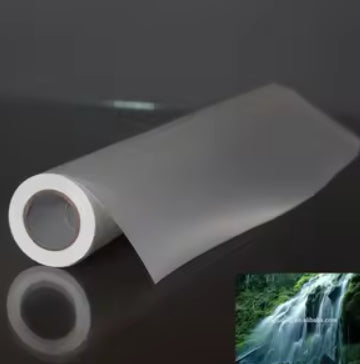
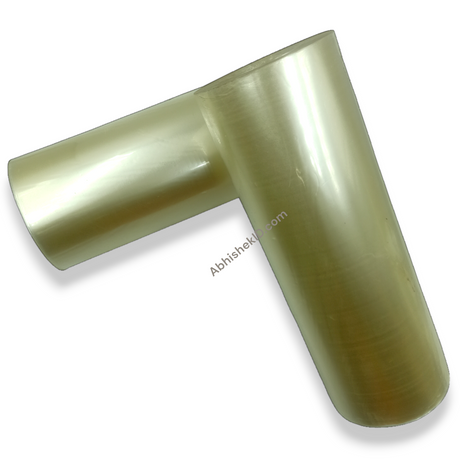
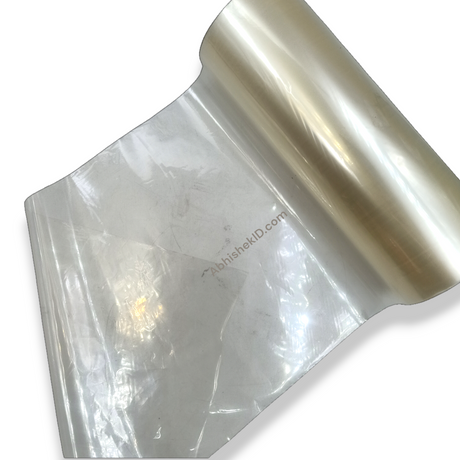
To execute the process effectively, you must combine cold lamination with professional mounting techniques. This combination is considered mandatory for any high-quality display intended for commercial use. Cold lamination involves applying a transparent plastic film to your printed material using pressure rather than heat, which preserves the integrity of the ink and the media.
In the Indian market, especially for businesses in Secunderabad and Hyderabad, professional displays are the first point of contact with customers. A well-laminated and mounted board ensures that your branding remains vibrant and durable. Without mounting, a print is just a piece of paper; with mounting, it becomes a structural communication tool that can be placed strategically around your shop or office.
The method emphasizes that a good display is not just about the print quality but about the finishing. Cold lamination provides a premium finish—whether matte or glossy—that prevents scratches and UV damage. Mounting the laminated print onto a rigid substrate like Sunboard or foam board ensures the display stays flat and professional over time.
Before you start
For beginners, the process starts with understanding that lamination and mounting are two distinct but inseparable steps for quality displays. Cold lamination is the process of protecting the print, while mounting is the process of sticking that protected print onto a hard surface. Beginners should focus on achieving a bubble-free finish during the lamination phase before attempting to mount the print.
In India, many small businesses skip mounting to save costs, but this results in flimsy displays that curl at the edges. A beginner’s guide to professional signage must emphasize that mounting is mandatory for a "shandaar" (magnificent) display. Using a cold laminator is often more accessible for beginners as it does not require managing complex temperature settings, making it a reliable choice for start-up print shops.
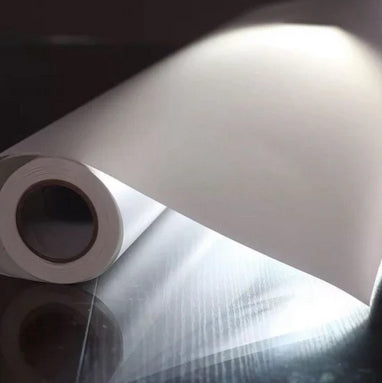
The process works by utilizing pressure-sensitive adhesives to bond protective films and rigid substrates to your printed media. Unlike thermal lamination, which melts a glue layer onto the paper, cold lamination uses a sticky film that adheres instantly when passed through rollers. This makes it ideal for a variety of materials used in Indian signage, including vinyl and synthetic papers.
The mounting aspect works by providing a structural backbone to the print. Without mounting, prints are susceptible to humidity and physical damage. By mounting the print, you create a rigid board that can be hung, leaned, or fixed to walls. This structural integrity is what allows the display to remain "shandaar" or impressive over a long period of time.
Setup steps
Prepare the print
First, ensure your print is clean and free of dust.
Apply cold laminate
Second, run the print through a cold laminator with the appropriate film. This provides the protective layer that defines a professional display.
Mount the print
Once laminated, the next step is mounting. You must apply the laminated print to a substrate like Sunboard or foam board. This requires careful alignment to ensure the print is straight and centered. In the Indian context, Sunboard is the most popular choice for mounting due to its cost-effectiveness and durability in local weather conditions.
Strategic placement
The final step in the workflow is placement. Do not just make one board; make two or three. Place them in locations where customers naturally linger. This repetition is the key to ensuring your message is understood. By following these steps, you create a professional ecosystem where your displays act as silent salesmen for your business.
How to use the printer
The best way to use is to integrate the finished displays into a repetitive messaging strategy. According to the original guidance, you should place your message-heavy displays two to three times throughout your customer’s journey. This repetition ensures that the customer absorbs the information without you having to explain the same details repeatedly.
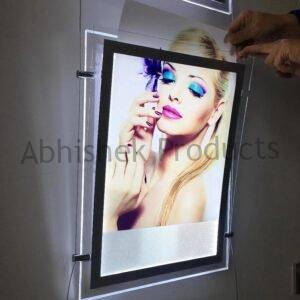
For Indian retail environments, this means placing one display at the entrance, one near the service counter, and one in the waiting area. This strategic placement makes life easier for the business owner because the display does the talking for you. When a customer sees a professional, laminated, and mounted sign multiple times, the message becomes clear and authoritative.
Using cold lamination specifically is the best approach for digital prints that might be sensitive to the high temperatures of thermal laminators. It allows for a wider variety of finishes and is generally safer for high-end photographic or vinyl prints. When combined with mounting, it creates a product that is ready for immediate installation in any business setting.
The goal for a beginner is to create a display that makes the customer's message easy to understand. As highlighted in the transcript, clear messaging through professional displays makes your life easier. It transforms your workspace from a cluttered area into a professional environment where the walls communicate your services and prices effectively.
The psychological aspect works through repetition. By presenting the same professional display 2-3 times, you reinforce the message in the customer's mind. This reduces the cognitive load on the business owner, as the frequency of the message ensures clarity. It is a practical solution for busy Indian stores where the owner cannot talk to every customer individually.
Related products
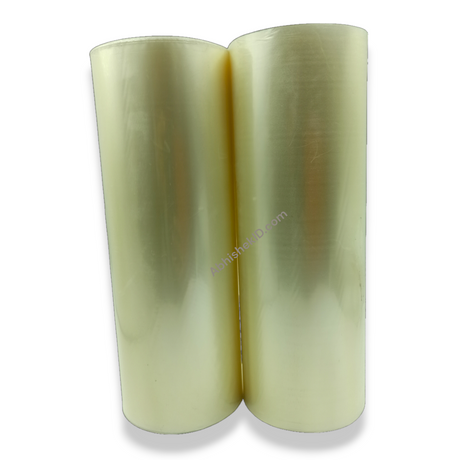
While specific models vary, a high-quality Cold Laminating Machine is essential for this process. These machines allow for the smooth application of pressure-sensitive films, ensuring that your displays are free from bubbles and creases. For businesses in Secunderabad, investing in a manual or electric cold laminator is the first step toward professionalizing your output.
The use of premium Mounting Boards, such as high-density Sunboard, is also critical. These boards provide the necessary flat surface for your laminated prints. Using the right combination of lamination film and mounting substrate ensures that your message is not only seen but respected by your clientele. You can find these professional supplies at AbhishekID.com to ensure your displays meet the mandatory standards for quality.
Frequently Asked Questions
⚡ Fast Answers Summary
- Cold lamination protects prints using pressure-sensitive adhesives instead of heat.
- Mounting is mandatory because it provides the structural rigidity needed for a professional look.
- You should repeat your message or display two to three times within your business premises.
Cold lamination protects prints using pressure-sensitive adhesives instead of heat. This is beneficial for heat-sensitive inks and media common in professional displays. It provides a durable, UV-resistant finish that prevents fading and physical wear, which is essential for long-term signage in Indian business environments.
Mounting is mandatory because it provides the structural rigidity needed for a professional look. Without mounting, prints will curl, wrinkle, or sag over time. Mounting your print onto a board like Sunboard ensures the display remains flat, professional, and easy to install on walls or stands.
You should repeat your message or display two to three times within your business premises. This repetition ensures that the customer sees and understands your message regardless of where they are in the shop. It reinforces the information and reduces the need for you to explain things verbally.
Yes, cold lamination is highly versatile and works on almost all types of paper and vinyl. It is particularly useful for digital prints, photographs, and large-format banners that might be damaged by the high heat of traditional thermal laminators used in many Indian copy centers.
It makes life easier by automating the communication process. When you have professional, clear, and repeated displays, customers can find information themselves. This saves the business owner from repeating the same instructions or product details to every single customer who walks in.
You can join the AbhishekID WhatsApp group for regular updates and information on lamination and mounting. We share practical tips and equipment advice specifically tailored for the Indian printing and ID card industry to help you create better displays for your customers.