✨ Featured Products

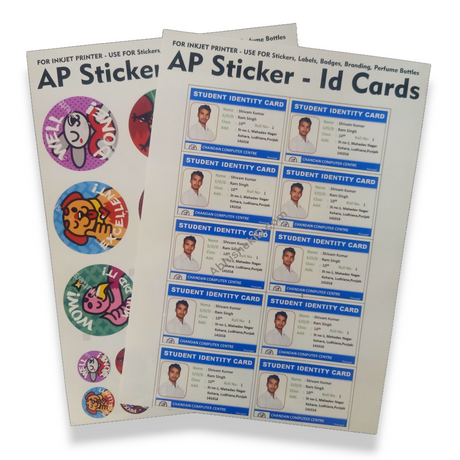
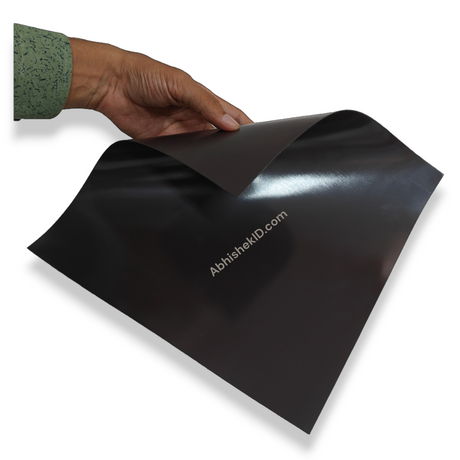
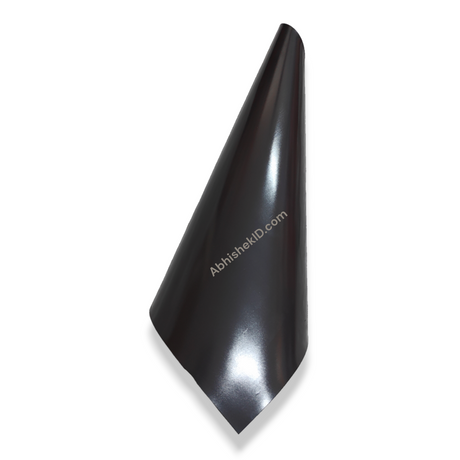
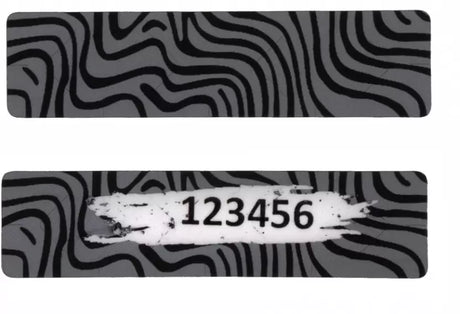
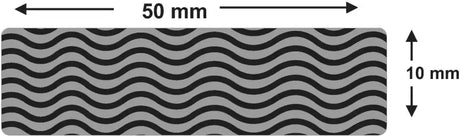
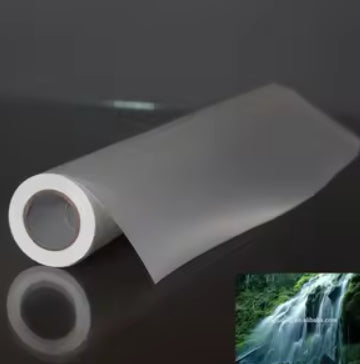
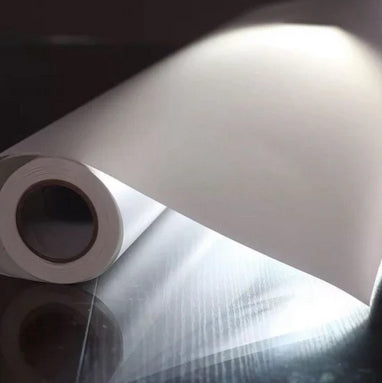
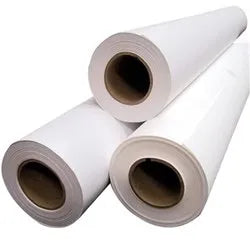
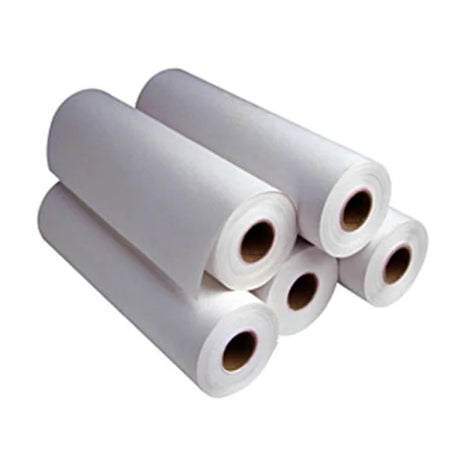
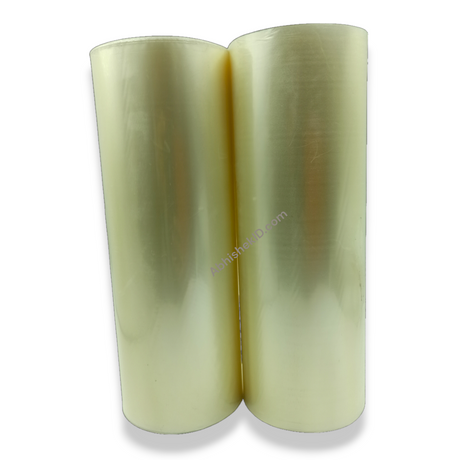
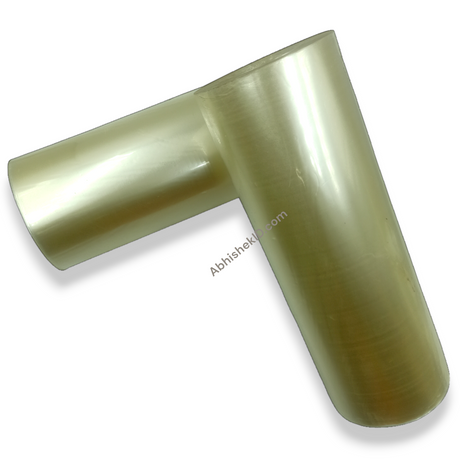
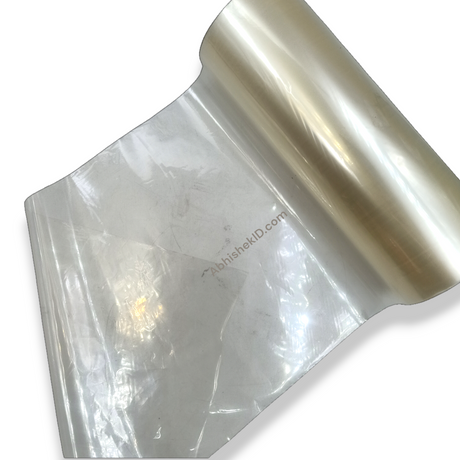
A4 Ap Sticker 130 Mic Id Card High Glossy Waterproof Non Tearable

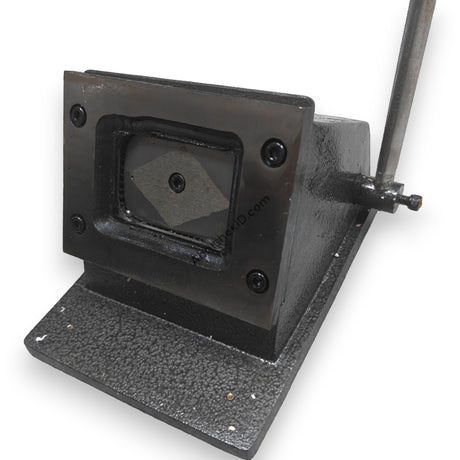
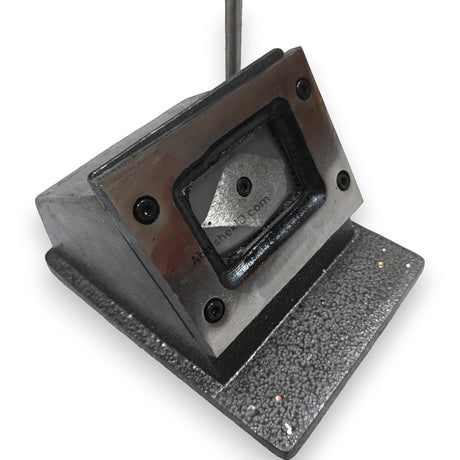
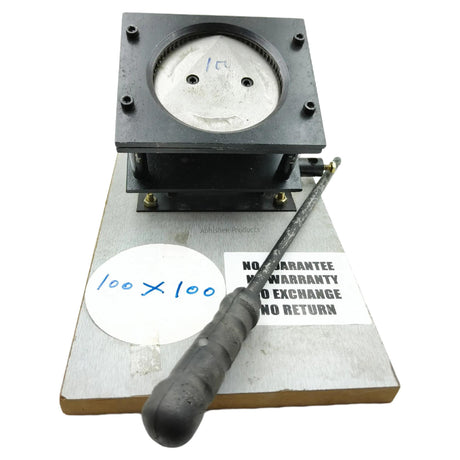
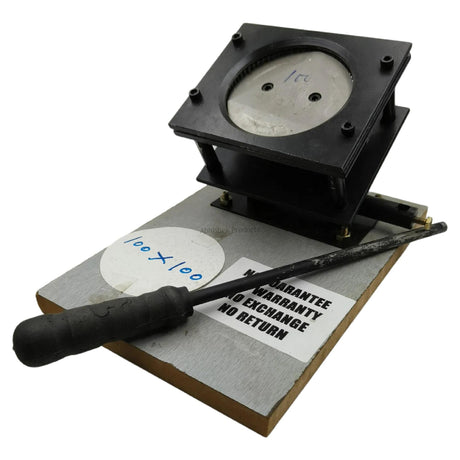
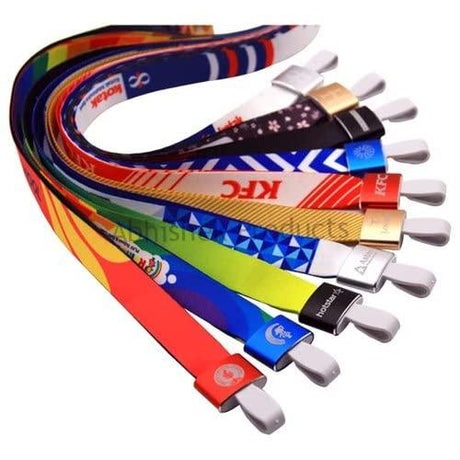
48x72mm U Shape Sticker Id Card Cutter For Pasting Id Cards - Indian Grade Parthu Cutter

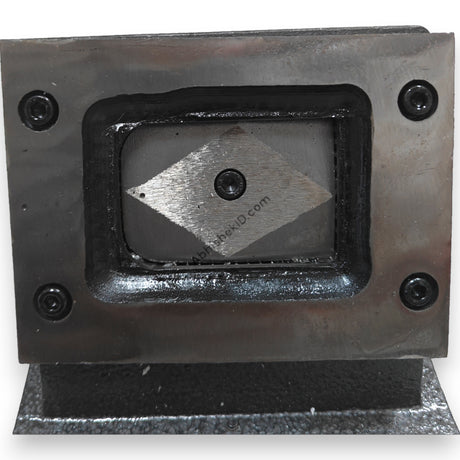
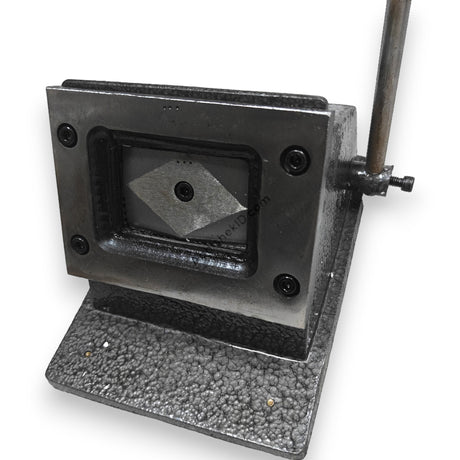
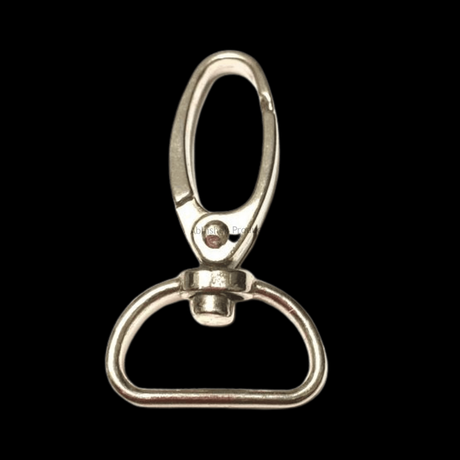
48x72mm ⏹️Square Shape Sticker Id Card Cutter For Pasting Id Cards - Indian Grade
48x72mm ⏹️Square Shape Sticker Id Card Cutter For Pasting Id Cards - Indian Grade
How to Make ID Cards with Sticker Paper & Inkjet Printer?
How to Make ID Cards with Sticker Paper & Inkjet Printer?
TL;DR: To create professional ID cards, print your designs on A4 Ap Sticker 130 Mic Id Card High Glossy Waterproof Non Tearable paper and use a 48x72mm cutter for precision.
- Use 130-micron high-glossy sticker paper for a waterproof and non-tearable finish.
- Select between U-shape or Square-shape 48x72mm cutters for consistent sizing.
- This method is ideal for Indian businesses requiring durable ID cards without expensive thermal printers.
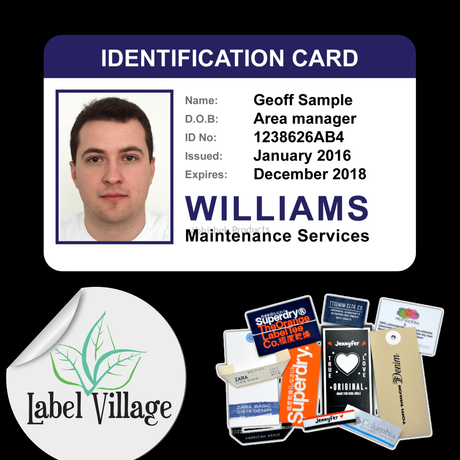
How to create professional-grade ID cards involves using high-quality inkjet-compatible sticker paper and precision cutting tools. By printing on a 130-micron synthetic base, you ensure the final product is both waterproof and resistant to daily wear and tear.
In the Indian market, many small businesses and schools prefer this method because it utilizes standard inkjet printers. The process requires aligning your design on an A4 sheet, printing with high-quality settings, and then using a dedicated die cutter to achieve the standard 48x72mm dimensions required for ID card pasting.
Using the A4 Ap Sticker 130 Mic Id Card High Glossy Waterproof Non Tearable sheet allows for vibrant color reproduction. Because the material is non-tearable, the ID cards remain intact even in demanding industrial or outdoor environments common in cities like Secunderabad and Hyderabad.
Before you start
A guide for beginners starting an ID card printing business should focus on equipment reliability and material quality. Beginners should avoid manual scissor cutting, as it leads to uneven edges and unprofessional results that customers in the Indian market will not accept.
The first step for any beginner is selecting the right paper. The 130-micron thickness is the industry standard for pasting because it is thick enough to handle easily but thin enough to adhere flatly to the card base. Using a non-tearable material ensures that if a mistake is made during pasting, the sticker can sometimes be repositioned without shredding.
How does the sticker ID card system work? It functions by utilizing a high-tack adhesive backed by a synthetic, non-tearable layer. Unlike standard paper stickers, the 130-micron high-glossy material is designed to withstand moisture and friction.
Setup steps
Step by step process
The step by step process for making sticker ID cards is straightforward and requires minimal technical expertise. Follow these stages to ensure a high-quality finish for every badge you produce.
- Design and Print: Layout your ID card designs on an A4 template. Print them using an inkjet printer on A4 Ap Sticker 130 Mic Id Card High Glossy Waterproof Non Tearable paper.
- Precision Cutting: Insert the printed sheet into a 48x72mm U Shape Sticker Id Card Cutter. Align the design within the window and press the handle to punch out the sticker.
- Preparation: Clean the surface of the PVC base card to remove any dust or oils that might interfere with the adhesive.
- Pasting: Peel the backing off the 130-micron sticker and carefully align it with the edges of the card. Press firmly from the center outwards to remove any air bubbles.
How to use the printer
What is the best way to use sticker-based ID card systems? The most effective approach is to combine high-glossy 130-micron sticker paper with an Indian Grade Parthu cutter. This combination ensures that the sticker does not peel at the edges and maintains a professional look.
To achieve the best results, ensure your inkjet printer is set to "High Glossy" or "Premium Photo Paper" mode. This allows the ink to bond correctly with the 130-micron surface, enhancing the waterproof properties of the A4 Ap Sticker 130 Mic Id Card High Glossy Waterproof Non Tearable. Once printed, let the sheet dry for a few seconds before cutting.
Using a 48x72mm U Shape Sticker Id Card Cutter - Indian Grade Parthu Cutter is the best way to ensure uniform corners. The U-shape design is specifically engineered to match the rounded corners of standard PVC cards, making the pasting process seamless and preventing the sticker from overlapping the card edges.
The mechanical part of the system involves the 48x72mm cutter. These Indian Grade cutters work by using a die-punch mechanism that shears the sticker paper at exact dimensions. Whether you use a 48x72mm Square Shape Sticker Id Card Cutter or a U-shape model, the goal is to create a sticker that perfectly fits the face of a standard ID card.
Related products
- A4 Ap Sticker 130 Mic Id Card High Glossy Waterproof Non Tearable (₹Contact for price)
- 48x72mm U Shape Sticker Id Card Cutter - Indian Grade Parthu Cutter (₹Contact for price)
- 48x72mm Square Shape Sticker Id Card Cutter - Indian Grade (₹Contact for price)
Frequently Asked Questions
⚡ Fast Answers Summary
- Yes, the A4 Ap Sticker 130 Mic paper is waterproof.
- Yes, you can use any standard inkjet printer with these stickers.
- The difference lies in the corner finish of the cut sticker.
Yes, the A4 Ap Sticker 130 Mic paper is waterproof. The synthetic material prevents water from soaking into the fibers, which protects the printed image from smudging or fading when exposed to moisture, making it suitable for outdoor use in India.
Yes, you can use any standard inkjet printer with these stickers. The high-glossy surface of the 130-micron sticker paper is specifically coated to absorb inkjet inks quickly, ensuring sharp details and vibrant colors for your ID card designs.
The difference lies in the corner finish of the cut sticker. The U-shape cutter produces rounded corners that perfectly match the radius of a standard PVC ID card, while the square-shape cutter produces sharp 90-degree corners for rectangular card designs.
The 130-micron thickness is recommended because it provides the necessary rigidity for easy handling and pasting. Thinner stickers can wrinkle or trap air bubbles more easily, whereas the 130-mic material stays flat and provides a premium feel to the finished card.
Non-tearable means the sticker is made from a synthetic plastic-based material rather than standard paper. This ensures the ID card sticker cannot be easily ripped or damaged by physical force, significantly increasing the lifespan of the identification badge.
Yes, the 48x72mm U-shape and Square-shape cutters are Indian Grade equipment. They are designed for heavy-duty use in local printing shops, offering durability and precision that meets the specific requirements of the Indian ID card industry.