✨ Featured Products


How to Use PVC Clear Transparent Rolls?
How to Use PVC Clear Transparent Rolls?
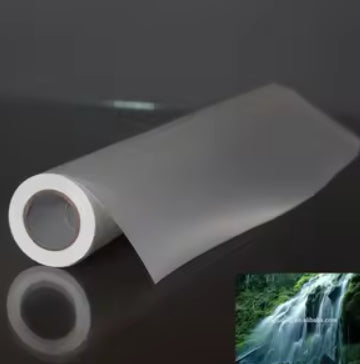
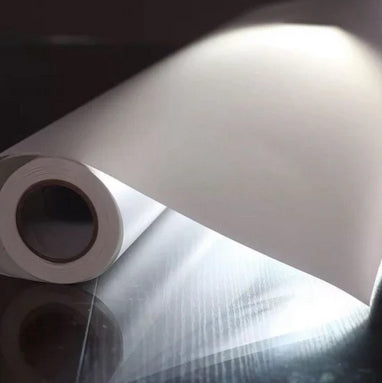
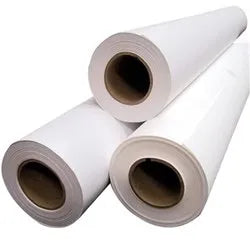
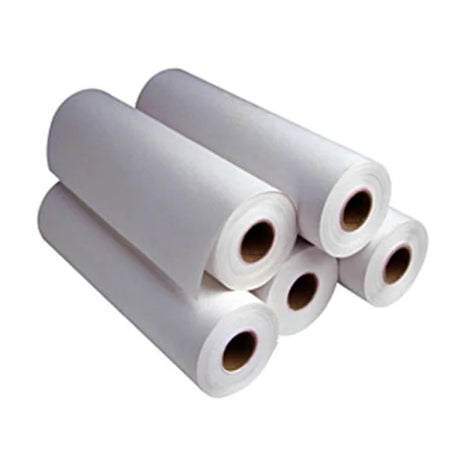
PVC clear transparent materials are essential components in the Indian printing and stationery industry. Whether you are located in Secunderabad or operating a pan-India e-commerce print shop, understanding the nuances of OHP rolls and transparent sheets is vital for product quality. These materials allow for high-clarity overlays, durable book covers, and specialized foiling applications.
Before you start
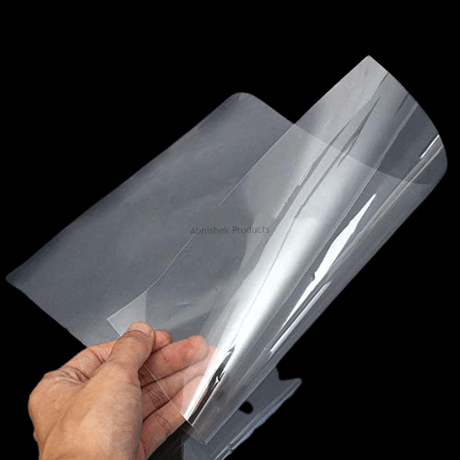
Beginners should start by understanding the 'Micron' (mic) measurement, which indicates the thickness of the sheet. A 100-micron sheet is flexible and easy to feed through most home and office printers. A 175-micron sheet, such as the A4 Limpi Sheeet - Transarent Sheet For Laserjet Foiling - 175 Micron, is significantly more rigid and is preferred for heavy-duty applications like foiling or menu cards.
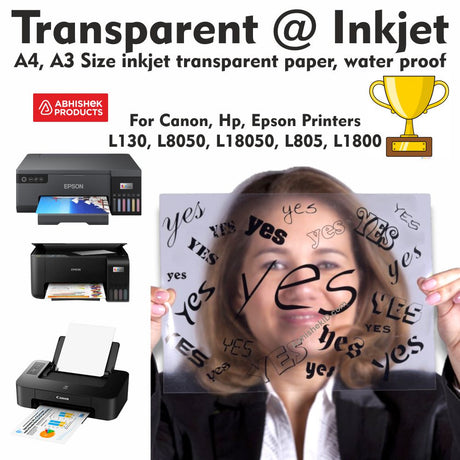
To use PVC clear transparent sheets effectively, you must first identify the printing technology you are using. Inkjet printers require a specific chemical coating on the sheet to prevent the ink from smearing or beading on the plastic surface. For laserjet applications, the material must be heat-stabilized to withstand the fuser temperature without warping or melting inside
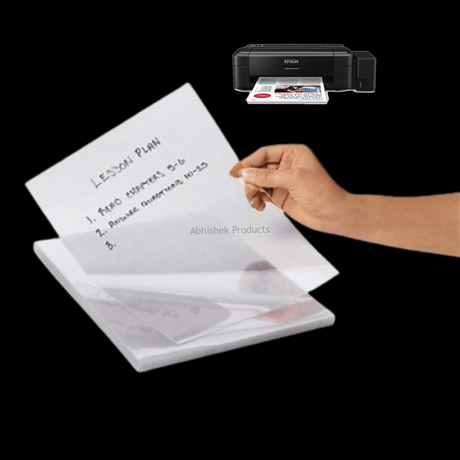
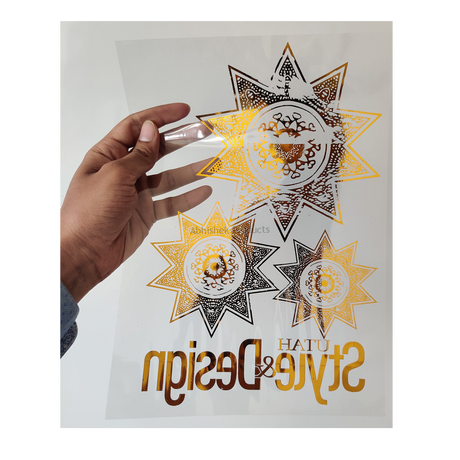
⚡ Fast Answers Summary No, you cannot use a standard inkjet printer on just any transparent sheet. You must use a sheet specifically coated for inkjet printing, such as the A4 100 Mic Tranparent Inkjet Sheet. Standard plastic sheets lack the necessary coating to absorb ink, resulting in the ink smearing and never drying on the surface. The difference lies in the thickness and rigidity of the material. A 100-micron sheet is thinner and more flexible, making it suitable for book covers and overlays. A 175-micron sheet, like the Limpi sheet, is thicker and more rigid, which is better for heavy-duty use, foiling, and items that need to stand upright. To identify the printable side, you can slightly dampen your finger and touch a corner of the sheet; the side that feels slightly sticky or tacky is the treated printable side. Alternatively, look at the sheet under a light; the printable side usually has a very fine, matte-like texture. Yes, specifically the A4 Limpi Sheeet is designed for laserjet foiling. Because it is 175 microns thick and heat-resistant, it can pass through a laser printer and a laminator without melting. The toner deposited by the laser printer acts as an adhesive for the gold foil. Yes, both the rolls and the A4 sheets are perfectly suitable for OHP (Overhead Projector) presentations. They offer high optical clarity, ensuring that the light from the projector passes through clearly to display your printed text or diagrams on the screen. You should store PVC transparent sheets in a cool, dry place inside their original packaging or a sealed plastic folder. Humidity can sometimes affect the chemical coating on inkjet sheets. Keeping them flat and away from direct sunlight prevents the sheets from curling or yellowing.Frequently Asked Questions