How to Make Waterproof PVC ID Cards at Low Cost in India
How to Make Waterproof PVC ID Cards at Low Cost in India
Creating professional-grade identification cards no longer requires expensive industrial machinery. The method focuses on using affordable, accessible tools to produce waterproof PVC ID cards that meet high durability standards. This approach is specifically designed for small businesses, schools, and local organizations in India looking to minimize overhead costs while maintaining quality.
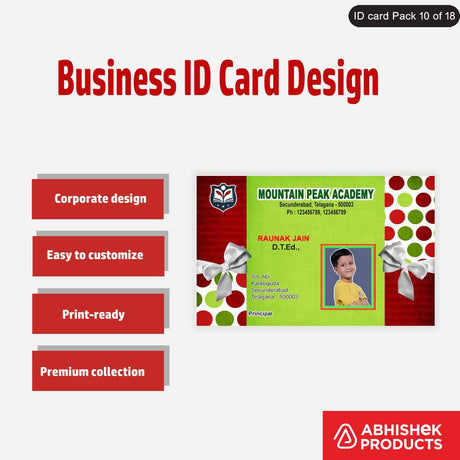
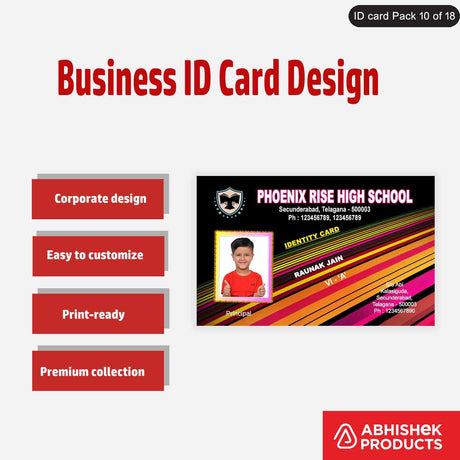
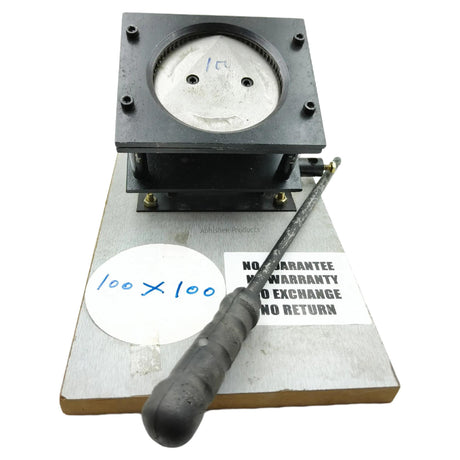
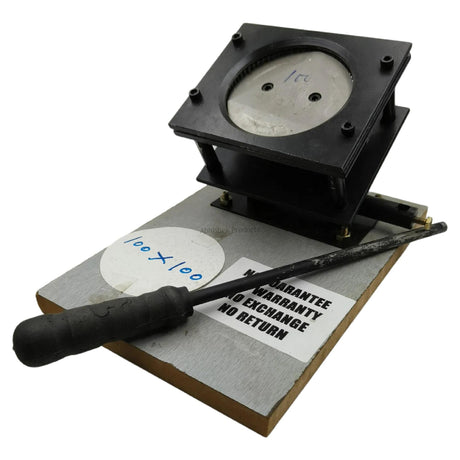
The core of this process involves four primary tools: a standard inkjet printer, a lamination machine, a die cutter, and a rotary cutter. By combining these elements, you can transform a simple digital design into a rigid, waterproof card that resists wear and tear. This setup is ideal for producing student IDs, employee badges, and membership cards with a professional finish.
Before you start
Beginners can start the process with a basic inkjet printer and an ordinary lamination machine to keep initial investment low. The primary requirement is a set of PVC inkjet sheets, which are widely available in the Indian market for small-scale production.
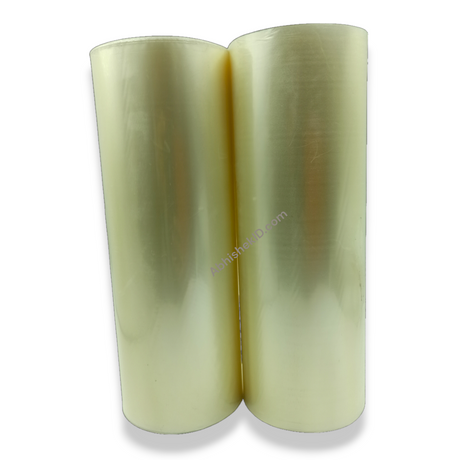
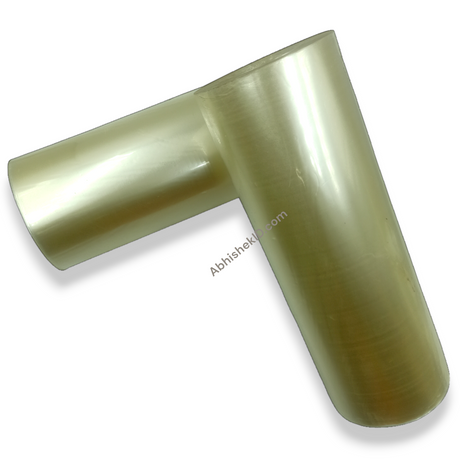
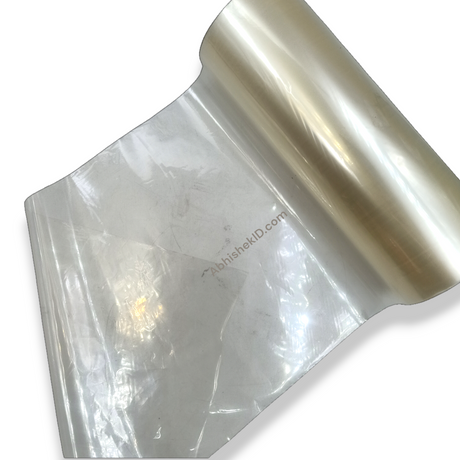
The best way to use the method is to ensure that your lamination machine is set to the correct temperature for PVC sheets and to use a heavy-duty die cutter for precise edges. Proper temperature control prevents the PVC from warping while ensuring a permanent bond between the layers.
For the highest quality results, always allow the inkjet prints to dry for a few minutes before placing them in the lamination machine. This prevents the ink from shifting during the heating process.
Frequently Asked Questions
⚡ Fast Answers Summary
- To follow this method, you need an inkjet printer, a lamination machine, a die cutter, and a rotary cutter.
- Yes, the cards are fully waterproof because the printing is done on PVC sheets that are then sealed through a lamination process.
- Yes, a standard inkjet printer is perfectly suitable for the ZF1P_NNDgZk method.
To follow this method, you need an inkjet printer, a lamination machine, a die cutter, and a rotary cutter. These tools allow you to print, fuse, and cut PVC ID cards at a very low cost compared to industrial ID printers. This setup is ideal for small businesses in India.
Yes, the cards are fully waterproof because the printing is done on PVC sheets that are then sealed through a lamination process. The lamination fuses the layers together, preventing water from reaching the ink. This makes the cards durable enough for daily use in humid or wet conditions.
Yes, a standard inkjet printer is perfectly suitable for the ZF1P_NNDgZk method. You do not need a specialized ID card printer. The key is to use inkjet-compatible PVC sheets, which allow the ink from a regular printer to adhere correctly before the lamination step.
A rotary cutter is considered "sone pe suhaaga" because it adds versatility to your production. While a die cutter is fixed to one size, a rotary cutter allows you to trim sheets to any size or clean up edges. It is a highly efficient tool for preparing materials before the final die-cutting stage.
While an ordinary cutter can work for very small batches, a heavy-duty die cutter is recommended for professional results. It provides more consistent pressure, which ensures that the edges of the PVC card are smooth and the corners are perfectly rounded every time, reducing waste and effort.
The ZF1P_NNDgZk method is specifically designed to minimize costs. By using a standard inkjet printer instead of expensive ribbon-based printers, you significantly lower the cost per card. Additionally, using multi-card PVC sheets and a manual lamination process further reduces the investment required for equipment.
⚡ Fast Answers Summary
- To follow this method, you need an inkjet printer, a lamination machine, a die cutter, and a rotary cutter.
- Yes, the cards are fully waterproof because the printing is done on PVC sheets that are then sealed through a lamination process.
- Yes, a standard inkjet printer is perfectly suitable for the ZF1P_NNDgZk method.
To follow this method, you need an inkjet printer, a lamination machine, a die cutter, and a rotary cutter. These tools allow you to print, fuse, and cut PVC ID cards at a very low cost compared to industrial ID printers. This setup is ideal for small businesses in India.
Yes, the cards are fully waterproof because the printing is done on PVC sheets that are then sealed through a lamination process. The lamination fuses the layers together, preventing water from reaching the ink. This makes the cards durable enough for daily use in humid or wet conditions.
Yes, a standard inkjet printer is perfectly suitable for the ZF1P_NNDgZk method. You do not need a specialized ID card printer. The key is to use inkjet-compatible PVC sheets, which allow the ink from a regular printer to adhere correctly before the lamination step.
A rotary cutter is considered "sone pe suhaaga" because it adds versatility to your production. While a die cutter is fixed to one size, a rotary cutter allows you to trim sheets to any size or clean up edges. It is a highly efficient tool for preparing materials before the final die-cutting stage.
While an ordinary cutter can work for very small batches, a heavy-duty die cutter is recommended for professional results. It provides more consistent pressure, which ensures that the edges of the PVC card are smooth and the corners are perfectly rounded every time, reducing waste and effort.
The ZF1P_NNDgZk method is specifically designed to minimize costs. By using a standard inkjet printer instead of expensive ribbon-based printers, you significantly lower the cost per card. Additionally, using multi-card PVC sheets and a manual lamination process further reduces the investment required for equipment.