✨ Featured Products


How to Card Lanyard Printing: A Complete Guide for Indian Businesses
How to Card Lanyard Printing: A Complete Guide for Indian Businesses
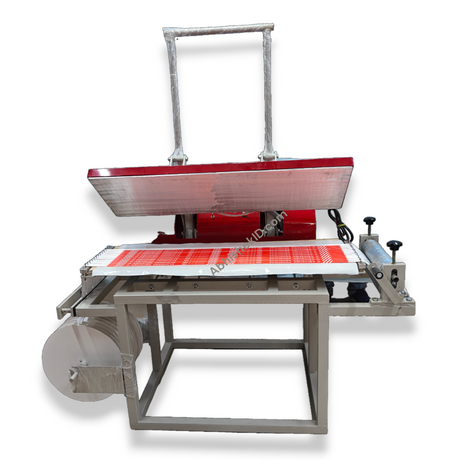
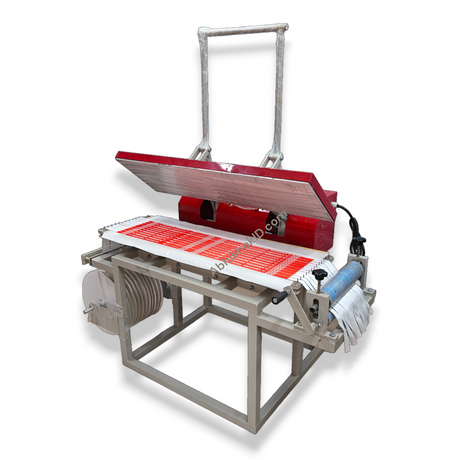
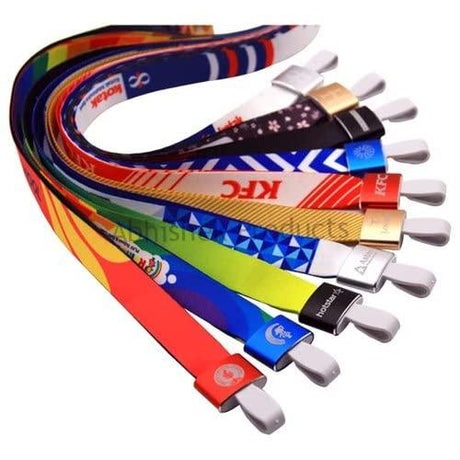
Card lanyard printing is a specialized sublimation process used to create branded neck straps for corporate IDs, schools, and events. By using a 13x40 heat press, businesses can transfer high-resolution, multicolor designs onto satin fabric rolls. This method ensures that the ink becomes part of the fabric, resulting in a durable and fade-resistant finish suitable for daily professional use.
Before you start
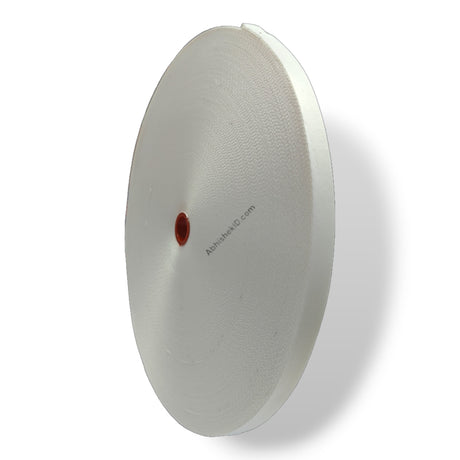
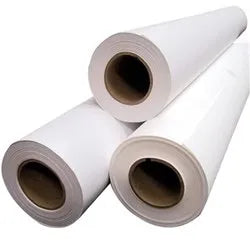
For beginners in the Indian ID card industry, card lanyard printing requires four essential components: a heat press, sublimation paper, satin rolls, and finishing hardware. It is important to understand that sublimation only works on polyester-based materials. The 16mm White Satin Roll For Sublimation Printing (₹Contact for price) is ideal for this because its high polyester content allows the ink to gasify and penetrate the fibers deeply.
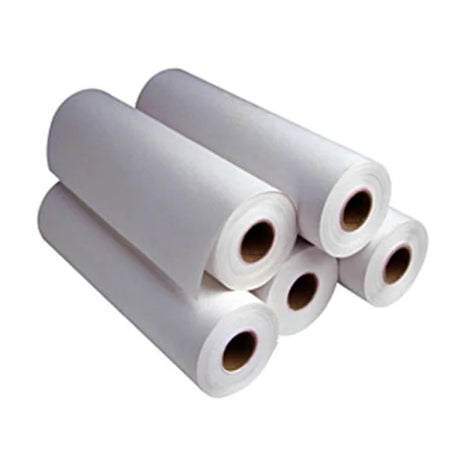
Card lanyard printing works through the chemical process of sublimation, where heat converts solid ink into a gas without passing through a liquid state. When the 13x40 Heat Press Machine for Multicolor ID Card Lanyard Printing Machine (₹Contact for price) reaches the correct temperature, the pores of the polyester fibers open up, allowing the ink from the 12 Inch Sublimation Paper Roll – A3 12 Inch 100 gsm 100 Meter (₹Contact for price) to enter.
Setup steps
Design preparation
The process begins with digital design preparation, where logos and text are mirrored for sublimation. Create your artwork in a graphics program, ensuring the dimensions match the 16mm width of your satin roll. Print this design onto the 100 gsm sublimation paper roll. The paper should be cut into strips that match the length of the lanyards you intend to produce.
Machine setup
Preheat your 13x40 Heat Press Machine to the recommended setting. To maximize efficiency, implement a roll-to-roll or batch processing workflow. Maintain a consistent temperature on your heat press, typically between 180 to 200 degrees Celsius, depending on the specific fabric thickness.
How to use the printer
- Align your printed sublimation paper with the 16mm White Satin Roll to ensure the design is centered and straight.
- Place the satin roll on the bottom platen, then layer the printed sublimation paper face down on top of the satin.
- Close the press for approximately 40 to 60 seconds. Ensure the pressure is adjusted so that the entire surface area of the lanyard receives equal heat.
- Once the timer sounds, carefully open the press and remove the paper to reveal the transferred design.
- Allow the lanyards to cool before cutting the printed satin to the desired length.
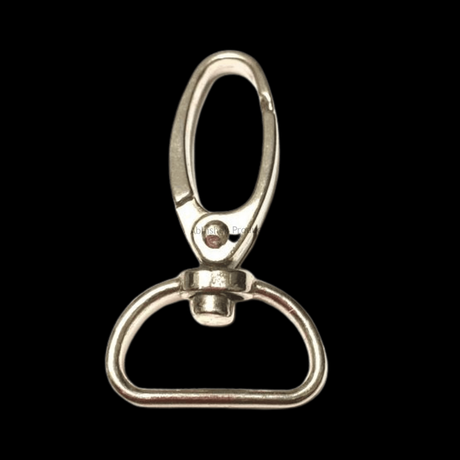
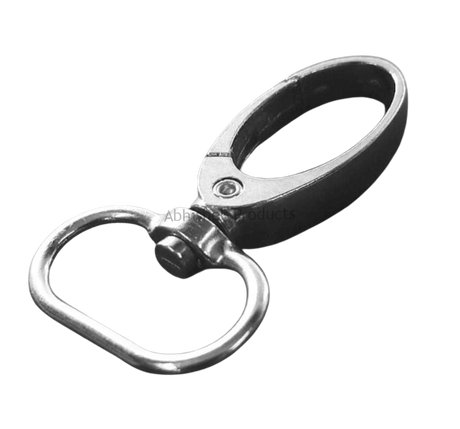
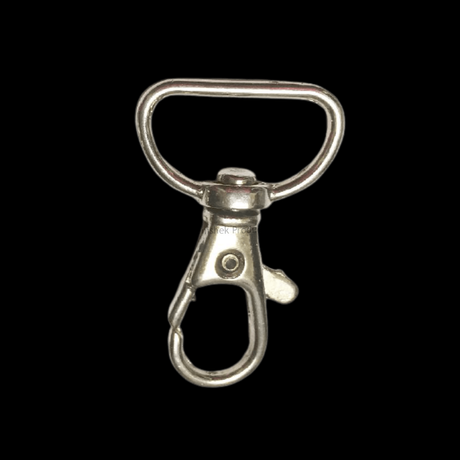
- Attach the hardware, such as the 12 mm & 16 mm Fish Hook (Compatible) - Id Card Hook For Lanyards & Tags (₹Contact for price), using a crimping tool or sewing machine to secure the ID card holder.
Troubleshooting or common issues
- Ghosting or faded spots: This often occurs on the edges of the print if the pressure is not consistent. Ensure the 13x40 heat press pressure is adjusted so the entire surface area receives equal heat.
- Ink bleeding: Use a high-quality 100 gsm paper roll to prevent ink from bleeding through, ensuring colors remain vibrant and sharp.
- Paper curling: Using 100 gsm paper ensures the printer can handle the ink load without curling during the process.
- Fading: Ensure the material is polyester-based; sublimation on non-polyester materials will not result in a permanent bond.
Related products
- 13x40 Heat Press Machine for Multicolor ID Card Lanyard Printing Machine (₹Contact for price) – Ideal for professional lanyard production because its large platen size allows for full-length printing in one cycle.
- 16mm White Satin Roll For Sublimation Printing (₹Contact for price) – Ideal for high-volume orders because it provides a smooth, high-polyester surface that captures vibrant sublimation colors perfectly.
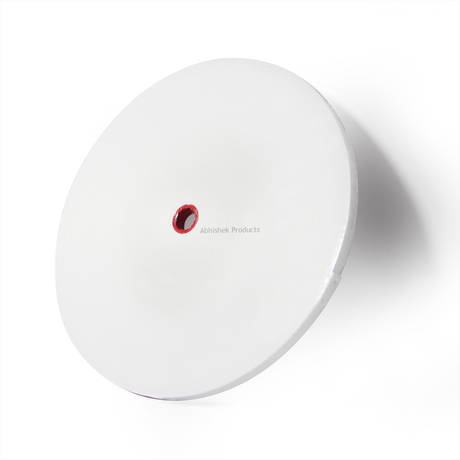
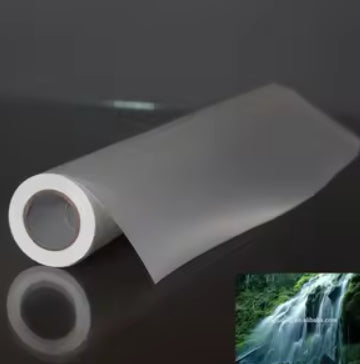
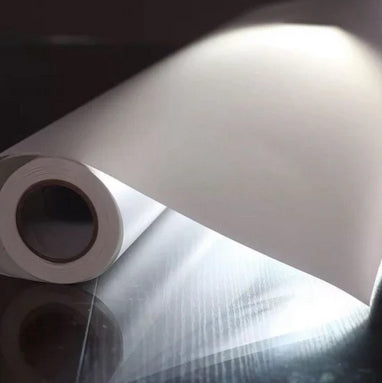
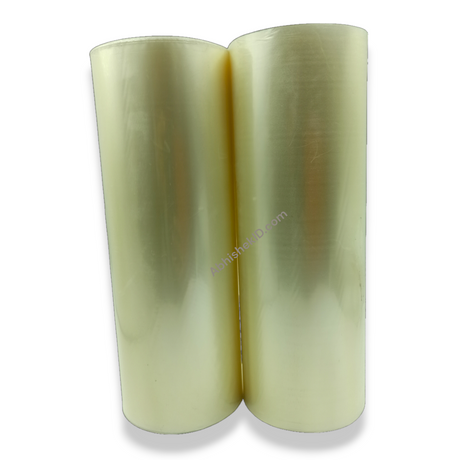
- 12 Inch Sublimation Paper Roll – A3 12 Inch 100 gsm 100 Meter (₹Contact for price) – Ideal for detailed designs because the 100 gsm weight provides excellent ink holdout and transfer efficiency.
- 12 mm & 16 mm Fish Hook (Compatible) - Id Card Hook For Lanyards & Tags (₹Contact for price) – Ideal for finishing lanyards because it is compatible with standard 12mm and 16mm widths and offers a secure attachment for ID tags.
Frequently Asked Questions
⚡ Fast Answers Summary
- To perform card lanyard printing, you need a 13x40 heat press machine, a sublimation printer, sublimation ink, and high-quality transfer paper.
- Yes, multicolor designs are easily achieved through the sublimation process.
- The ideal temperature for lanyard sublimation typically ranges between 180°C and 200°C.
To perform card lanyard printing, you need a 13x40 heat press machine, a sublimation printer, sublimation ink, and high-quality transfer paper. Additionally, you require polyester satin rolls and finishing hardware like fish hooks. The 13x40 Heat Press Machine is the central piece of equipment that facilitates the transfer of designs onto the fabric.
Yes, multicolor designs are easily achieved through the sublimation process. By using the 12 Inch Sublimation Paper Roll, you can print complex logos and gradients that transfer perfectly onto the 16mm White Satin Roll. Sublimation allows for unlimited color options without the need for separate screens or plates.
The ideal temperature for lanyard sublimation typically ranges between 180°C and 200°C. You should press the material for approximately 40 to 60 seconds using the 13x40 Heat Press Machine. Precise temperature control is necessary to ensure the ink gasifies correctly and bonds with the polyester fibers without scorching the satin fabric.
Using a 100 gsm paper, such as the 12 Inch Sublimation Paper Roll, is recommended because it provides the necessary thickness to hold high volumes of ink. This prevents the paper from curling or the ink from soaking through to the back, which ensures a cleaner and more vibrant transfer onto the lanyard material.
After printing and cutting the lanyard to the correct length, you attach the 12 mm & 16 mm Fish Hook by looping the fabric through the hook's eyelet. The fabric is then secured using a metal crimp or by stitching the ends together. This creates a durable loop that can hold ID cards and badges securely.
While various materials exist, the 16mm White Satin Roll is the industry standard for sublimation because white provides a neutral base for all colors. The satin finish offers a professional look and a smooth texture that is comfortable for the wearer, making it the most popular choice for corporate and school lanyards.