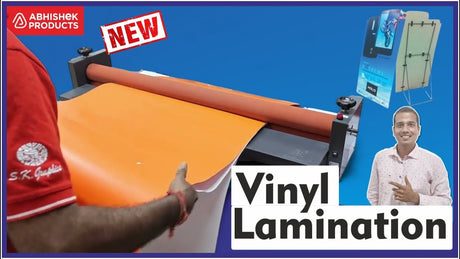
How To Install & Use A Roll To Roll Lamination Machine - Explained in Telugu
Quick Answer: Installing and using a roll-to-roll lamination machine involves correctly aligning and loading the lamination film, ensuring it passes under the guide rods, and locking it securely. The machine heats up to melt the film's glue, bonding it to your documents. Key steps include using a waste sheet for initial feed, always laminating two sides to prevent issues, and regular cleaning with a specialized roller cleaner. Avoid reversing the film roll for optimal results.
- - Continuous lamination for high volume tasks.
- - Utilizes rolls of film instead of individual pouches.
- - Ideal for protecting documents, certificates, and ID cards.
- - Provides a durable, protective, and professional finish.
- - Efficient solution for businesses requiring frequent lamination.
Primary Topic: How To Install & Use A Roll To Roll Lamination Machine - Explained in Telugu
Category: ID Card Printing & Supplies
Format: Step-by-Step Guide & Specifications
What Is How To Install & Use A Roll To Roll Lamination Machine - Explained in Telugu
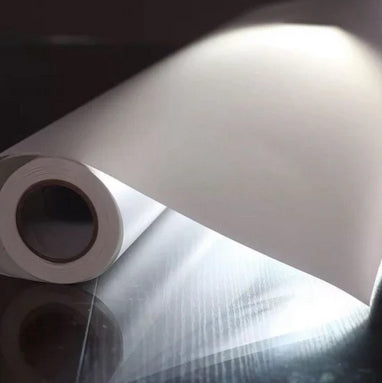
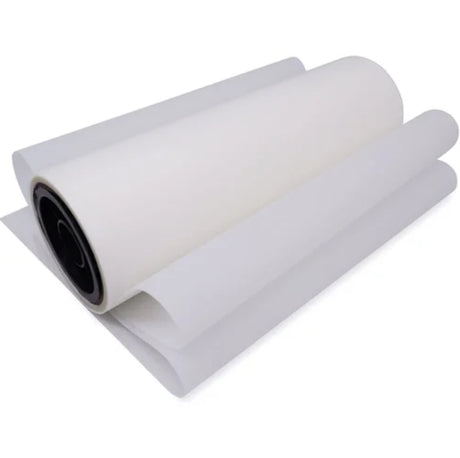
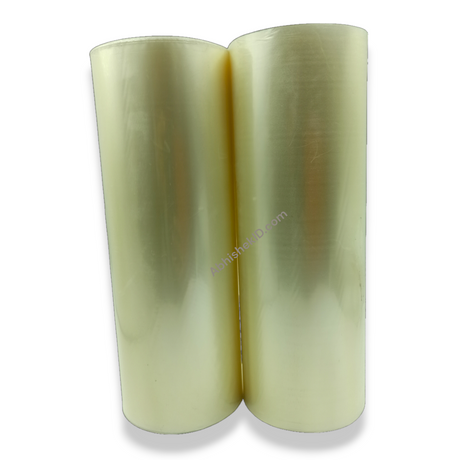
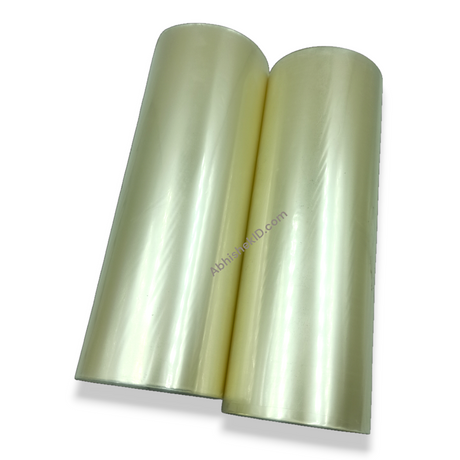
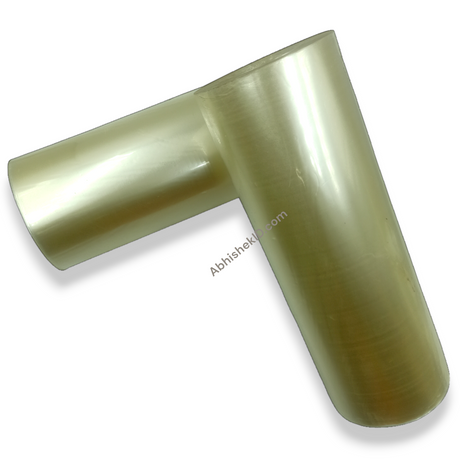
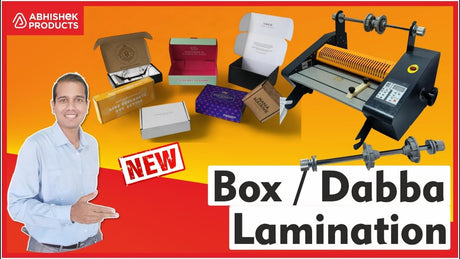
A roll-to-roll lamination machine is a device used to apply a protective film to documents, ID cards, or other materials using continuous rolls of lamination film. This process involves heating the film to melt its adhesive, which then bonds securely to the item being laminated. AbhishekID.com offers various models, including the 13 Inch Steel Roll To Roll Thermal Lamination Machine 360, suitable for businesses in Secunderabad and across India.
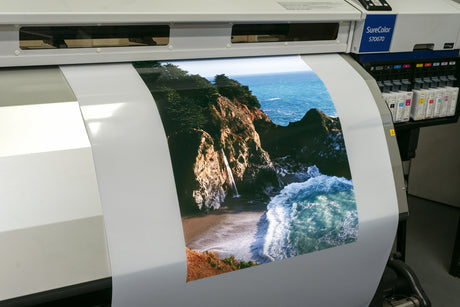
These machines are designed for efficiency, handling larger volumes and sizes compared to pouch laminators. The continuous roll system minimizes waste and allows for faster processing of multiple items. Understanding its setup and operation ensures professional and durable results for all your lamination needs.
- - Continuous lamination for high volume tasks.
- - Utilizes rolls of film instead of individual pouches.
- - Ideal for protecting documents, certificates, and ID cards.
- - Provides a durable, protective, and professional finish.
- - Efficient solution for businesses requiring frequent lamination.
How Does a Roll-to-Roll Lamination Machine Work?
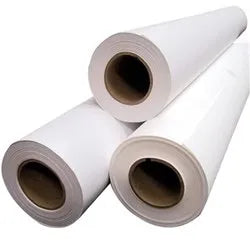
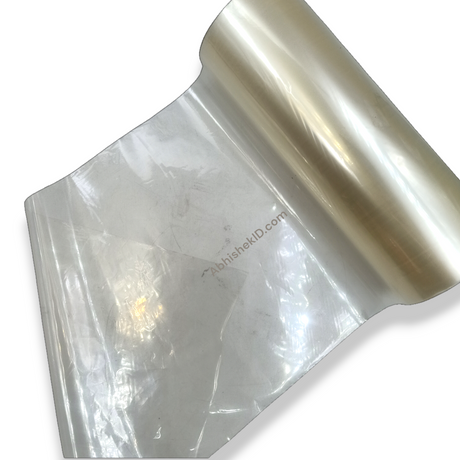
A roll-to-roll lamination machine works by feeding documents through heated rollers that apply a continuous film. First, the lamination film is correctly aligned and threaded under the machine's guide rods, then locked into place. As the machine heats up, the glue on the film melts, allowing it to adhere to the document.
The document is then pressed firmly against the heated film, ensuring a strong, bubble-free bond. This continuous process allows for efficient lamination of multiple items or long documents. The machine's design ensures the film is held taut and evenly applied throughout the operation, providing consistent quality.
- - Lamination film is precisely aligned and fed under guide rods.
- - Heating elements activate and melt the film's adhesive.
- - Documents pass through, bonding securely with the melted film.
- - The film roll is locked to maintain consistent tension.
- - Features a continuous feed mechanism for efficient processing of multiple items.
Step-by-Step Guide to Roll-to-Roll Lamination
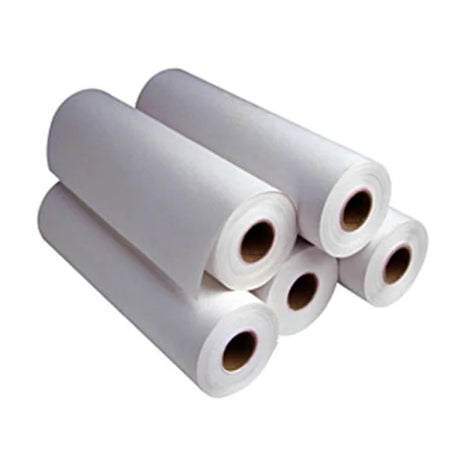
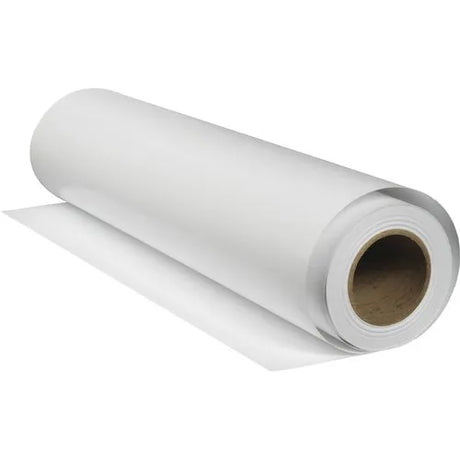
Installing and using a roll-to-roll lamination machine involves several key steps to ensure proper operation and quality results. Begin by correctly aligning the lamination film and threading it under the machine's guide rods. Ensure the film is positioned so the adhesive side faces inwards on both rolls.
Once the film is correctly threaded, lock the rod securely into its upper U-shaped slot. Before laminating your actual documents, use a waste sheet to initiate the film feed. This helps to properly align the film and ensures a smooth start for your valuable documents. After the initial feed, you can continuously laminate your documents without interruption.
- - Align the lamination film precisely on the machine.
- - Thread the film carefully under the machine's guide rods.
- - Verify that the adhesive side of the film faces inwards on both rolls.
- - Securely lock the film rod into its designated U-shaped slot.
- - Use a waste sheet for the initial film insertion and alignment.
- - Continuously feed your documents for lamination after the setup.
- - Turn off and fold the machine properly after each use.
Best Practices for Roll-to-Roll Lamination
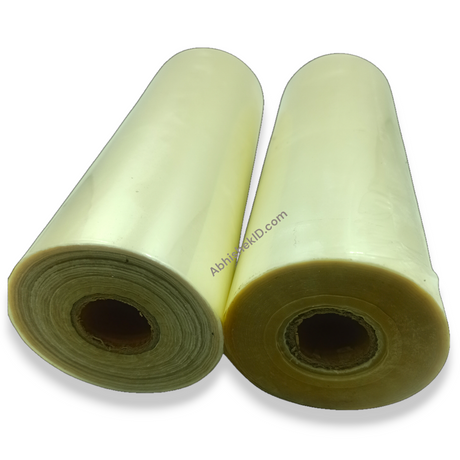
To ensure your roll-to-roll lamination machine operates efficiently and produces high-quality results, follow these best practices. Always ensure the lamination roll is inserted correctly; avoid putting the roll in reverse, as this can lead to problems. It is also recommended to laminate documents using film on both sides, which prevents issues and ensures a durable finish.
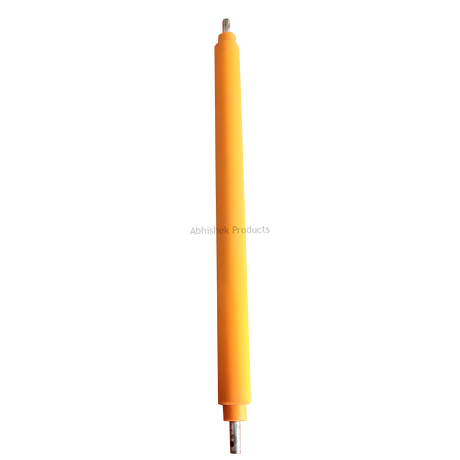
Regular cleaning of the machine's rollers is crucial for smooth operation and to prevent adhesive buildup. Products like the Lamination Machine Roller Cleaner from AbhishekID.com are available to help maintain your machine. This prevents glue residue from affecting future laminations and extends the lifespan of your equipment, ensuring consistent performance.
| Parameter | Recommendation |
|---|---|
| Film Roll Orientation | Always insert correctly; do not reverse the roll. |
| Lamination Type | Two-sided lamination is highly recommended for durability. |
| Roller Maintenance | Clean rollers regularly using a specialized chemical cleaner. |
| Initial Document Feed | Always use a waste sheet to prepare the film and machine. |
| Machine Size Selection | Choose a machine size that matches or exceeds your largest document (e.g., 13-inch for A3+). |
Advantages and Maintenance Tips
Roll-to-roll lamination offers several advantages, primarily in its ability to handle continuous and high-volume lamination tasks efficiently. The use of adhesive-backed film, once heated, securely bonds to documents, providing a protective layer that prevents damage. This method ensures that glue does not seep out, keeping your documents clean and intact.
For maintenance, regular cleaning of the rollers is essential. A specialized chemical cleaner, often available in a white container, should be used periodically to remove any adhesive residue. This simple step prevents common operational problems and extends the machine's lifespan. After use, it's good practice to fold and turn off the machine, ensuring its longevity.
- - Highly efficient for continuous and large-volume lamination projects.
- - Provides superior protection against document damage and wear.
- - Ensures clean lamination as melted glue bonds without seeping out.
- - Regular cleaning prevents adhesive residue buildup on rollers.
- - Proper maintenance significantly extends the machine's operational lifespan.
- - Guarantees consistent, high-quality lamination results over time.
A3 vs. A4 Lamination Machines
When choosing a lamination machine, understanding the difference between A3 and A4 capabilities is crucial. An A3 size machine, like the 13 Inch Steel Roll To Roll Thermal Lamination Machine 360 or the Snnkenn 12 Inch A3 350 Mic Lamination Machine, can laminate documents up to 13 inches wide. This is slightly larger than a standard A3 document, which is approximately 11.5 inches, offering more versatility for various paper sizes.
In comparison, an A4 lamination machine is designed for smaller documents, typically up to 8.5 inches wide. If your primary need is for ID cards or standard letter-sized papers, an A4 machine might suffice. However, for larger certificates, posters, or a wider range of document sizes, an A3 machine provides greater flexibility and is a better alternative for businesses with diverse lamination needs.
| Feature | A3 (13-inch) Machine | A4 Machine |
|---|---|---|
| Max Lamination Width | 13 inches (approx 33 cm) | Approx 8.5 inches (approx 21.6 cm) |
| Document Compatibility | A3, A4, Legal, ID cards, custom sizes | A4, Letter, ID cards, smaller documents |
| Typical Use Case | Certificates, posters, large documents, high-volume tasks | Standard documents, photos, small certificates, personal use |
| Product Example | 13 Inch Steel Roll To Roll Thermal Lamination Machine 360 | Smaller desktop models (contact AbhishekID.com for options) |
Frequently Asked Questions
⚡ Fast Answers Summary
- To properly load the lamination film, align it carefully and thread it under the guide rods.
- Using a waste sheet before laminating your actual documents is crucial for initial setup.
- Laminating documents on both sides is highly recommended to prevent problems and ensure a durable, long-lasting finish.