- How to
- What is the best way to use general
- general guide for beginners
- general step by step
- How does general work
- Best Products for Display Lamination
- How to Create Professional Displays: Step-by-Step
- Frequently Asked Questions
- Why is cold lamination mandatory for displays?
- What is the benefit of mounting a print?
- Why does AbhishekID recommend repeating the process 2-3 times?
- How does professional mounting save time for business owners?
- Is a manual laminator sufficient for beginners?
- Where can I get more information about lamination techniques?
How to ti4KjO2LO0E: Professional Cold Lamination and Mounting Guide
How to ti4KjO2LO0E: Professional Cold Lamination and Mounting Guide
Creating a high-quality display for your business in India requires more than just a good print. According to the expert insights from AbhishekID, located in Secunderabad, the combination of cold lamination and mounting is essential for any professional setup. These processes ensure that your branding is durable, clear, and visually striking.
How to
The process of refers to the specific display enhancement method where cold lamination and mounting are used together to create a 'shandaar' or grand presentation. This technique is mandatory for businesses that want their messaging to be understood by customers without constant verbal explanation. By following this specific workflow, you ensure that the display remains rigid and the colors stay vibrant under various lighting conditions common in Indian retail environments.
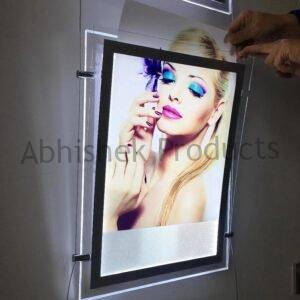
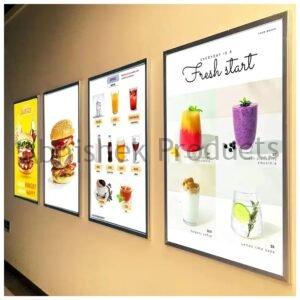
When you implement the method, you are essentially protecting the print from environmental factors while providing a solid backing. This is particularly useful for ID card shops and printing centers that produce indoor signage or promotional boards. The goal is to make the life of the business owner easier by creating a self-explanatory display.
What is the best way to use general
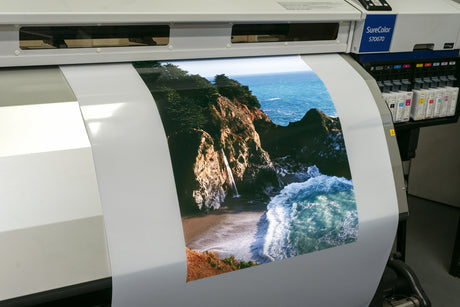
The best way to use general mounting and lamination techniques is to ensure the surface is clean and the pressure is consistent. In the context of general display making, cold lamination is preferred over hot lamination for sensitive materials to avoid heat-induced warping. Using a Roll-to-Roll Lamination Machine (₹15,999) allows for even pressure distribution across the entire surface of the display.
For general applications, you should apply the lamination film slowly to avoid air bubbles. Once the lamination is complete, mounting the print onto a rigid board like sunboard or foam core provides the necessary structural integrity. This dual-action approach ensures that the final product does not curl or peel at the edges, which is a common issue with low-quality displays.
general guide for beginners
For beginners entering the printing and ID card industry in India, understanding the difference between lamination and mounting is crucial. Lamination is the process of applying a thin plastic film to protect the print, while mounting is the process of sticking that print onto a solid base. A general guide for beginners starts with selecting the right equipment for your volume of work.
If you are just starting, a Manual Laminator is a cost-effective entry point. Beginners should practice on smaller prints before moving to large-scale displays. The key is to repeat the process two to three times as suggested in the AbhishekID tutorial to ensure the adhesive bonds perfectly with the substrate. This repetition is the secret to achieving a professional finish that looks expensive but is actually very affordable to produce.
general step by step
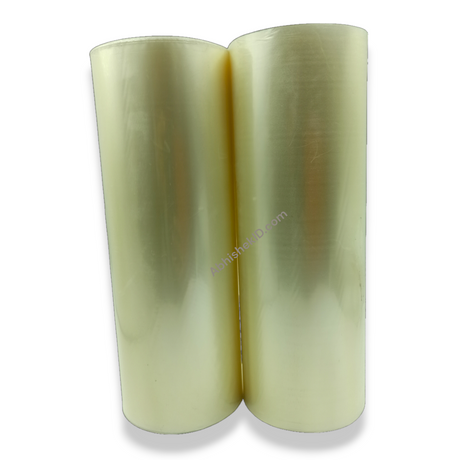
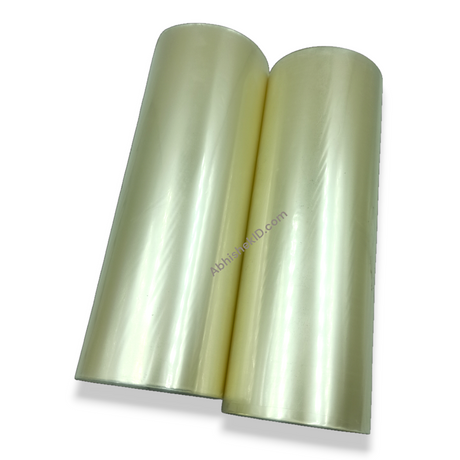
Following a general step-by-step workflow is the most efficient way to produce consistent results in a busy print shop. First, prepare your printed graphic and ensure it is free from dust. Second, align your cold lamination film over the print. Third, pass the assembly through the laminator rollers at a steady speed. Fourth, take the laminated print and align it with your mounting board.
The final step involves passing the mounted board through the rollers again. As emphasized in the AbhishekID video, doing this two to three times is vital. This ensures that the message on the display is crisp and the 'shandaar' look is achieved. This repetitive pressure helps in removing any microscopic air pockets that could lead to delamination over time, especially in the humid Indian climate.
How does general work
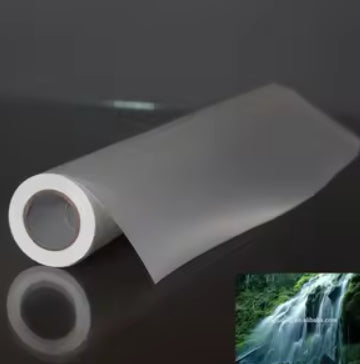
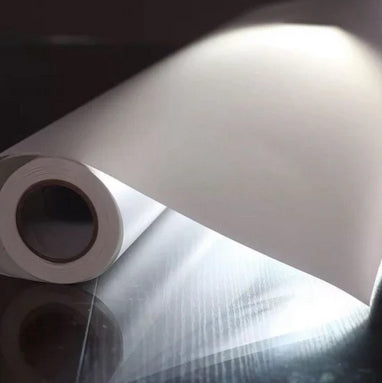
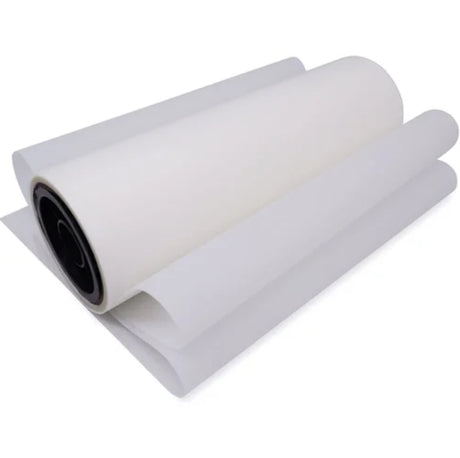
General cold lamination works by using pressure-sensitive adhesives to bond a protective film to the surface of a print. Unlike hot lamination, it does not require heat, making it safer for a wider variety of inks and media. Mounting works by using a high-tack adhesive to fix the print onto a rigid substrate, which prevents the paper or vinyl from sagging or wrinkling.
When these two processes work together, they create a composite structure that is much stronger than the individual parts. The lamination provides UV protection and scratch resistance, while the mounting provides the 'display' quality. This synergy is what makes the customer's messaging clear and easy to understand. For high-volume businesses, using a Roll-to-Roll Lamination Machine (₹15,999) is the most efficient way to make this general process work at scale.
Best Products for Display Lamination
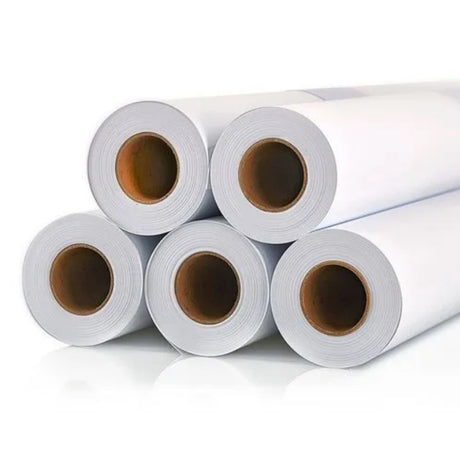
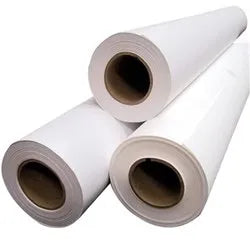
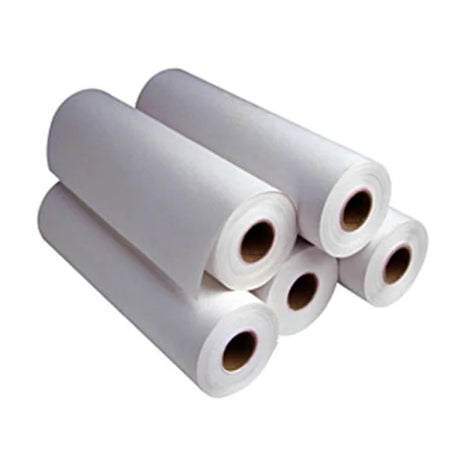
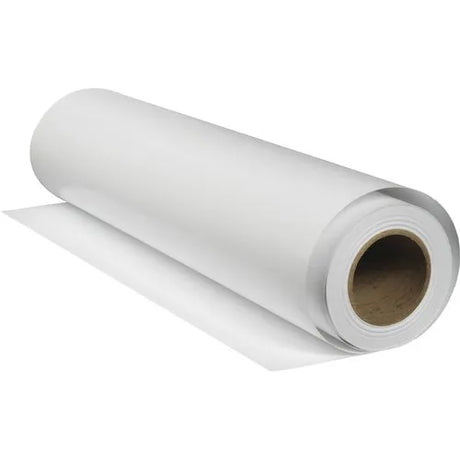
The Roll-to-Roll Lamination Machine (₹15,999) is ideal for high-volume display production because it offers automatic feeding and consistent pressure for both lamination and mounting tasks.
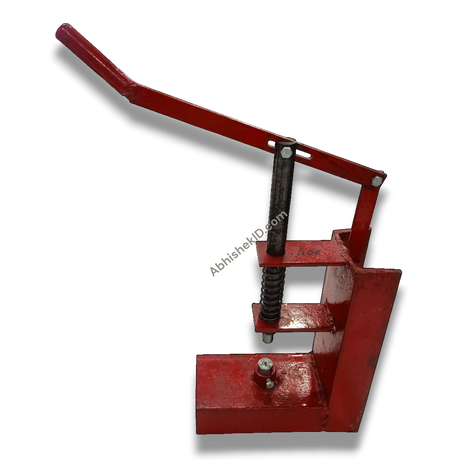
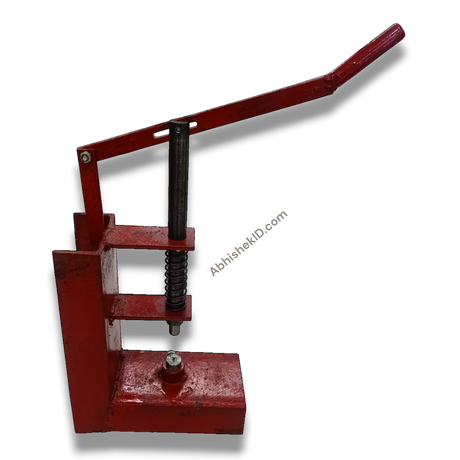
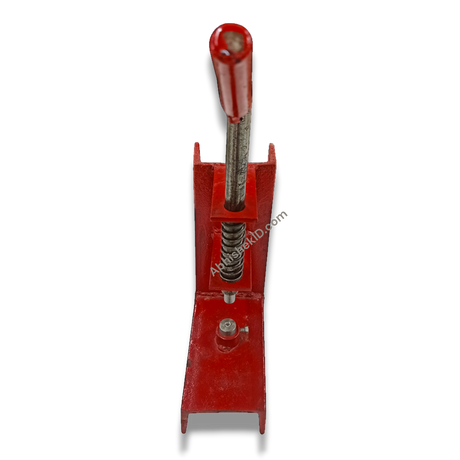
The Manual Laminator is ideal for small business owners and beginners because it provides a low-cost way to start offering professional mounting services without a large upfront investment.
How to Create Professional Displays: Step-by-Step
- Clean the print surface thoroughly to remove any dust or debris that could cause bumps under the lamination film.
- Set up your Roll-to-Roll Lamination Machine (₹15,999) by adjusting the roller tension to match the thickness of your mounting board.
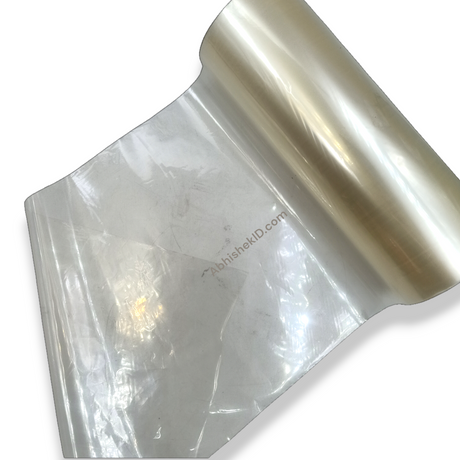
- Apply the cold lamination film to the print in a single, continuous motion to ensure a smooth, bubble-free finish.
- Align the laminated print onto the mounting substrate (like sunboard) and feed it through the rollers 2-3 times to ensure maximum adhesion.
- Trim the edges of the board for a clean, professional look that is ready for customer delivery.
Frequently Asked Questions
Why is cold lamination mandatory for displays?
Cold lamination is mandatory because it protects the print from scratches, moisture, and fading without using heat that could damage the ink or substrate. It provides a professional finish that makes the display look 'shandaar' and ensures the colors remain vibrant for a longer period, which is essential for effective customer messaging.
What is the benefit of mounting a print?
Mounting provides structural rigidity to a print, preventing it from curling, wrinkling, or sagging when displayed. By sticking the print onto a solid board, you create a professional-grade sign or display that can stand on its own or be easily mounted to walls, making your business message much easier for customers to see.
Why does AbhishekID recommend repeating the process 2-3 times?
Repeating the lamination or mounting process 2-3 times through the rollers ensures that the pressure-sensitive adhesive is fully activated and all air bubbles are removed. This extra effort results in a superior bond and a flatter, more professional-looking display that won't peel over time, saving you from having to redo the work.
How does professional mounting save time for business owners?
Professional mounting saves time because a high-quality, clear display communicates your message automatically to the customer. When the display is 'shandaar' and easy to read, you don't have to explain the same information repeatedly to every person who walks in, allowing you to focus on other business tasks.
Is a manual laminator sufficient for beginners?
Yes, a Manual Laminator is an excellent choice for beginners in the Indian market. It allows you to learn the basics of cold lamination and mounting with a minimal investment. As your business grows and your volume increases, you can eventually upgrade to an automated roll-to-roll system.
Where can I get more information about lamination techniques?
You can get more information by joining the AbhishekID WhatsApp group or subscribing to their YouTube channel. They regularly share practical tips, equipment demonstrations, and industry insights specifically tailored for the Indian printing and ID card business community to help make your work life easier.
For more professional printing equipment and supplies, visit the AbhishekID.com homepage.