- TL;DR
- How to 40'' Roll To Roll Hot Lamination Machine For Maps, Cad Print, Posters | Abhishek Products
- What is the best way to use
- guide for beginners
- step by step
- How does work
- Best Products for Large Format Lamination
- Frequently Asked Questions
- What is a zero-size lamination machine?
- Can this machine laminate both sides of a poster at once?
- Is the 40'' Roll to Roll machine suitable for CAD maps?
- Where can I purchase this lamination machine in India?
- What types of photos are typically laminated with this machine?
- Why is roll-to-roll lamination better than pouch lamination for large prints?
Need a 40'' Roll Laminator for Maps & Posters?
Need a 40'' Roll Laminator for Maps & Posters?
TL;DR
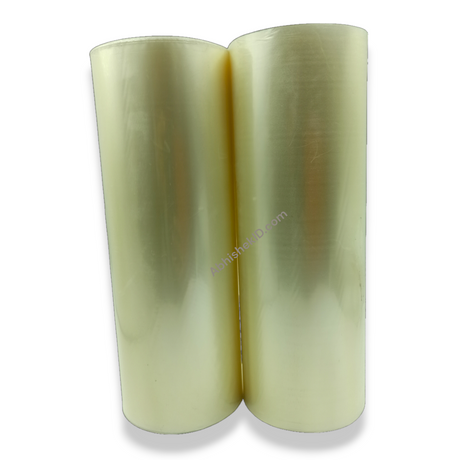
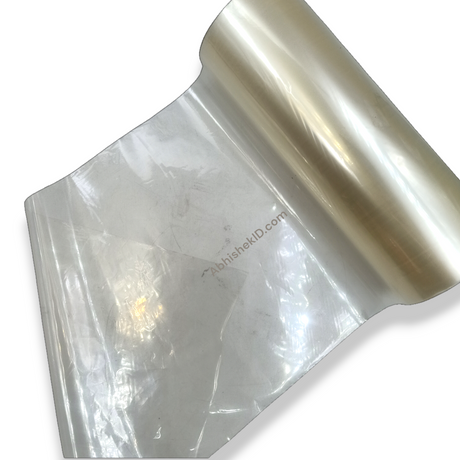
The 40'' Roll to Roll Hot Lamination Machine is a specialized thermal laminator designed for large-format documents, including zero-size CAD maps and jumbo Xerox prints. It features a dual-roller system that enables simultaneous top and bottom lamination, ensuring a bubble-free finish for posters and religious photo frames. This machine is essential for print shops in India requiring high-volume, wide-format protection for architectural and commercial graphics.
How to 40'' Roll To Roll Hot Lamination Machine For Maps, Cad Print, Posters | Abhishek Products
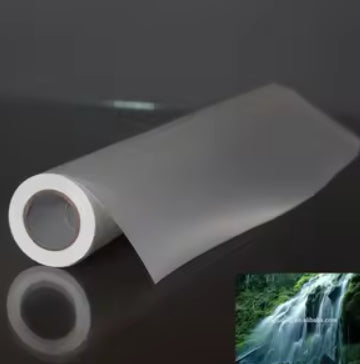
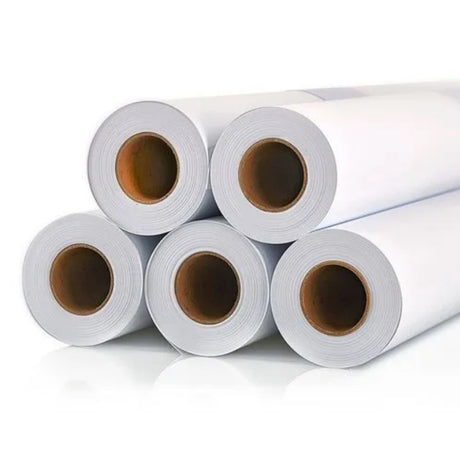
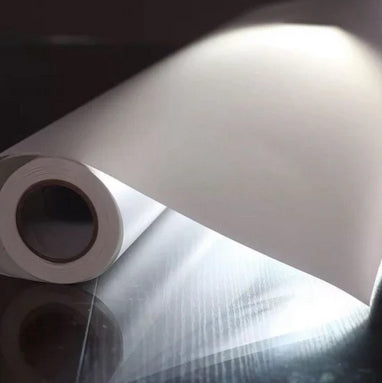
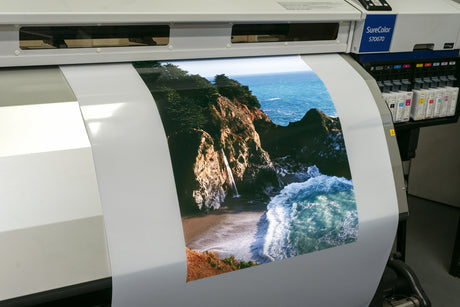
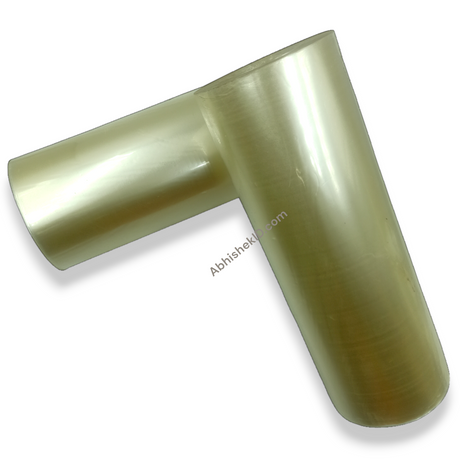
Operating a 40'' Roll to Roll Hot Lamination Machine requires careful alignment of the thermal film rolls to ensure consistent coverage across large-format prints. This machine is specifically engineered to handle 'Zero Size' documents, which are common in Indian architectural and engineering sectors for CAD maps and site plans. The hot lamination process uses heat-activated adhesive film that bonds permanently to the paper surface, providing a waterproof and tear-resistant barrier. For posters and commercial advertisements, the roll-to-roll mechanism allows for continuous processing, which is significantly faster than manual pouch lamination. Abhishek Products in Secunderabad provides these machines to help businesses scale their large-format finishing capabilities.
When laminating CAD maps, the precision of the rollers is critical to prevent distortion of the technical drawings. The 40-inch width capacity accommodates standard A0 and larger custom sizes, making it a versatile tool for specialized print bureaus. In the Indian market, this machine is frequently used for jumbo Xerox lamination, where large photocopies of legal or technical documents need long-term preservation. The heat settings must be adjusted based on the thickness of the lamination film, typically ranging from 25 microns to 250 microns, to ensure the adhesive melts uniformly without damaging the original print.
What is the best way to use
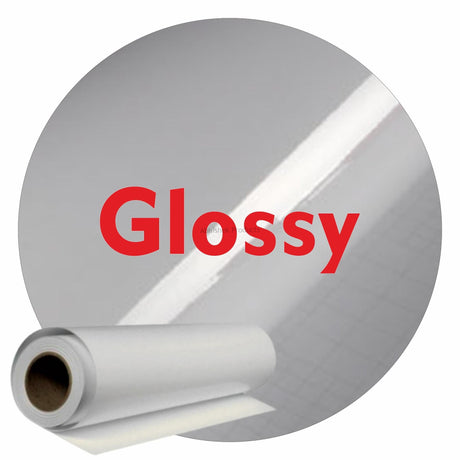
The best way to use the roll-to-roll machine is to utilize its simultaneous top and bottom lamination feature to save time and ensure structural integrity. By feeding the document between two active film rolls, the machine seals both sides in a single pass, which prevents the paper from curling—a common issue with single-sided lamination. This method is particularly effective for religious photo frames and god photos sold in Indian retail markets, as it provides a rigid, high-gloss finish that enhances color depth. Users should ensure the machine has reached the optimal operating temperature before feeding the first document to avoid silvering or improper bonding.
For high-volume production, the best practice involves maintaining a consistent feed rate. The model is designed for industrial-grade output, meaning it can handle multiple posters in a continuous stream. In Secunderabad and Hyderabad, print shop owners use this machine to process bulk orders of educational charts and marketing banners. It is recommended to leave a small margin of film around the edges of the document to create a complete hermetic seal, which is vital for maps used in outdoor construction environments where moisture exposure is high.
guide for beginners
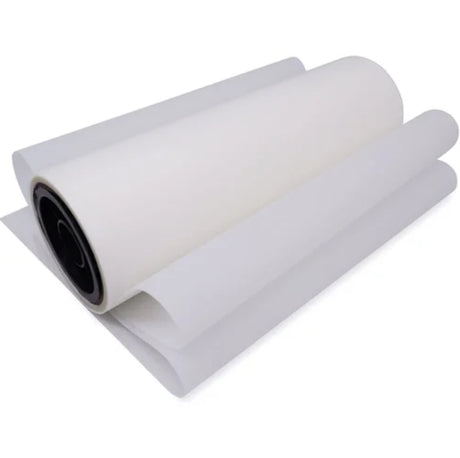
Beginners using the 40'' laminator should start by understanding the threading process of the film rolls. The machine uses two rolls: one mounted on the top and one on the bottom. The film must be threaded through the tension rollers so that the adhesive side faces the document. For those new to large-format lamination in India, it is advisable to practice with scrap jumbo Xerox paper to master the alignment. If the film is too loose, it will cause wrinkles; if it is too tight, it may stretch the film or stall the motor. Finding the correct tension balance is the first step in professional lamination.
Temperature control is the next critical skill for beginners. Most hot lamination machines for posters require a warm-up period of 5 to 10 minutes. Beginners should monitor the ready light or temperature gauge provided by Abhishek Products. For standard 100-micron film, a medium heat setting is usually sufficient. If the output appears cloudy, the temperature is too low; if the film bubbles or the paper scorches, the temperature is too high. Beginners should also learn to use the reverse function, which is essential for clearing occasional jams without damaging the internal silicone rollers.
step by step
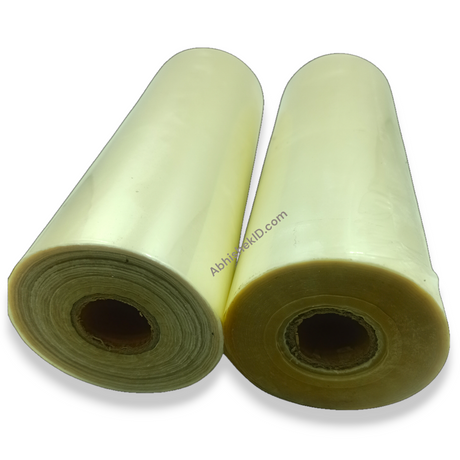
The step-by-step operation of the begins with the installation of the lamination film rolls onto the mandrels. Ensure the rolls are centered so that they align perfectly with each other. Once the film is threaded and the machine is powered on, set the heater to the required temperature based on the film thickness. Wait for the machine to reach its thermal equilibrium. Once ready, place the CAD map or poster on the feed tray and gently push it toward the nip rollers. The rollers will grab the document and pull it through the heated section, applying the film to both sides simultaneously.
As the laminated document exits the rear of the machine, it should be allowed to cool slightly before cutting. For continuous roll-to-roll jobs, use a sharp trimmer or the integrated cutter if available to separate individual posters. In a professional setup in Hyderabad, this process is often followed by a final trim to remove the transparent borders. It is important to keep the rollers clean; any adhesive buildup on the silicone will cause defects in future lamination jobs. After finishing the session, turn off the heaters but keep the rollers turning for a few minutes to allow them to cool down evenly, preventing flat spots.
How does work
The works through a combination of heat, pressure, and synchronized roller movement. The core of the machine consists of two large-diameter heated rollers that serve dual purposes: melting the solid adhesive on the lamination film and pressing it firmly onto the substrate. The roll-to-roll system ensures that the film is fed at the exact same speed as the document, which eliminates the risk of bunching or misalignment. This synchronized movement is powered by a high-torque motor designed to handle the weight of 40-inch wide film rolls, making it suitable for heavy-duty use in Indian printing hubs.
Internally, the machine uses infrared or resistance heating elements to maintain a stable temperature across the entire width of the rollers. This uniform heat distribution is what allows for the lamination of jumbo Xerox prints without cold spots. The pressure is adjustable, allowing the operator to accommodate different paper thicknesses, from thin CAD bond paper to thick photographic cardstock used for god photos. By applying heat and pressure simultaneously to both the top and bottom, the creates a composite structure that is much stronger than the original paper, providing the durability required for maps and posters in commercial applications.
Best Products for Large Format Lamination
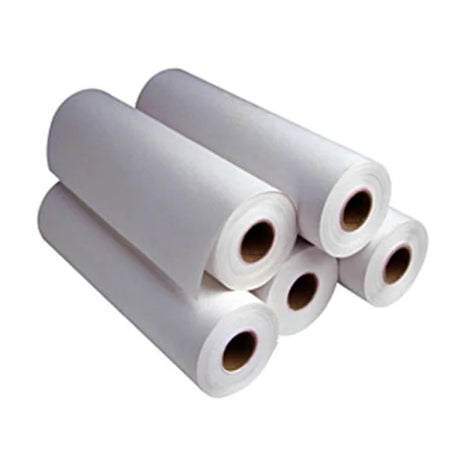
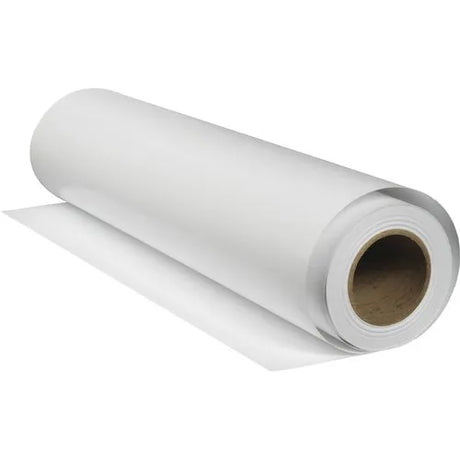
The 40'' Roll To Roll Hot Lamination Machine (Price available at Secunderabad showroom) is ideal for zero-size CAD maps because it features a 40-inch wide heated roller system for simultaneous dual-sided protection.
The Jumbo Xerox Thermal Laminator (Contact Abhishek Products for pricing) is ideal for architectural firms because it provides a permanent, waterproof bond for large-scale technical drawings and site plans.
Frequently Asked Questions
What is a zero-size lamination machine?
A zero-size lamination machine is a wide-format laminator capable of processing A0 size documents, which measure approximately 33.1 x 46.8 inches. The 40'' Roll to Roll Hot Lamination Machine from Abhishek Products is designed specifically for these large dimensions, making it suitable for CAD maps, architectural blueprints, and jumbo Xerox prints common in the Indian construction and engineering industries.
Can this machine laminate both sides of a poster at once?
Yes, the 40'' Roll to Roll Hot Lamination Machine features a dual-roller system that allows for simultaneous top and bottom lamination. By using two rolls of film, the machine seals both sides of the document in a single pass. This is the most efficient method for protecting posters and god photos, as it saves time and prevents the paper from warping or curling.
Is the 40'' Roll to Roll machine suitable for CAD maps?
This machine is highly suitable for CAD maps because it provides a flat, transparent, and durable protective layer that does not obscure fine technical details. The heat-activated adhesive ensures that the lamination does not peel off even when the maps are rolled and unrolled frequently at construction sites. The 40-inch width easily accommodates standard CAD print sizes used in India.
Where can I purchase this lamination machine in India?
You can purchase or view a demonstration of this machine at the Abhishek Products showroom located in Secunderabad, India. As an established supplier in the Hyderabad region, Abhishek Products provides equipment for ID card printing and large-format lamination. You can visit the showroom to see the machine's build quality and discuss specific business requirements for your print shop.
What types of photos are typically laminated with this machine?
In the Indian market, this machine is frequently used for laminating large-format religious posters, often referred to as god photos, for framing. It is also used for commercial posters, educational charts, and photographic enlargements. The roll-to-roll hot lamination process provides a high-gloss finish that protects the ink from UV fading and moisture, which is essential for items intended for long-term display.
Why is roll-to-roll lamination better than pouch lamination for large prints?
Roll-to-roll lamination is superior for large prints because it allows for continuous feeding and handles much larger widths than standard pouch laminators. Pouch lamination is limited by the size of the pre-cut plastic sleeves, whereas roll-to-roll machines can laminate documents of almost any length. For a 40-inch wide print, roll-to-roll is the only practical way to achieve a professional, bubble-free finish at scale.
For more information on large format printing and lamination equipment, visit AbhishekID.com.